
Words by Marianna Hunt
A few decades ago, France was the undisputed king of wine regions. And, sure, it continues to pick up piles of awards at major international wine competitions. However, its dominance is no longer a given. Other countries – particularly so-called ‘New World’ regions – are taking home a greater share of the gongs. The wines from these places are no longer seen as cheaper knock-offs of classic French styles but superb wines in their own right.
So, what are the best alternatives to your favourite French wines?
Burgundian pinot noir
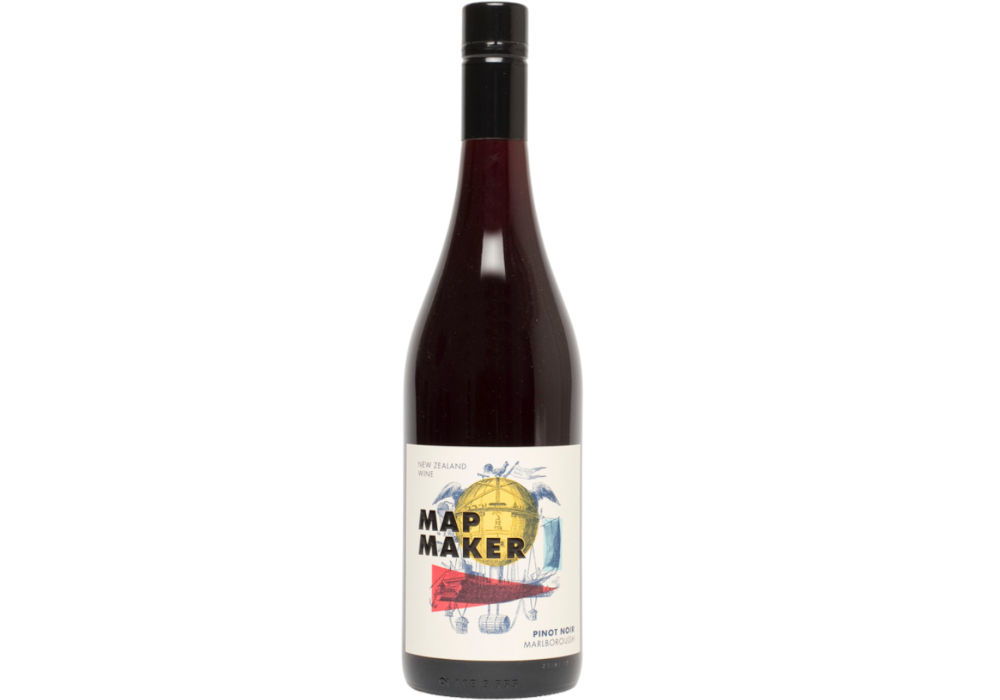
Swap for: New Zealand pinot noir
Pinot noirs from Burgundy are some of the most sought-after wines in the world, celebrated for their complexity and ability to transmit terroir.
Prices have risen to match: you could easily pay triple what you would have done 20 years ago for a good red Burgundy.
But in the past decade or so New Zealand has burst onto the scene as a credible rival for top-notch pinot noir, especially those from cool but sunny regions like Marlborough, Central Otago, and Martinborough.
Big diurnal temperature variation (the gap between day and night temperatures) helps to preserve acidity and aroma complexity, which pinot needs to stay elegant.
This one, from artisan merchant Wine at Home, has a very ‘Old World’ feel, with complex aromas of ripe cherry, violets, pepper and dried herbs. It’s delicate but in no way a push-over.
wineathome.org
Provence rosé
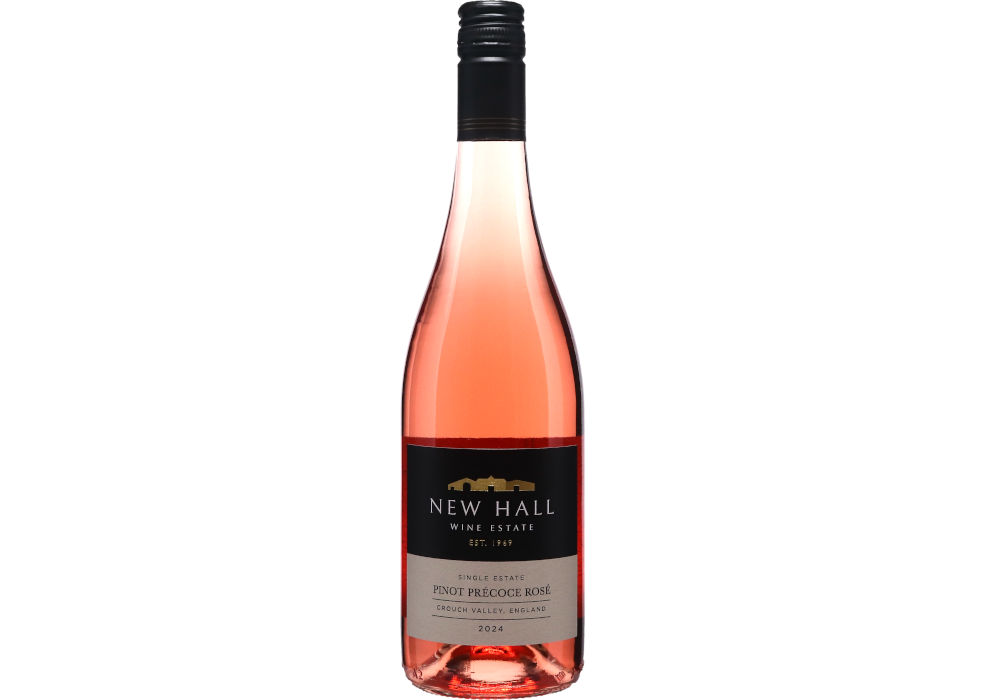
Swap for: Essex rosé
Provence is famously one of the most glamourous places in the world and Essex is well…Essex, known as the home of fake tans and glittery nether regions.
So it might surprise you to know that this English county is now producing some of the finest cool climate wines in the world.
Essex’s Crouch Valley is one of the warmest and driest areas in Britain. This warmth means grapes can achieve full ripeness. This pinot précoce rosé (made from an early-ripening cousin of pinot noir) has all that refreshing acidity and elegant red fruit notes you’d want from a top Provence rosé. It also has a lovely layer of white flower and rosewater aromas and, at just 11.5%, is a perfect summer sipper.
It comes from New Hall winery in the Crouch Valley and is available via The Wine Society.
thewinesociety.com
Alsace riesling
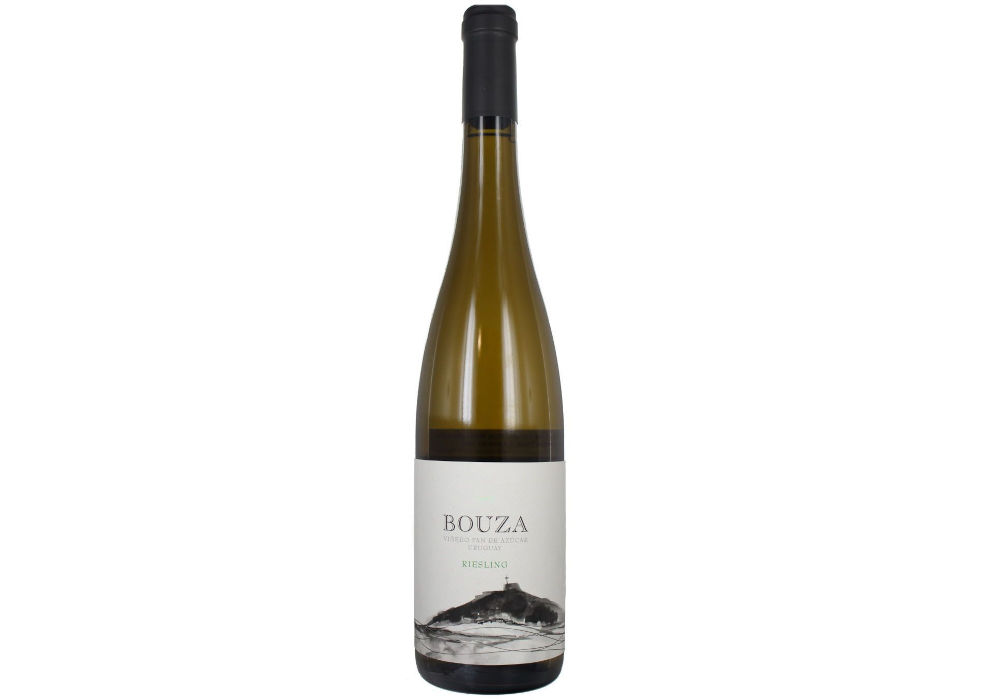
Swap for: Uruguayan riesling
Riesling is often called ‘the queen of grapes’ and Alsace in France has long been its royal keep. But Uruguay, one of South America’s most underrated wine regions, is now pumping out outstanding rieslings that could rival top French producers.
The country has a cooler, wetter climate than Argentina or Chile – closer in style to France or coastal Italy than to the Andes.
This Uruguayan riesling, from Jeroboams, has that intoxicating petrol minerality you expect from Alsace with a glorious punch of racy acidity and orchard fruit. There’s a lovely weight to it that means the wine lingers a while in your mouth.
jeroboams.co.uk
Bordeaux red
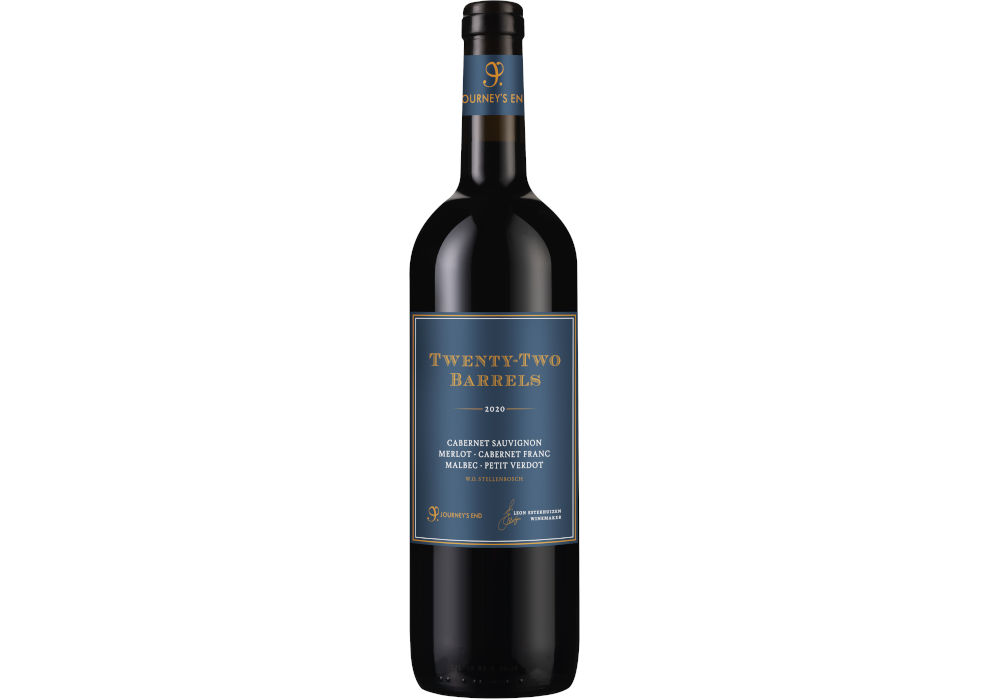
Swap for: South African red
The quality of South African wines has been soaring, and the bold, increasingly complex, reds have been challenging Bordeaux bottles at top wine competitions.
Both Bordeaux and South Africa are famous for their red blends. The region of South Africa to go for will depend on whether you prefer the Left Bank (structured and muscular) or Right Bank (softer, plusher) style of Bordeaux wine.
For Left Bank style, cabernet sauvignon-led reds, head to Stellenbosch. This red blend from Laithwaites typifies the region: predominantly cabernet (but with some merlot, malbec and petit verdot too), it’s well-structured and balanced, with firm tannins, fresh acidity, a zip of spice, and juicy black fruit.
laithwaites.co.uk
Condrieu
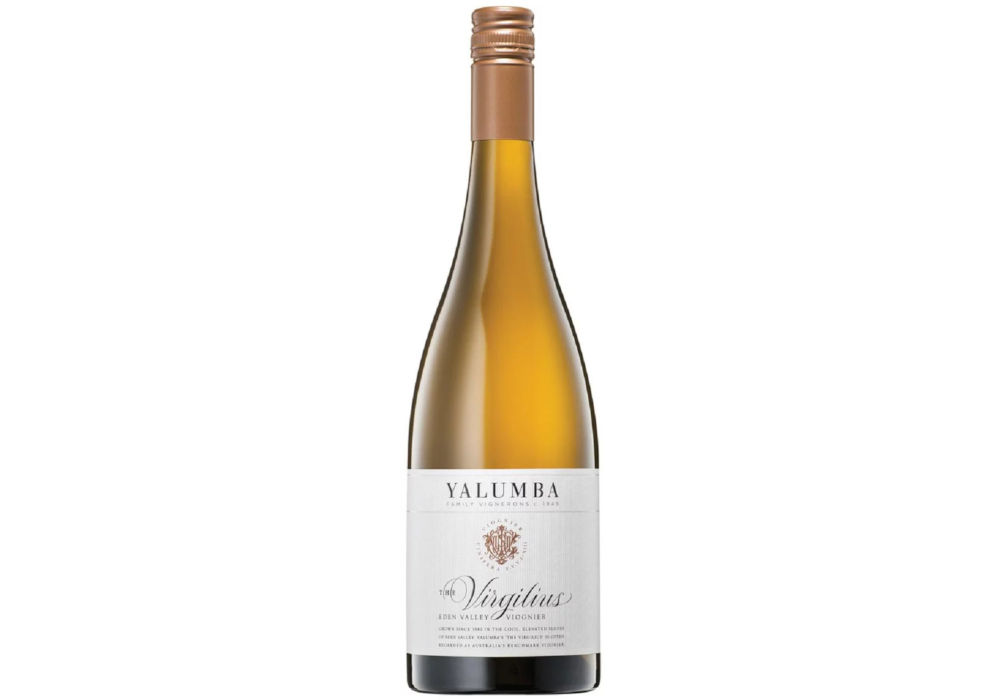
Swap for: Australian viognier
The great white wine of the northern Rhône, Condrieu bursts with a rich bouquet of apricots, honey, and wildflowers that is so typical of its signature grape, viognier.
Swap the French version for this stunning alternative from Eden Valley. The climate here is warm enough that viognier can develop its classic ripe stone fruit and honeysuckle flavours and yet cool enough to retain freshness. This one, from producer Yalumba and available via Ocado, is considered the benchmark for quality Australian viognier.
ocado.com
White Burgundy
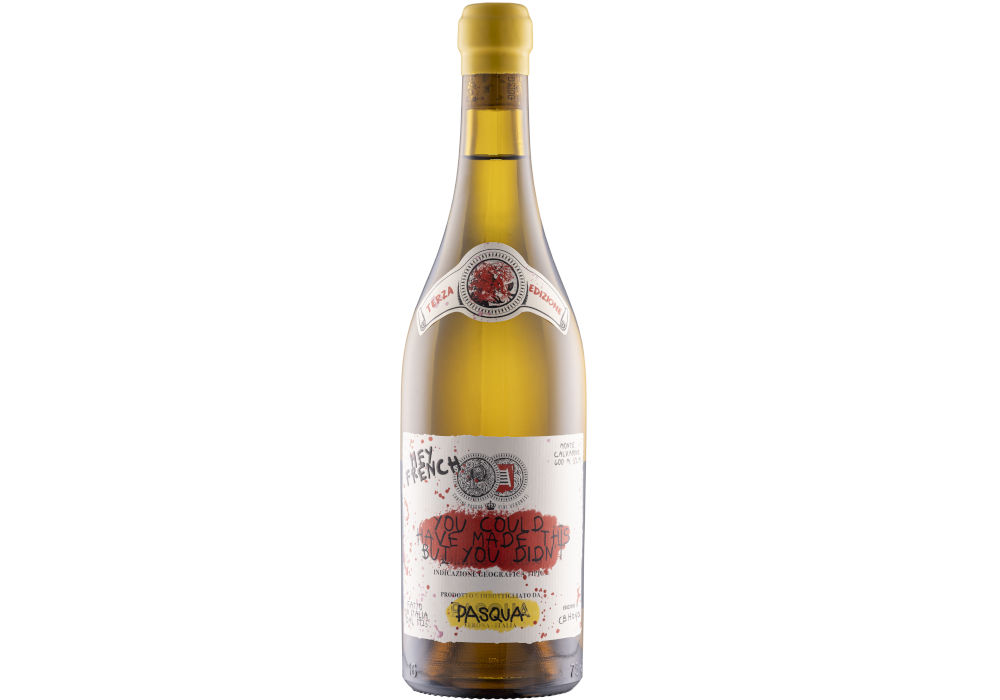
Swap for: White wines of Veneto
Lovers of Burgundian Chardonnay will find a familiar elegance in the white wines of Veneto, northern Italy. The wines from Soave and the hills east of Verona in particular deliver that same clean, mineral-driven sophistication but often with a distinctive volcanic edge.
This white wine from the region openly lays down the gauntlet to France with its tongue-in-cheek name: ‘Hey French – You Could Have Made This But You Didn’t.’
It’s a blend of garganega, pinot blanc and sauvignon blanc. Winemaker Pasqua took only those grapes from the best local vineyards and only from the five best vintages of the decade, 2016 to 2020.
It’s a wine that will cellar well but is already showing great complexity, with notes of chamomile, almonds, white pepper and fresh lemon.
majestic.co.uk
Châteauneuf-du-Pape
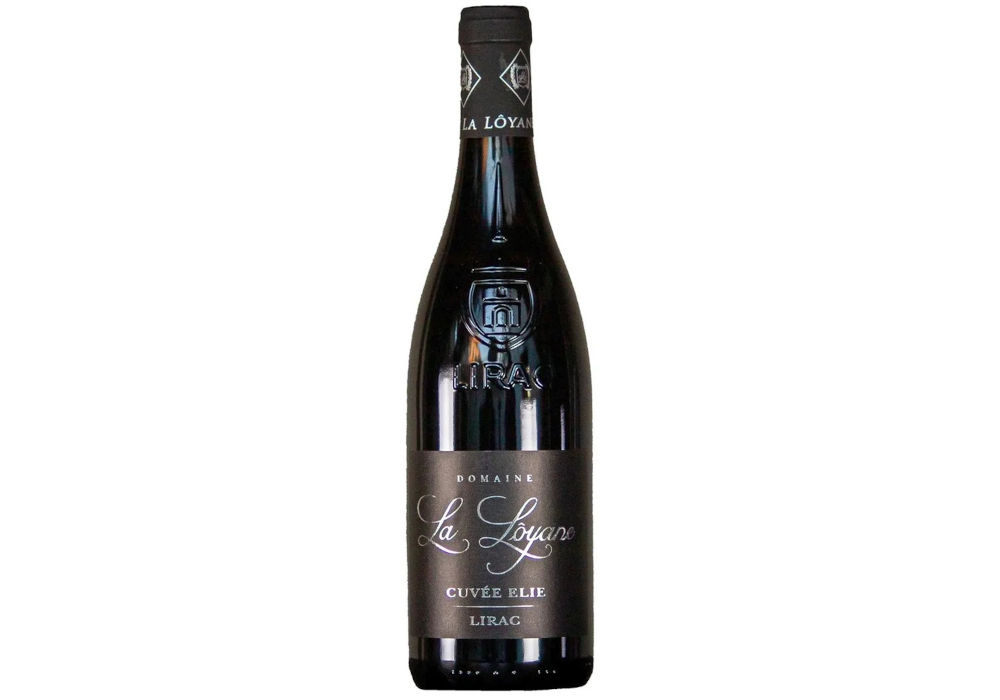
Swap for: Lirac
Sometimes you don’t have to look far for an alternative to your favourite wines. In the case of Châteauneuf-du-Pape, you only need to head around 20km west to find the under-appreciated gem of Lirac.
Vignerons are using the same grapes (among the reds, Grenache, Syrah, Mourvèdre and Cinsault dominate) and making wines in the same climate in similar styles – although, in Lirac, the wines are generally slightly lighter, fresher and more approachable when young.
This one, from Domaine La Lôyane, is powerful with chewy tannins and notes of cedar, vanilla and cherry.
cambridgewine.com
Loire Valley chenin blanc
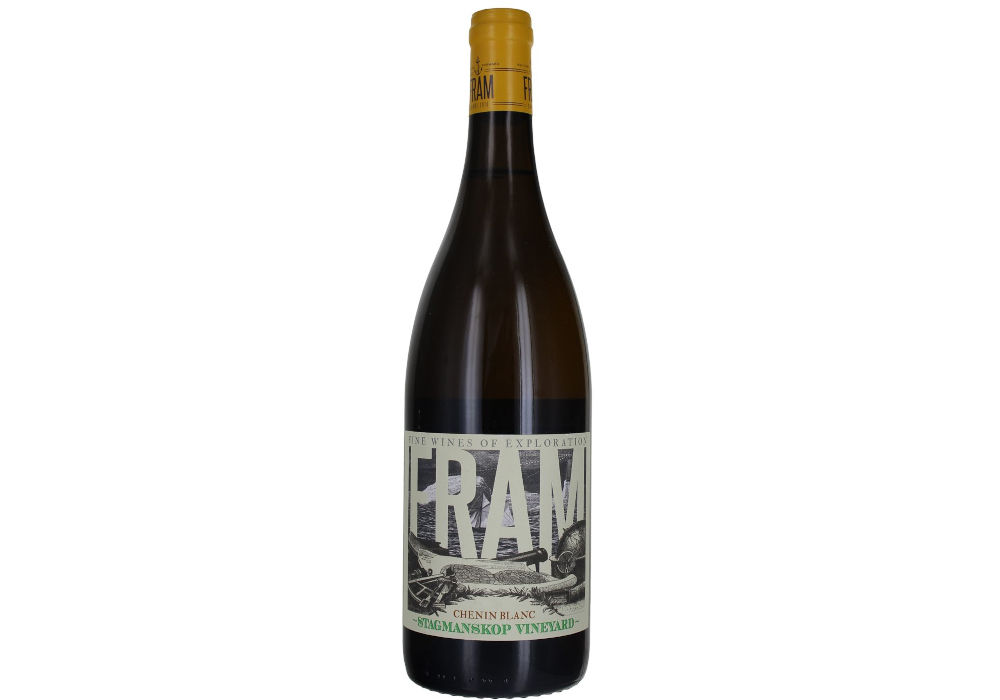
Swap for: South African chenin blanc
For decades, most of South Africa’s chenin blanc went into making high-volume table wines. But, happily, since the 1990s, a new generation of winemakers (inspired by the Loire) has revived old vines and focused on expressing their unique terroir. Their hard work means now chenin is South Africa’s flagship white.
Jeroboams currently has a stunning example of modern South African chenin, which manages to combine racy acidity with mouth-wateringly juicy fruit aromas of white peach and a luscious lick of oak.
For lovers of rich, textural whites – this is the one.
jeroboams.co.uk
Champagne
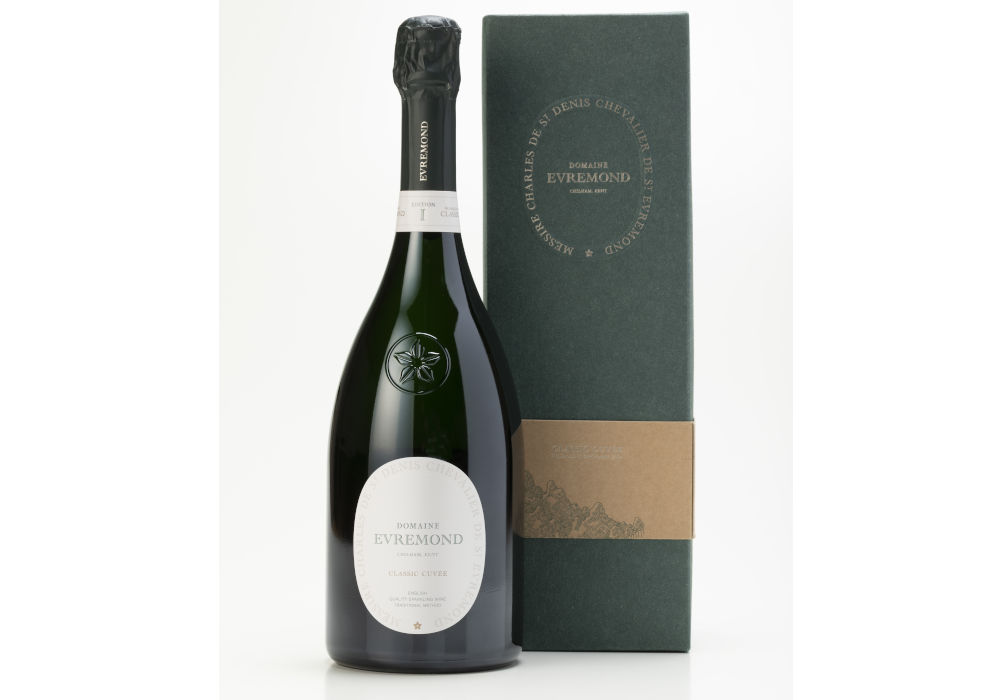
Swap for: English sparkling
If you need any more proof that the south of England is the new Champagne, look no further than Domaine Evremond. This vineyard, in quaintest Kent, is the English estate of champagne house Taittinger and benefits from sharing their cellar master, so you can expect the same elegance, freshness and finesse.
However, the proximity of the sea at Domaine Evremond adds a wonderful flinty minerality you don’t usually see in Taittinger.
The Classic Cuvée has all those wonderfully moorish brioche notes you want from Champagne (thanks to three years on the lees) and velvety creaminess that lingers in the mouth.
domaineevremond.com
Dining and Cooking