
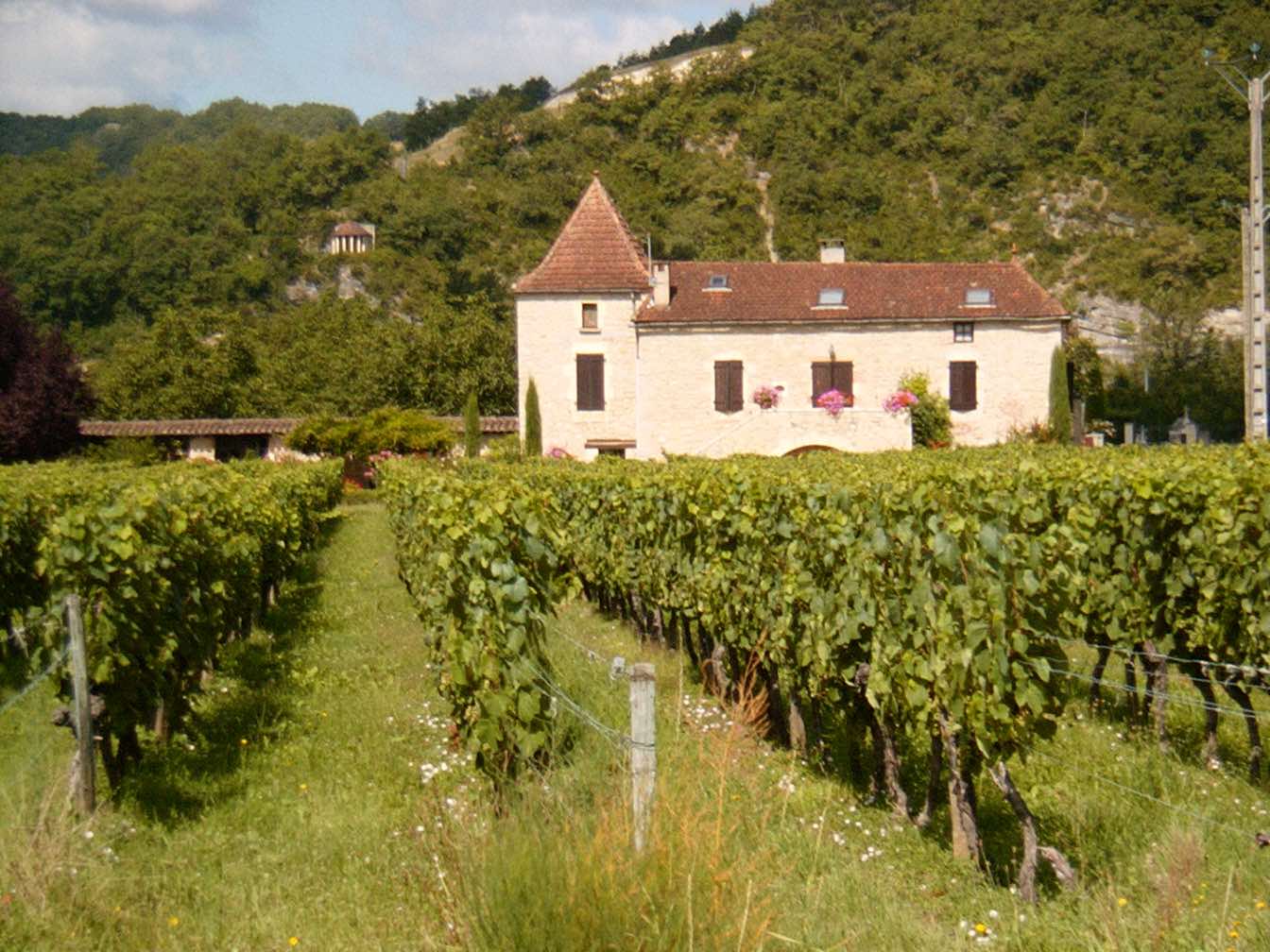
224This week in Brussels, after intensive talks, negotiators from the European Parliament and the Council of the European Union struck a provisional “wine package” deal to give producers fresh tools to withstand market upheaval — and to seize new opportunities.
Under the new deal, winegrowers across the EU will benefit from increased flexibility and financial support. In the event of devastating weather, pest-outbreaks or plant diseases, producers will be granted an extra year to replant affected vines.
Meanwhile, EU funds will now be permitted to cover “grubbing up” — the deliberate removal of excess or unproductive vines — and the payment ceiling for wine distillation and green harvesting has been capped at 25 per cent of available national funds. These measures aim to help balance supply and demand, safeguarding growers from overproduction and financial strain.
Responding to changing consumer preferences, the agreement brings clarity and uniformity to labelling of reduced- and zero-alcohol wines. Wines with a strength of no more than 0.05 per cent may now be labelled “alcohol-free” with a “0.0%” designation; those with at least 0.5 per cent — but at least 30 per cent weaker than their standard counterparts — should carry the label “alcohol reduced.”
This harmonisation stands to benefit producers keen to explore innovative products, and helps consumers navigate shelves with greater transparency. Simplified labelling should also ease cross-border trade for EU producers, reducing administrative burdens.
A significant component of the package is the expanded scope for climate-related support. Member states may now co-finance — in some cases up to 80 per cent of — investments aimed at climate change mitigation or adaptation. In doing so, the EU aims to support wine regions vulnerable to erratic weather, drought or other environmental threats, helping them maintain productivity without resorting to overexploitation or land abandonment.
Moreover, the agreement acknowledges the important role of wine production in sustaining rural livelihoods. The new rules encourage the development of wine tourism and associated rural activities, offering grants to producer organisations that operate under protected designations of origin or geographical indications.
A sector under pressure — and this deal matters more than ever
The timing of this agreement could not be more urgent. As recent reporting from EU Today makes clear, parts of the industry — especially in countries like France — are facing what may well be an existential crisis. According to EU Today, as many as one-fifth of independent winegrowers may be forced to shutter, after some of the worst harvests in seventy years, soaring production costs and plummeting domestic and international demand.
Many winemakers, particularly smaller ones, are described as “bleeding cash” and facing a choice between uprooting vines or abandoning their vineyards altogether. One producer syndicate leader was quoted warning that “if the government doesn’t act … the wine and spirits industry is no longer important.” The crisis threatens not only individual livelihoods but entire rural communities whose economies depend on viticulture.
Against that backdrop, the new EU “wine package” comes not just as a policy update — but as a potential lifeline. By providing tools for restructuring production, supporting climate adaptation, and encouraging tourism and exports, the measures aim to avert a collapse in parts of the sector and preserve Europe’s winemaking heritage.
Recognising the growing importance of export markets, the package also provides better EU funding for promotional campaigns abroad. For smaller enterprises, the EU may cover up to 60 per cent of the cost of marketing, advertising, events or exhibitions for up to three years — renewable twice, extending support to nine years in total. This move is expected to help European wines gain a stronger foothold in non-EU markets, bolstering export opportunities and curbing reliance on domestic consumption.
As Esther Herranz García MEP put it: “We are providing the sector with tools to tackle the profound crisis it is experiencing… offering higher co-financing for climate adaptation … and improving conditions for export promotion and wine tourism.”
The provisional agreement still requires formal ratification by both Parliament and Council before it becomes law — but its broad outline shows a thoughtful balance between preserving the rich heritage of Europe’s vineyards and adapting to modern economic realities.
In a sector steeped in tradition, these reforms bring much-needed pragmatism and flexibility. For growers, they provide a safety net in times of climatic and economic uncertainty. For consumers, they bring clarity and choice. And for the European wine sector at large, they represent a renewed commitment to sustainability, innovation and global competitiveness.
As Europe’s vineyards look toward a new era, the 2025 “wine package” may well prove the vintage that preserves tradition — while ensuring the region’s wines continue to flourish on the world stage.
Main Image: By John – originally posted to Flickr as Cahors Wine Chateaux, CC BY-SA 2.0, https://commons.wikimedia.org/w/index.php?curid=4145832
French Wine Industry Faces Existential Crisis as Ministers Prepare for Emergency Talks
________________________________________________________________________________________________________________________
Post Views: 1,116
Dining and Cooking