
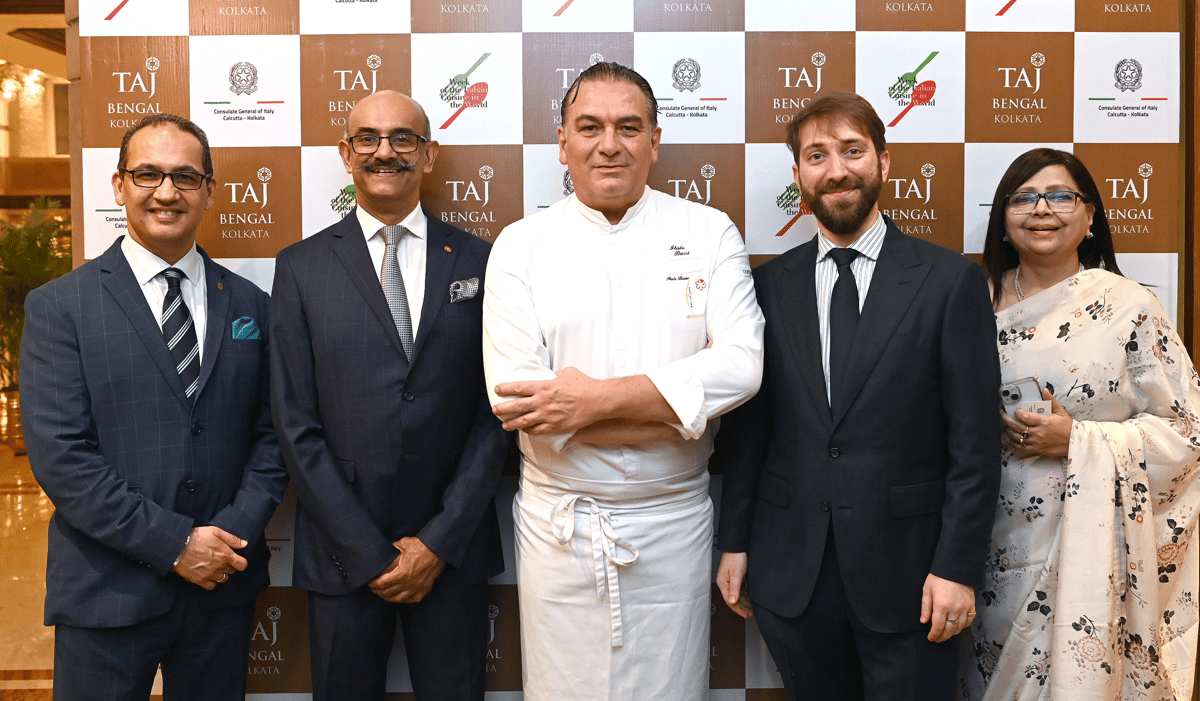
In celebration of Italian Cuisine Week, the Italian consulate in Calcutta and Taj Bengal welcomed Michelin-starred chef Italo Bassi, a globally renowned culinary master whose journey spans Florence, Tokyo, Sardinia, and Corsica. At the exclusive Chambers Rendezvous, chef Bassi presented his signature philosophy of “Confusion”— a refined interplay between Italian culinary traditions and local influences. In a conversation with t2, he speaks about heritage, innovation, sustainability, and the cross-cultural dialogue between Italy and India.
You’ve cooked across continents. What does presenting a Michelin-rooted Italian dining experience in Calcutta mean to you?
I want to present authentic Italian cuisine to both Italian and non-Italian guests in Calcutta. I hope they experience something true to Italy — our passion, our techniques, and the beauty of Italian taste — while appreciating how these flavours connect naturally with select Indian ingredients, spices, and local products.
Both Italy and India have strong culinary identities. What similarities or differences do you observe?
Like Europe, India has a deep, ancient culinary tradition. Every region has its own history, its own flavours, its own culture of food. I’ve only visited Delhi and now Calcutta, and I hope to see more, perhaps Bangalore. India is very big, and each part has its own identity, just like regions of Italy.
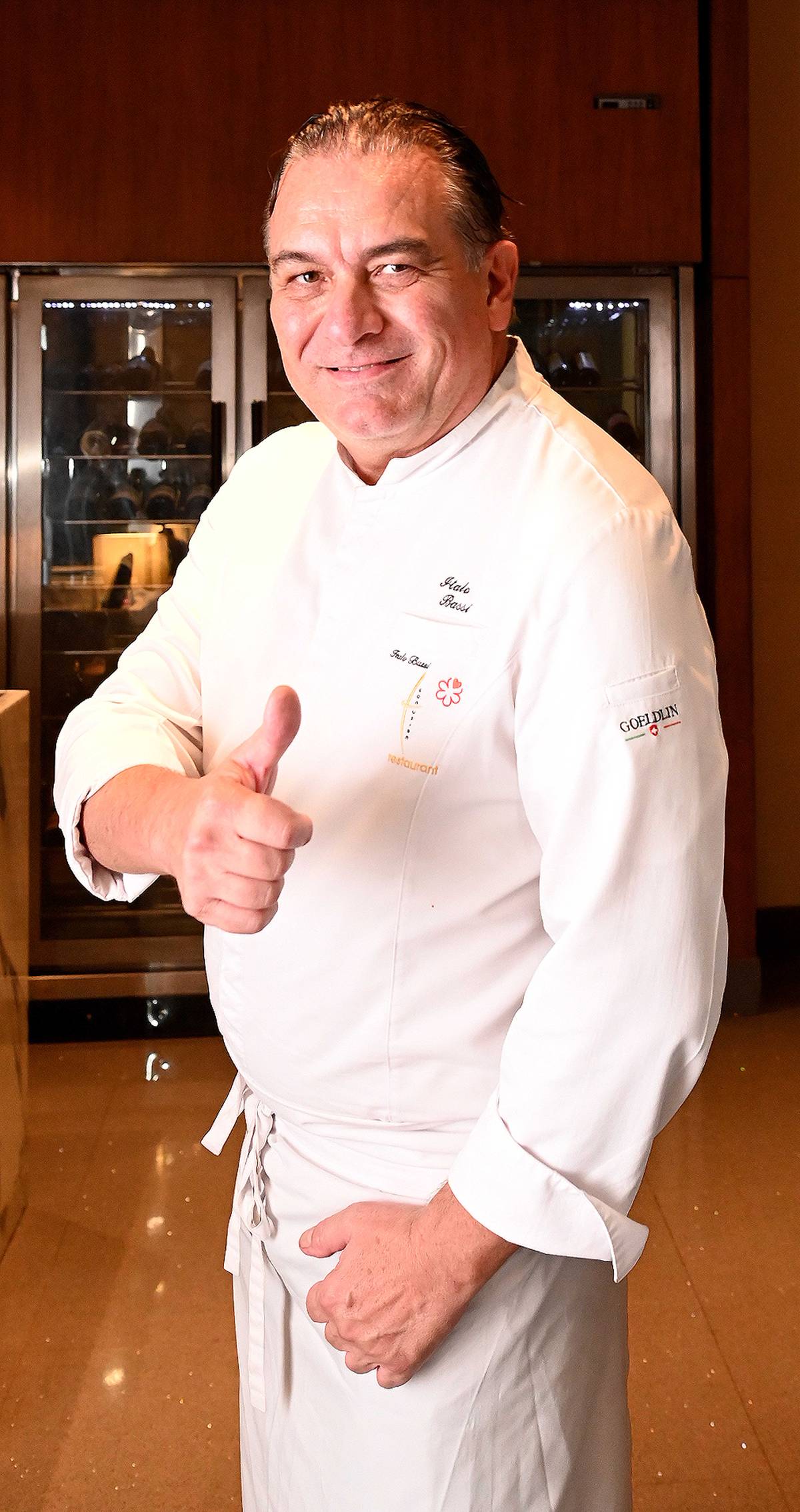 Chef Italo Bassi
What was your guiding thought while curating the menu for this special dinner?
My culinary philosophy is what I call “Confusion”. It means combining excellent local ingredients with elements from abroad — here, mixing Italian cuisine with Indian spices, products, and aromas — while staying rooted in Italian techniques. This balance defines my approach.
How do you stay true to Italian heritage while adding foreign influences?
This week, we are here to present real Italian taste for a global culinary celebration. Even while blending influences, it is important to offer guests an experience that reflects the authentic essence of Italian food.
Your culinary journey includes several Michelin stars. How has your craft evolved over the years?
I was fortunate to grow up surrounded by beautiful ingredients in my family home, my parents and grandparents taught me the value of quality. I then went to culinary school near my hometown and trained in a hotel during summers. At 19, I joined Enoteca Pinchiorri in Florence, where I stayed for 27 years, becoming head chef and earning three Michelin stars. Later, I opened restaurants in Tokyo, then in Verona, Porto Cervo, and Corsica. In Sardinia, I earned the first Michelin star in the history of the Emerald Coast, and in Bonifacio, Corsica, I earned the first Michelin star awarded there as well, making me the only Italian chef with Michelin-starred restaurants in both Italy and France.
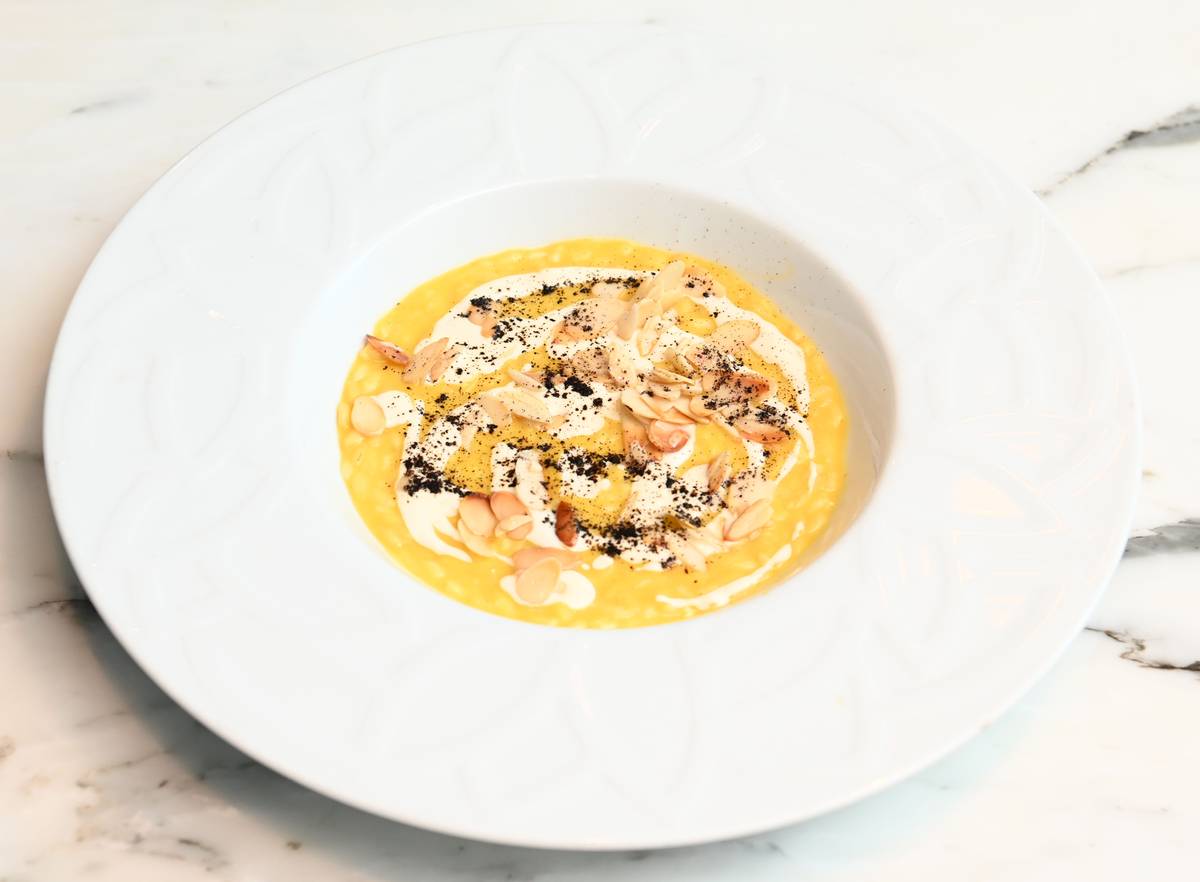
Pumpkin Risotto with Parmigiano Reggiano Fondue
Which dish from tonight’s menu best represents your philosophy?
All of them express my philosophy, but two dishes stand out: The Italian dish — Pumpkin Risotto with Parmigiano-Reggiano purée, toasted almonds, and onion powder; and the “Confusion” dish — Grilled Lettuce Salad with zucchini sauce, green curry, coconut milk, Indian masala spices, and grated ricotta. These show the harmony between tradition and innovation.
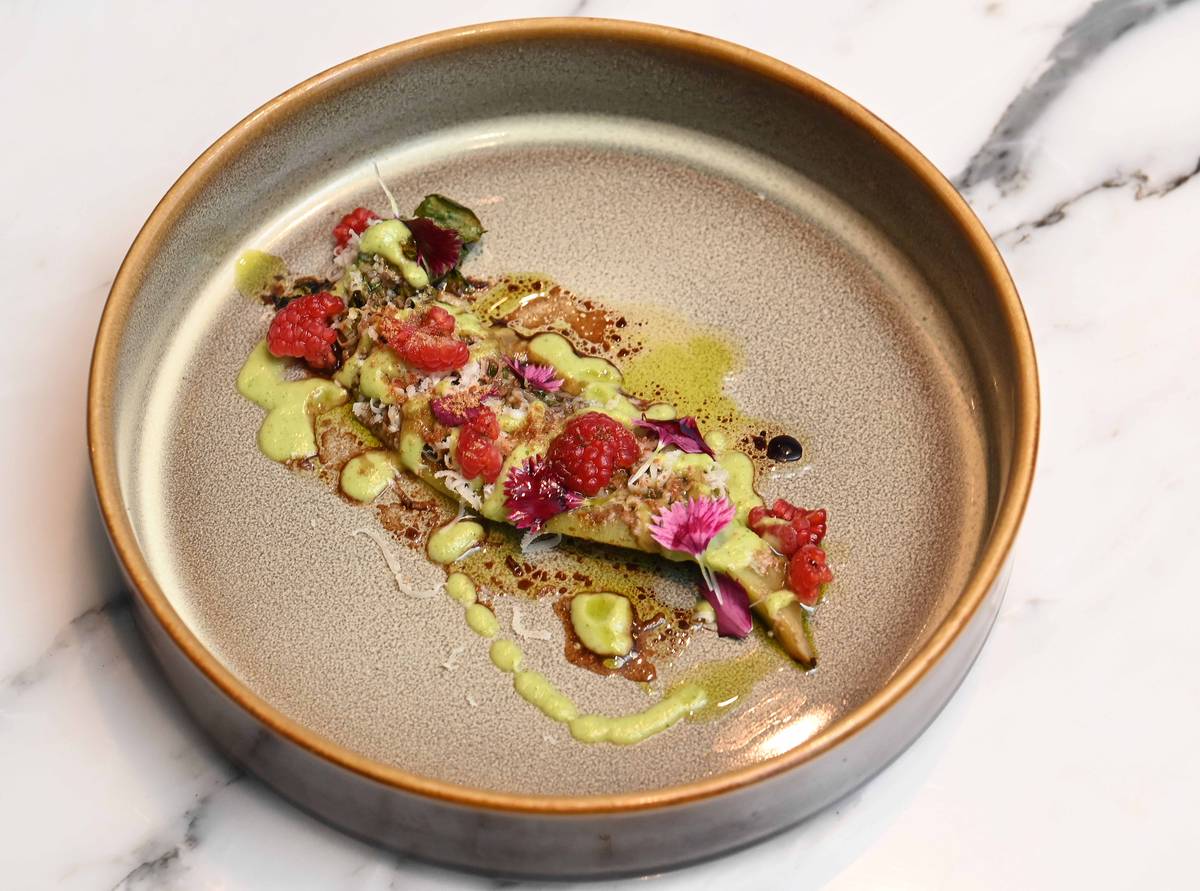
Barbecued Lettuce with zucchini, raspberries, and salted ricotta
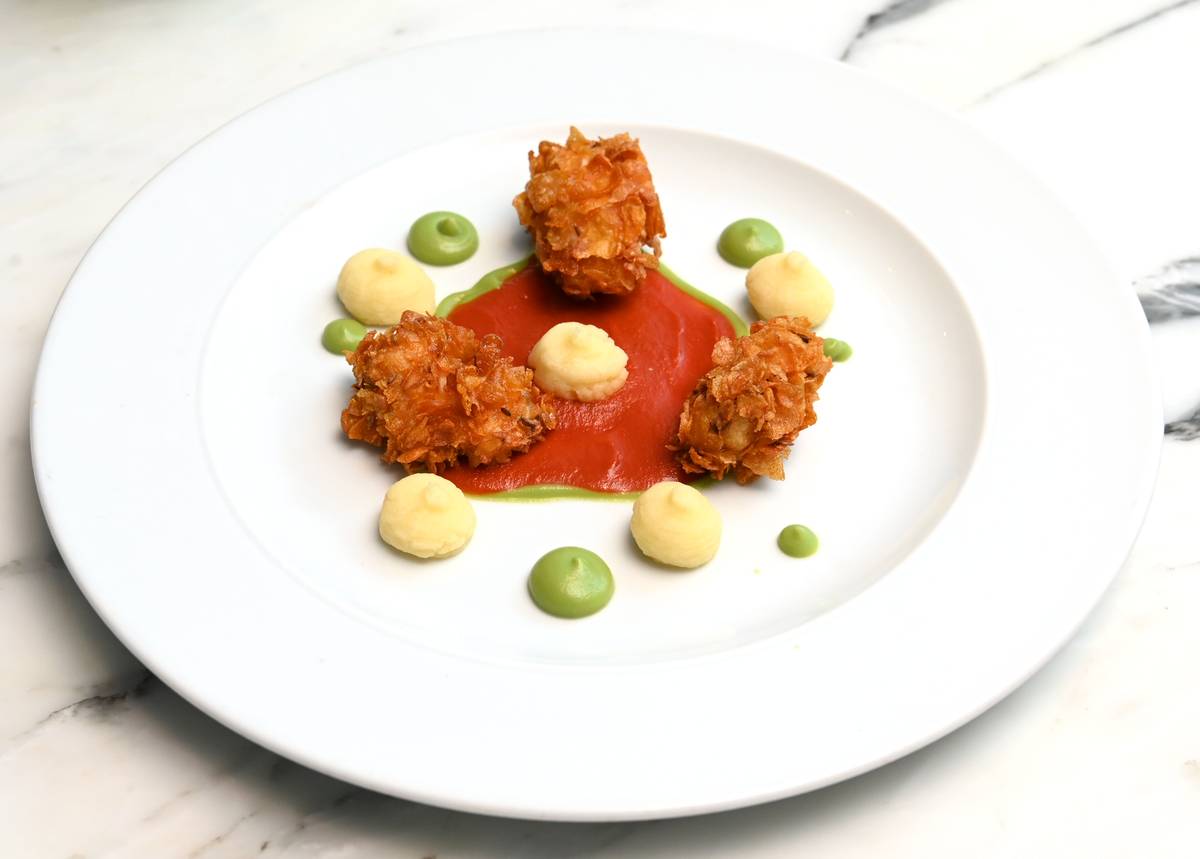
Crunchy Chicken Breast with cumin, tomato and broccoli
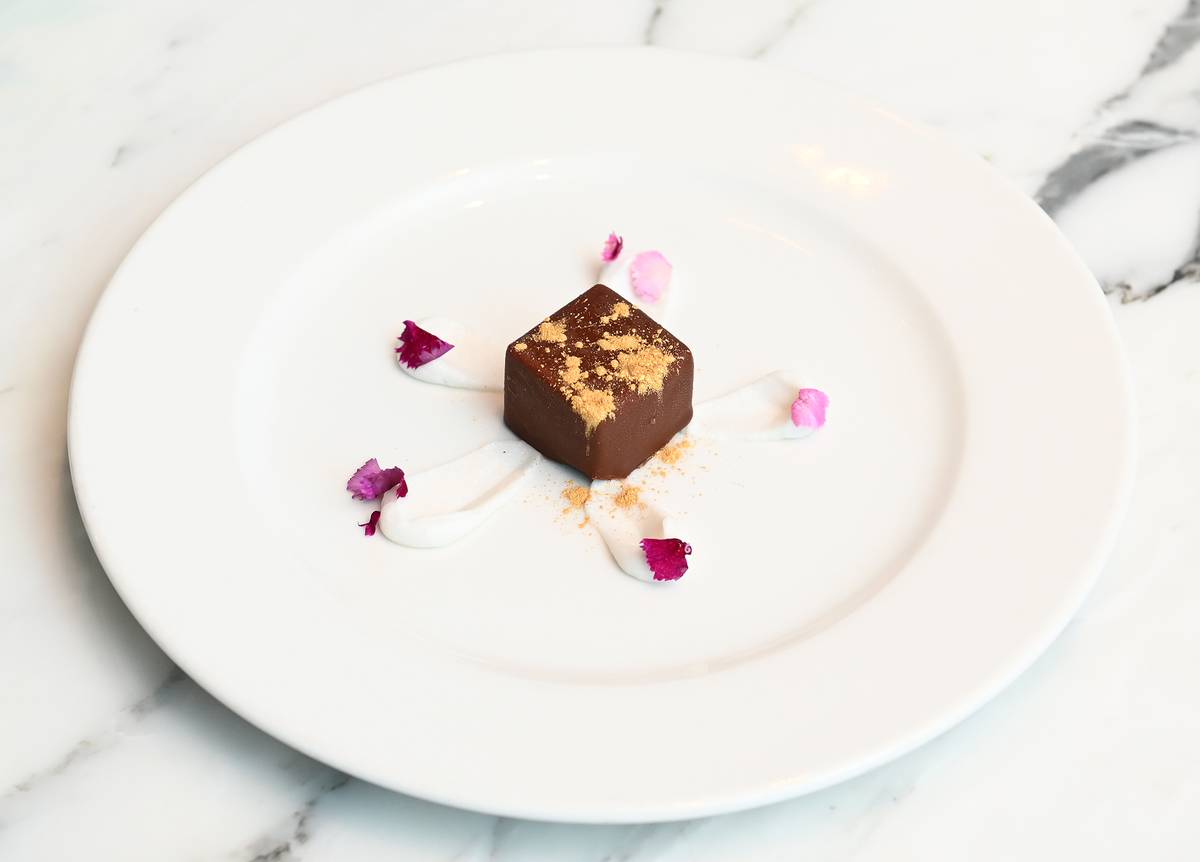
Melted Golden Chocolate and Coconut
Italian fine dining is evolving. How do you think it resonates with the next generation of diners?
Italian food is simple, tasty, and immediate. Guests don’t need to analyse ingredients — it speaks for itself. This honesty and clarity makes Italian cuisine easy to enjoy for all generations.
How do you incorporate sustainability in your culinary approach?
The easiest and most effective way is to use local products. Supporting local producers not only reduces footprint but also strengthens the authenticity of each dish.
What advice would you give young Indian chefs aspiring to reach Michelin-level excellence?
We conducted two masterclasses here, teaching fresh pasta and essentials of technique. The most important ingredient for any great chef is passion and love for what they do. Everything else grows from that foundation.
Quick Fire
Your forever comfort dish?
Food made by my mother, especially Passatelli in Brodo, a soup with parmesan, breadcrumbs, nutmeg, and chicken stock.
A flavour you cannot live without?
Extra virgin olive oil, one of the most essential ingredients in my cooking.
India in one word?
A land of big smells — rich with spices, herbs, and intense aromas everywhere.
Your signature dish?
Double Ravioli — one ravioli with two fillings: Burrata and guinea fowl, dressed with Parmigiano-Reggiano fondue, meat sauce, thyme, and olive oil.
SPOTTED:
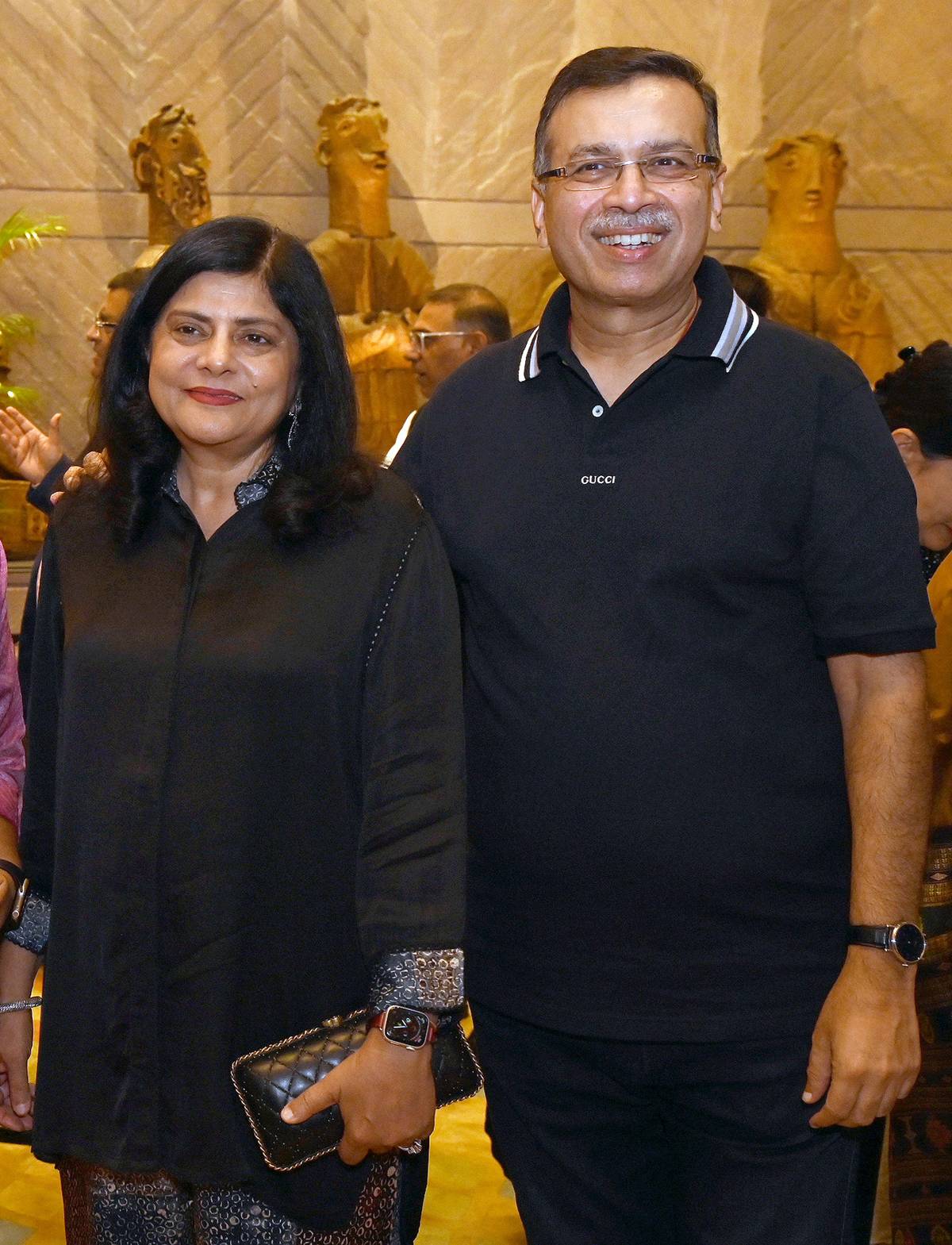
Preeti Goenka and Sanjeev Goenka
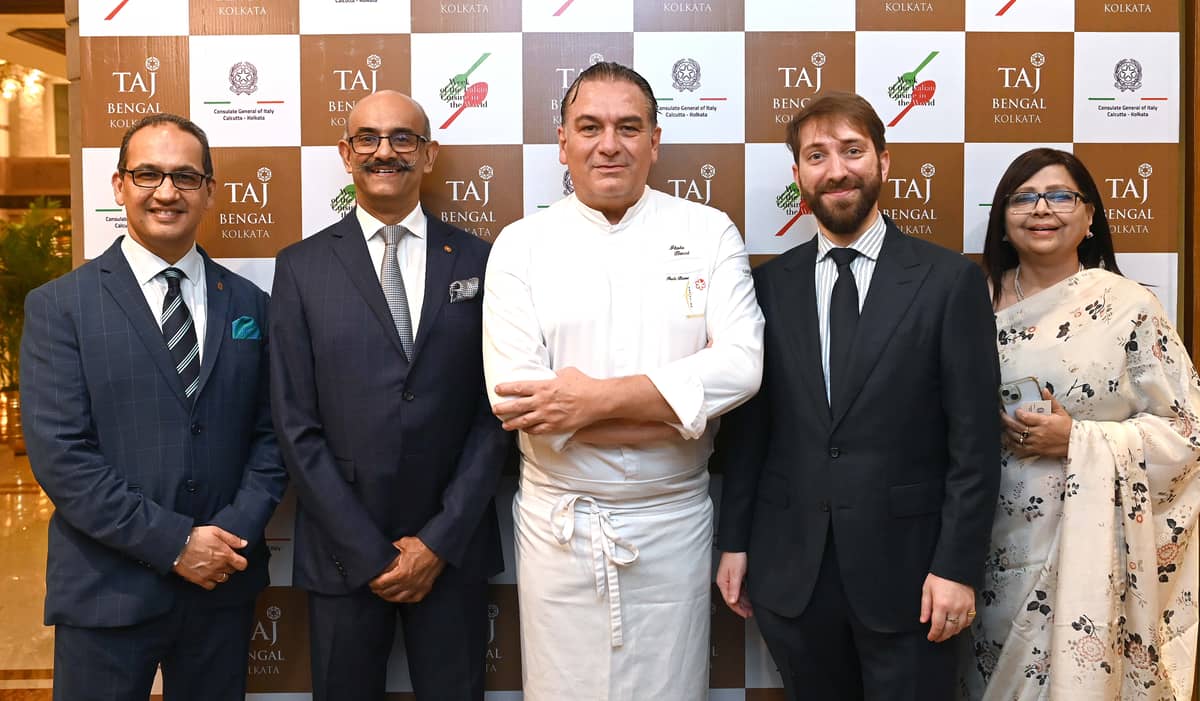
(L-R) Parvinder Singh Bual, general manager of Taj Bengal and area director for West Bengal at IHCL; K. Mohanchandran, senior vice-president, operations, East and North East, IHCL; chef Italo Bassi; Riccardo Dalla Costa, Italian consul general; and Modhurima Sinha, area director of PR for East and North East at IHCL.
“To us, the event is one of our primary feature of our well-established diplomacy around the world. This happens all around the world where Italian consulates and representatives bring Italian wine and food to the forefront, and what better way to celebrate it than bring Chef Bassi in for a fabulous culinary showcase,” said Riccardo Dalla Costa.
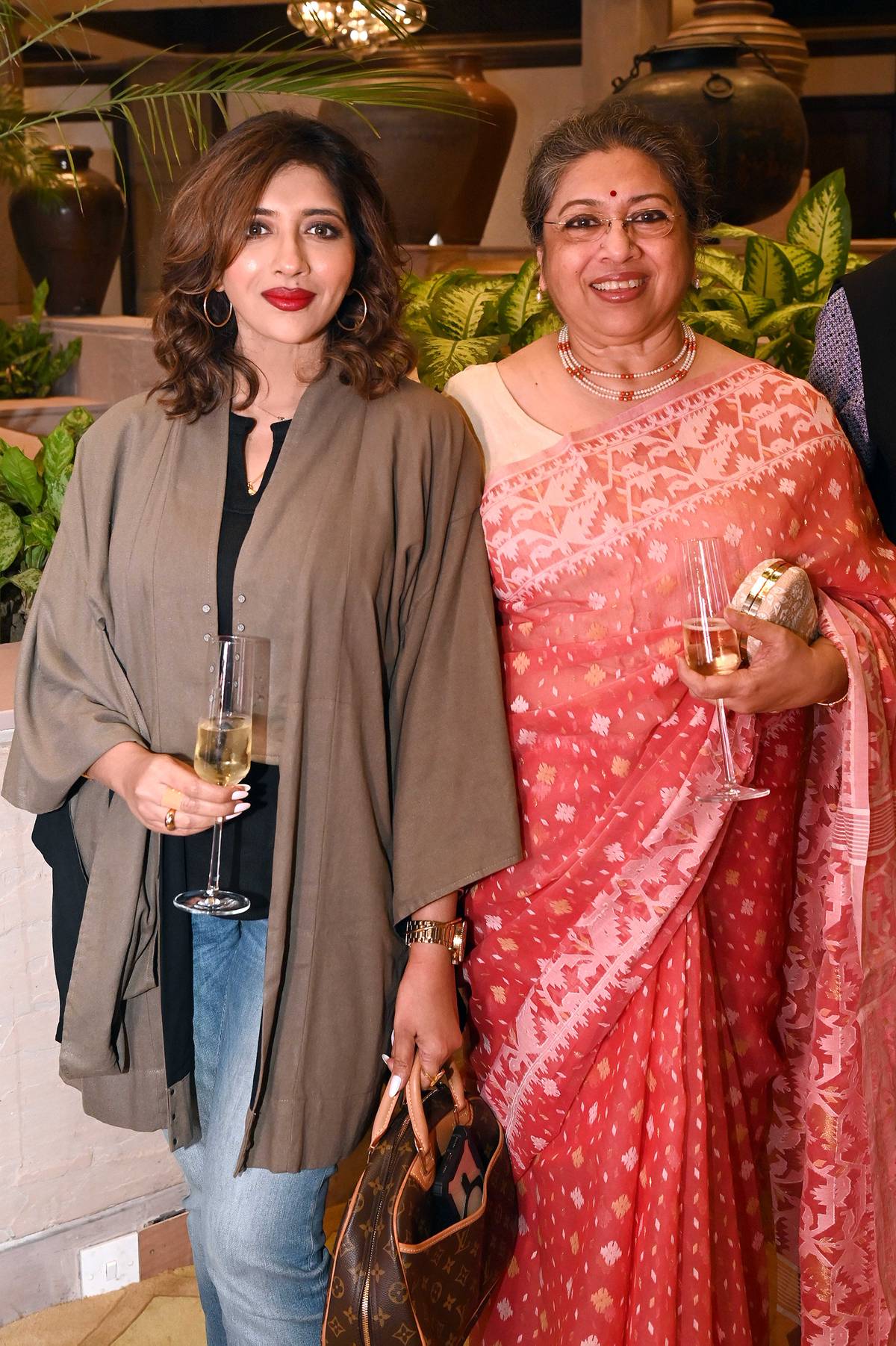
Sreenanda Shankar and Tanusree Shankar
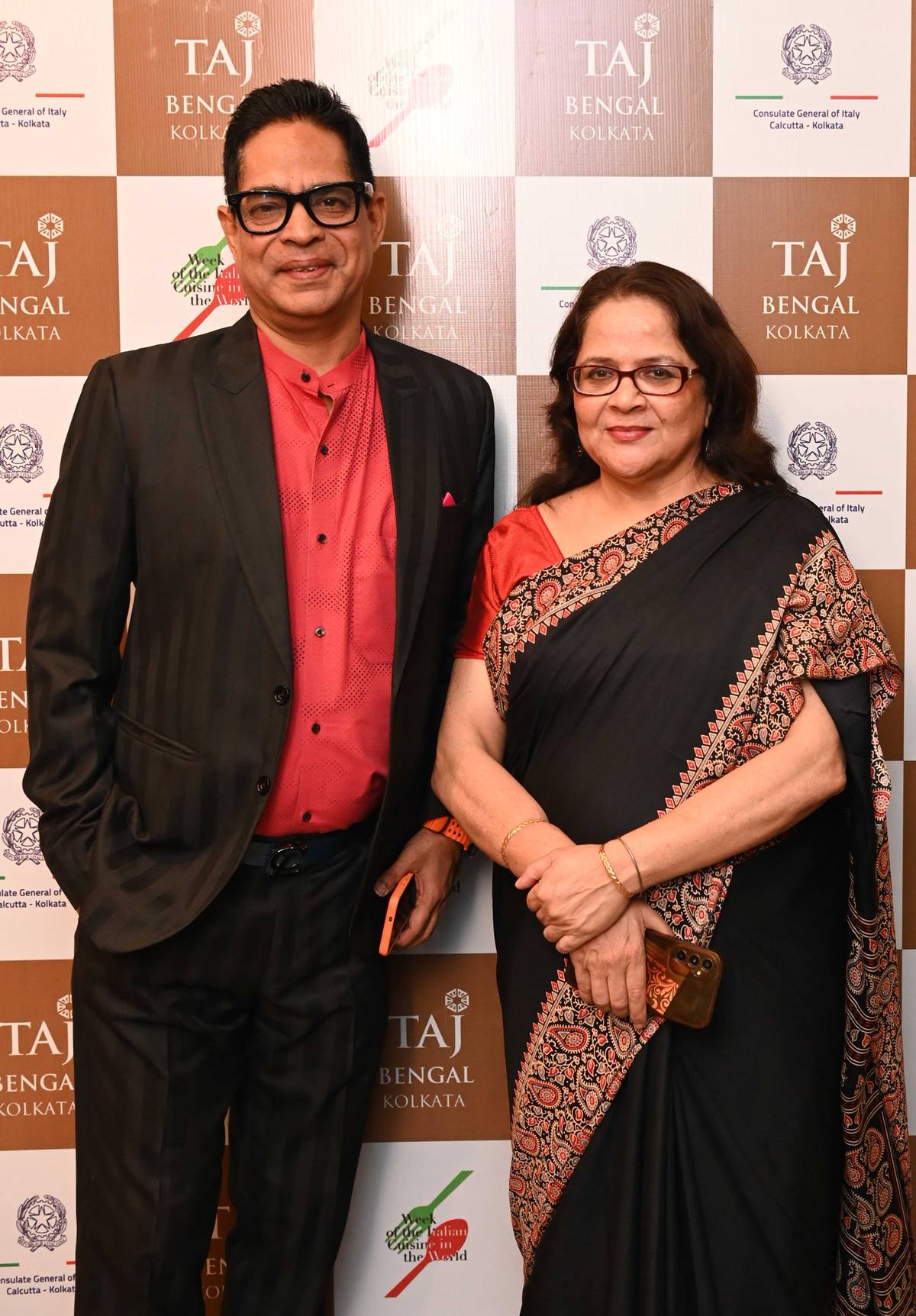
Dr Suborno Bose and Sanjukta Bose
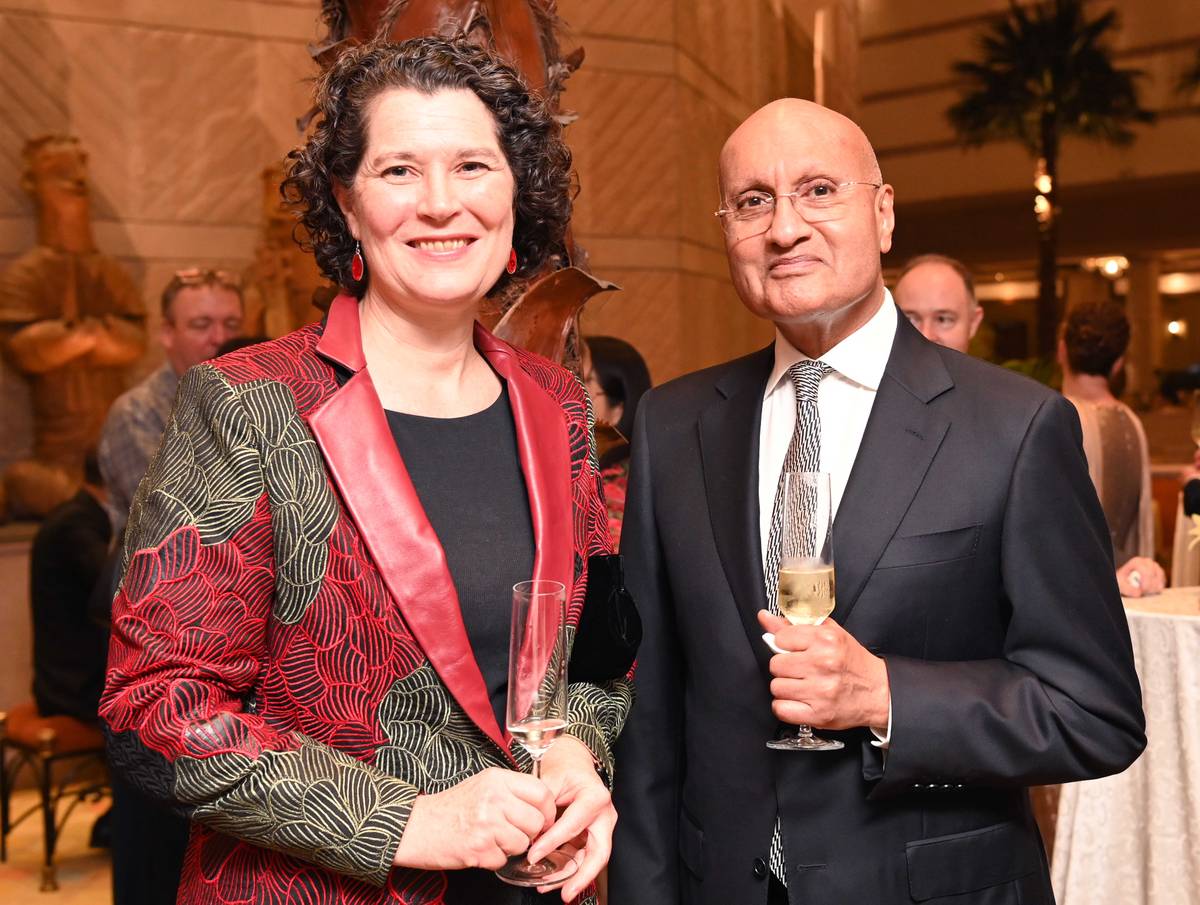
Kathy Giles-Diaz, US consul general, with Nitin Kothari
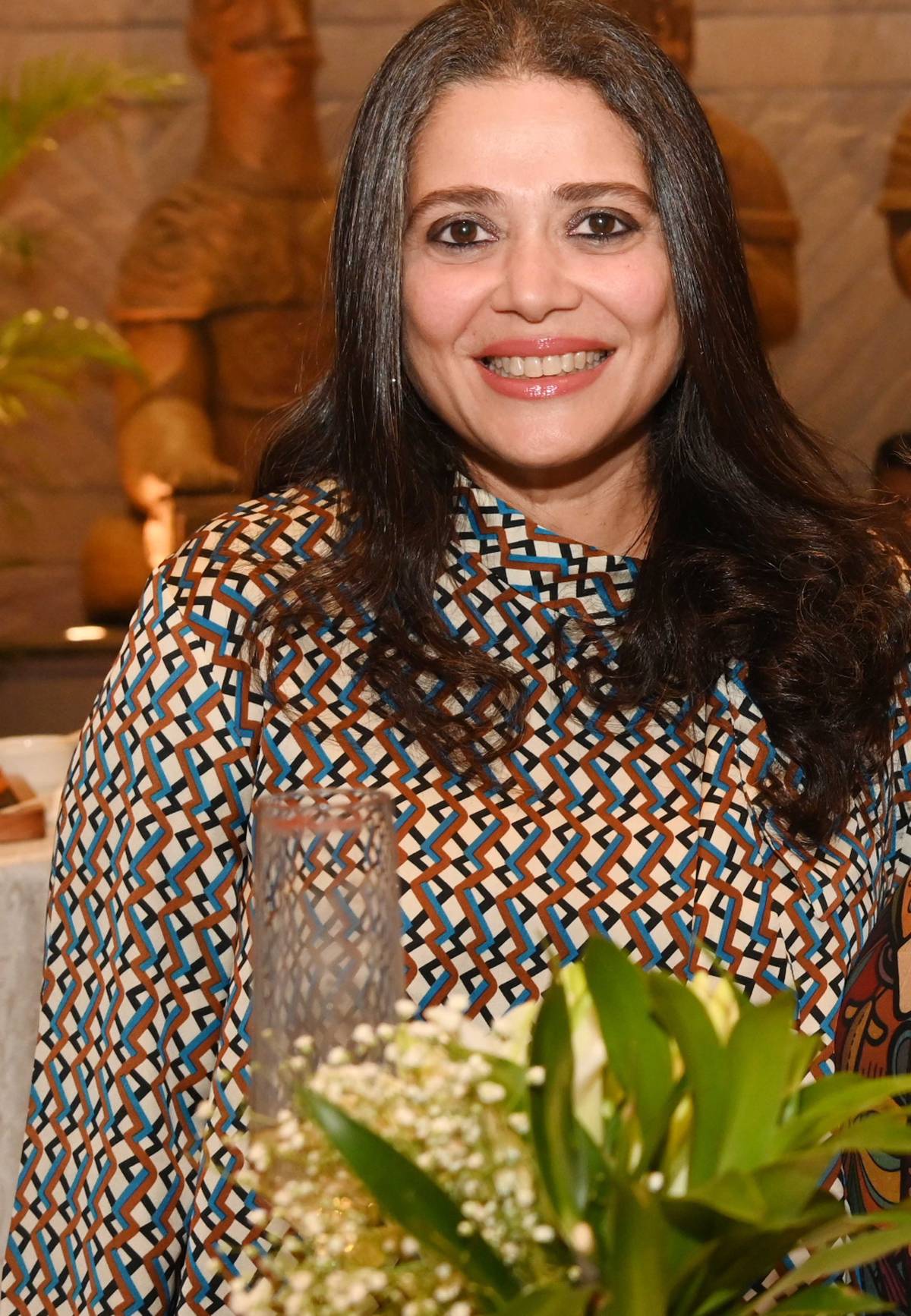 Abhilasha Sethia
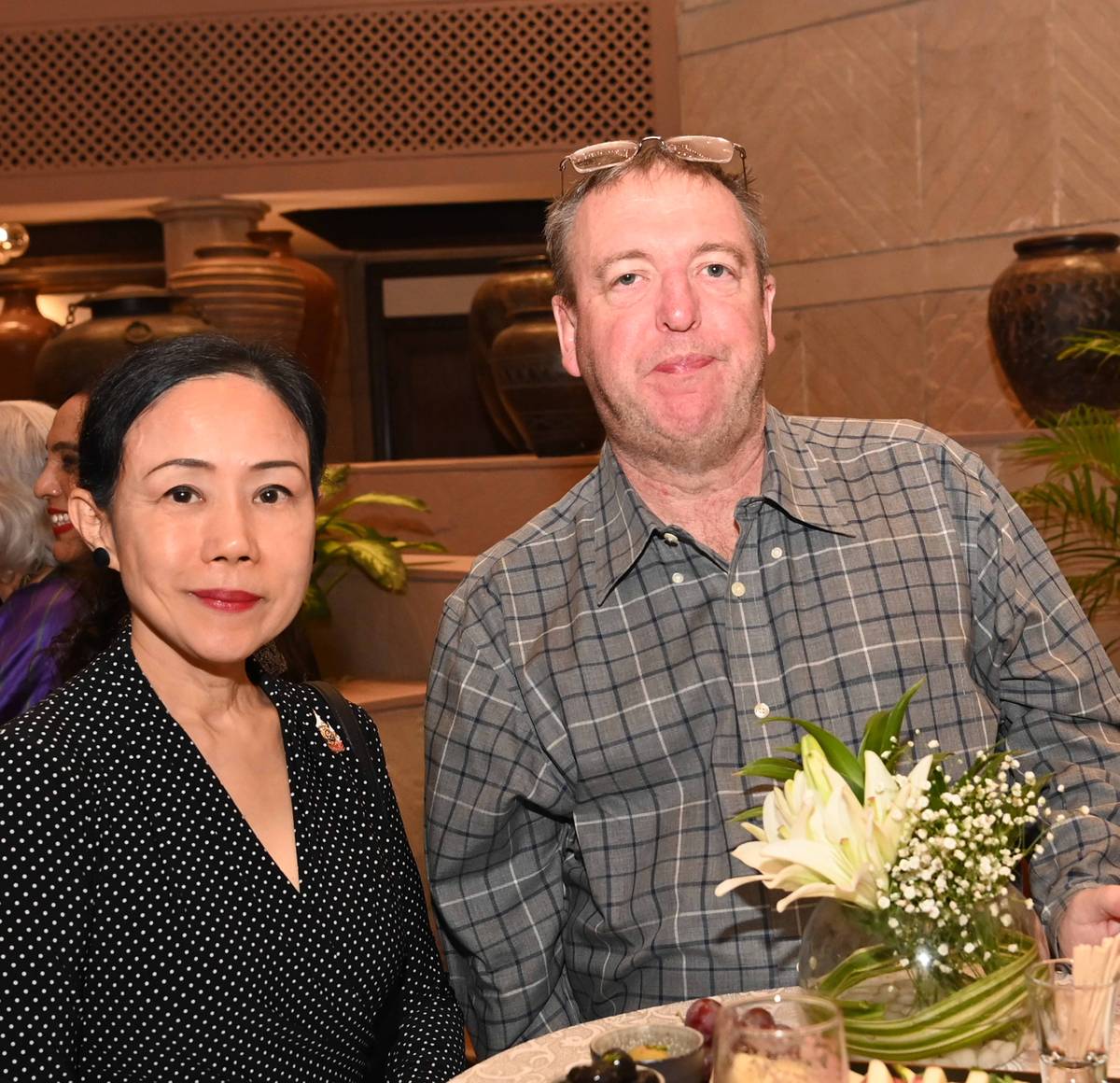
Andrew Fleming, British Deputy High Commissioner in Calcutta, and Siriporn Tantipanyathep, Consul-General of Thailand in Kolkata.
Pictures: B Halder
Dining and Cooking