
The aroma of lasagna drifted through the kitchen at the Skylight Hotel this week, rich and comforting—yet distinctly Ethiopian. In place of traditional wheat pasta, chefs layered the dish with thin sheets made from teff, the ancient grain at the heart of Ethiopian cuisine. The inventive fusion captured the spirit of the 10th Italian Cuisine Week in Ethiopia, a celebration of culinary creativity and cultural crossover.
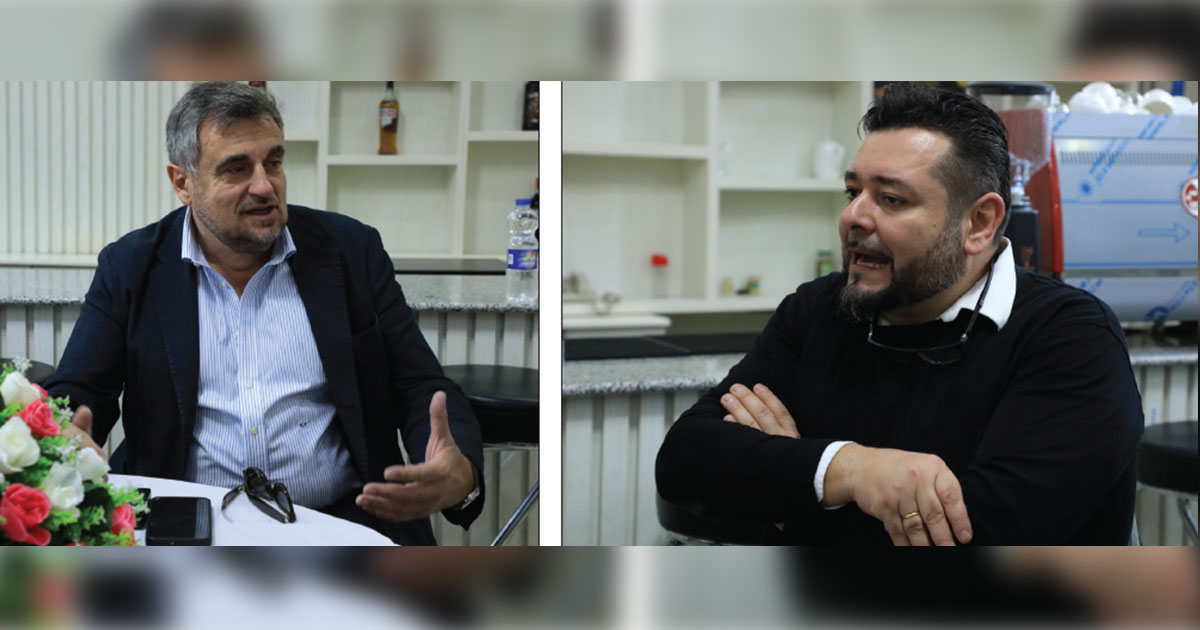
“In the last days we prepared a beautiful lasagna with teff rather than using wheat. It is more sustainable and tastes even better,” said Claudio Pasqualucci, the Italian Trade Agency representative in Addis Ababa. “This is to show how easily our food culture can integrate with local ingredients.”
Italian Cuisine Week is a global initiative staged to promote Italy’s gastronomic heritage, industry, and convivial culture. In Ethiopia, the program unfolded with hands-on training sessions, community events, and curated dining experiences led by visiting chefs—bringing a taste of Italy directly to Ethiopian students, professionals, and the public.
But this year, organizers say the celebration took on greater dimension in a country Italy calls a long-standing partner.
From The Reporter Magazine
Visiting chefs spent the week demonstrating how beloved classics—like tiramisu—could be reimagined using Ethiopia’s world-renowned coffee. The culinary exchange, however, was not only about flavor and technique. Strengthening commercial ties between the two countries remains central.
“We want to have more Italian products in this market,” Pasqualucci noted. “We are working with importers, distributors, and young chefs to help them learn how to use these products, so they become easier to find on shelves here.” The initiative, he said, encompassed “360 degrees of the local hospitality sector.”
The week opened with specialized training for chefs at Ethiopian Airlines and the Skylight Hotel—an acknowledgment that the multiple daily flights linking Addis Ababa and Rome are prime opportunities to introduce Italian cuisine. A gala dinner attended by high-level officials and the newly appointed Italian ambassador showcased what collaboration can look like at the top tier of dining.
From The Reporter Magazine
Yet the emotional highlight unfolded far from the professional kitchens.
“We cooked a charity lunch at an orphanage in Yeka Sub-City,” Pasqualucci said. “There were around 80 children, orphans and children with disabilities. We cooked with them, we enjoyed with them. For me, that was one of the most meaningful moments of the week.”
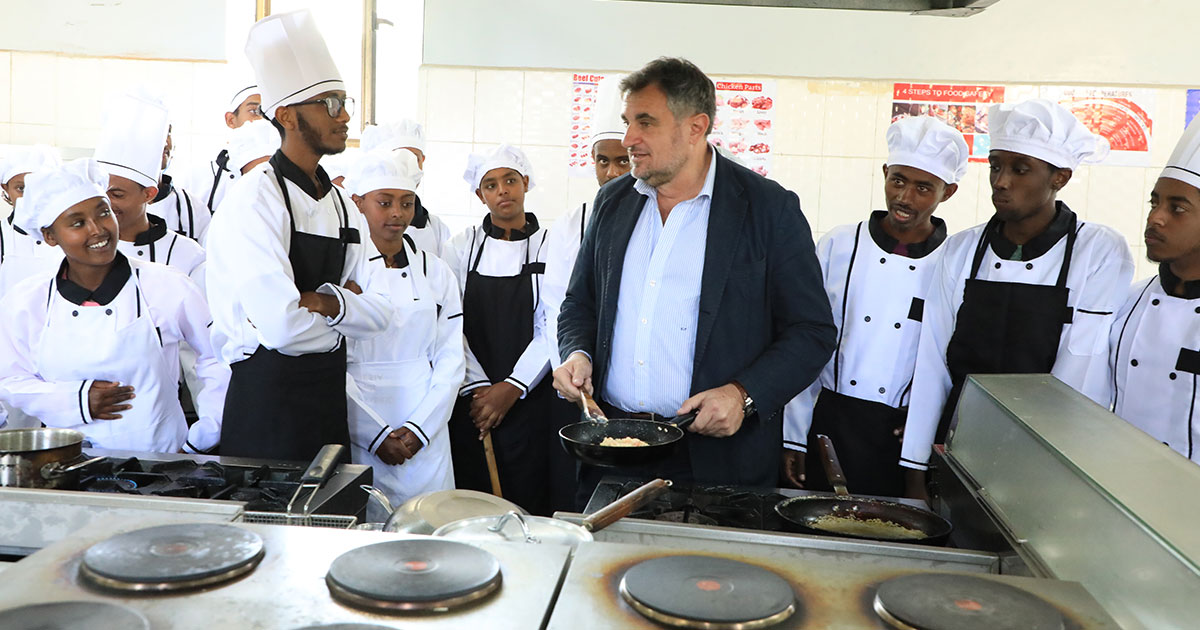
The final day concluded at a hospitality school, where Italian chefs praised the “high level of preparation, commitment, and enthusiasm” among Ethiopian trainees—an encouraging sign for a sector hungry for growth.
Organizers say Italian Cuisine Week has become a cornerstone of deepening culinary cooperation, strengthening both cultural ties and workforce capacity. The Italian Trade Agency, Pasqualucci added, will continue to support the hospitality industry through knowledge exchange and professional development.
Habetamu Wondemu, an instructor at the Ethiopian Hotel and Tourism Institute, has been at the forefront of practical trainings aimed at sharpening the culinary skills of aspiring chefs.
Specializing in food preparation, he played a central role in the week’s program, which brought together hospitality students, community participants, and seasoned professionals for an immersive learning experience. The initiative, he said, reflects a broader push to elevate Ethiopia’s culinary capacity through structured instruction and hands-on collaboration.
Working side by side with visiting Italian chefs, Habetamu helped lead curated cooking sessions that highlighted Italy’s celebrated culinary traditions. Participants were introduced to a wide repertoire of dishes, gaining direct exposure to international kitchen methods and ingredients that are essential to Italian cuisine.
“The series was designed not only to demonstrate specific recipes but also to broaden the participants’ understanding of global gastronomy,” he said.
For students eager to advance their careers in the hospitality sector, the program functioned as a master class in technique and creativity. Habetamu noted that the lessons provided both foundational training and advanced skills—giving participants the confidence to replicate Italian dishes and adapt the methods to their own work as Ethiopia’s dining culture continues to expand.
“This kind of exposure and practical knowledge can shape their journey toward becoming accomplished chefs,” he said.
The collaboration emphasized during Italian Cuisine Week underscores a relationship between Ethiopia and Italy that now reaches well beyond history books. It is a cultural connection evolving at the dining table—where shared techniques, local ingredients, and culinary imagination continue to strengthen a partnership built on exchange and a growing, intertwined food identity.
Dining and Cooking