

Fermented from grapes ripened in the sun-soaked southern climes, Spanish wines have a long-held reputation for being a shade more powerful than their delicate European cousins.
While that boldness has for decades been a draw among oenophiles seeking the hit of a full-bodied rioja or the earthy kick of tempranillo, it is now proving a headache for the country’s vineyard owners.
Exports to the UK, which is Spain’s biggest market for still wine, dropped by 7.5 per cent in value in the first four months of this year after tariffs pegged to alcohol content were introduced in last autumn’s budget.
• Business live: the latest news on companies, markets and economics
According to the Spanish Wine Interprofessional Organisation, wine exports from Spain fell to €111 million after the imposition of higher duties in February.
In contrast, Spanish exports to the United States, where importer demand has risen to offset any potential US tariff increase, climbed 9 per cent to €119.6 million.
The new rules mean that wines with an alcohol content of up to 12.5 per cent have had small increases or even a drop in payable duties, but for those exceeding 12.5 per cent, which include the majority of Spanish reds, the levies have risen sharply.
“It’s putting our prices much, much higher,” said Nicola Thornton, founder of the wine exporting company Spanish Palate from Toro, in northwestern Spain. “The tax is definitely a conversation that’s in the foreground. Everyone is asking, ‘What is the alcohol level?’ ”
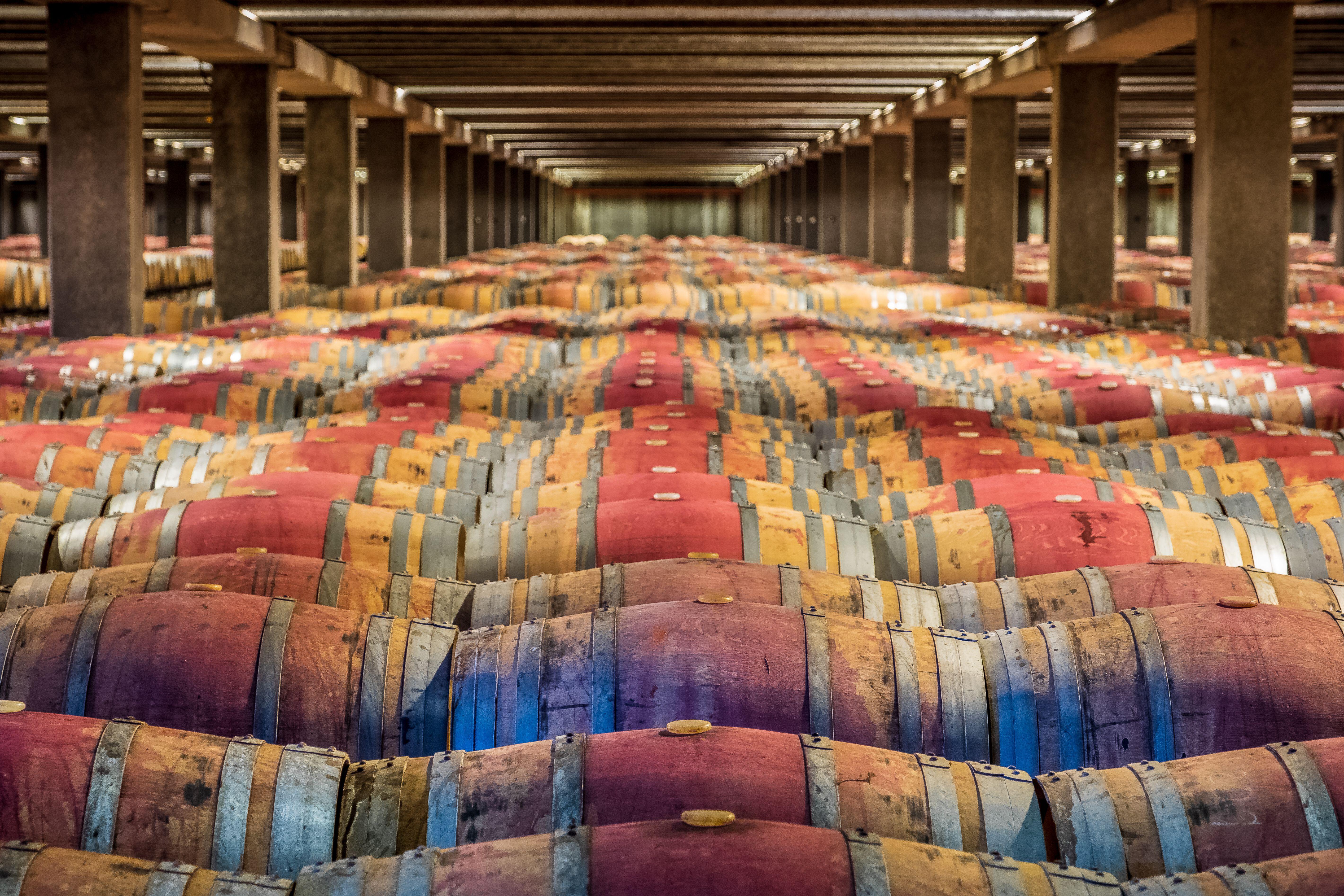
Campo Viejo, a staple of British supermarket shelves, has its vineyards in Logroño, in northeastern Spain
ALAMY
José Luis Benítez, director of the Spanish Wine Federation, said that British importers were now paying about 20 per cent more for the mainly red wines affected by the tax. He added that Spanish wines were the “most penalised by the tax increase” and that “the new tax system favours beers … and some sparkling wines”.
The changes to the way wine is taxed were introduced in the autumn budget. Lighter and draught products, such as beer, were handed a reduction in alcohol duty. There was also a 2p tax cut for sparkling wine, bringing the duty down to £2.65 per 75cl bottle, in line with a 12 per cent bottle of still wine.
The UK has a growing domestic sparkling wine industry, although the vast majority of wine produced is destined for domestic consumption. Only 8 per cent of sales in 2023 in Britain were destined for export, according to WineGB.

The Rioja region is known for its full-bodied reds
GETTY IMAGES
Richi Arambarri, the chief executive of another Spanish winery, Vintae, in the Rioja region, said: “It is undoubtedly affecting us. England is a big and historic market for Spanish wines.”
Importers were increasingly shifting towards lighter wines with alcohol levels between 11.5 and 12 per cent but these wines face resistance from consumers. “In the end, people like wines that have a certain body, and for that the alcohol content is essential,” Arambarri said.
Dining and Cooking