Honestly, the soil moisture/pH monitors are so crappy and cheap they’re virtually worthless. Might as well toss a $20 into a landfill and spare yourself the shipping.
If you want to find out how much moisture is in the soil, stick your finger in it. If damp soil comes away covering all of your finger, it’s moist. If it’s just your fingertip, it’s about time to water. If you get dust, it’s usually too dry (unless you’re in a desert).
Super-Cod-3155
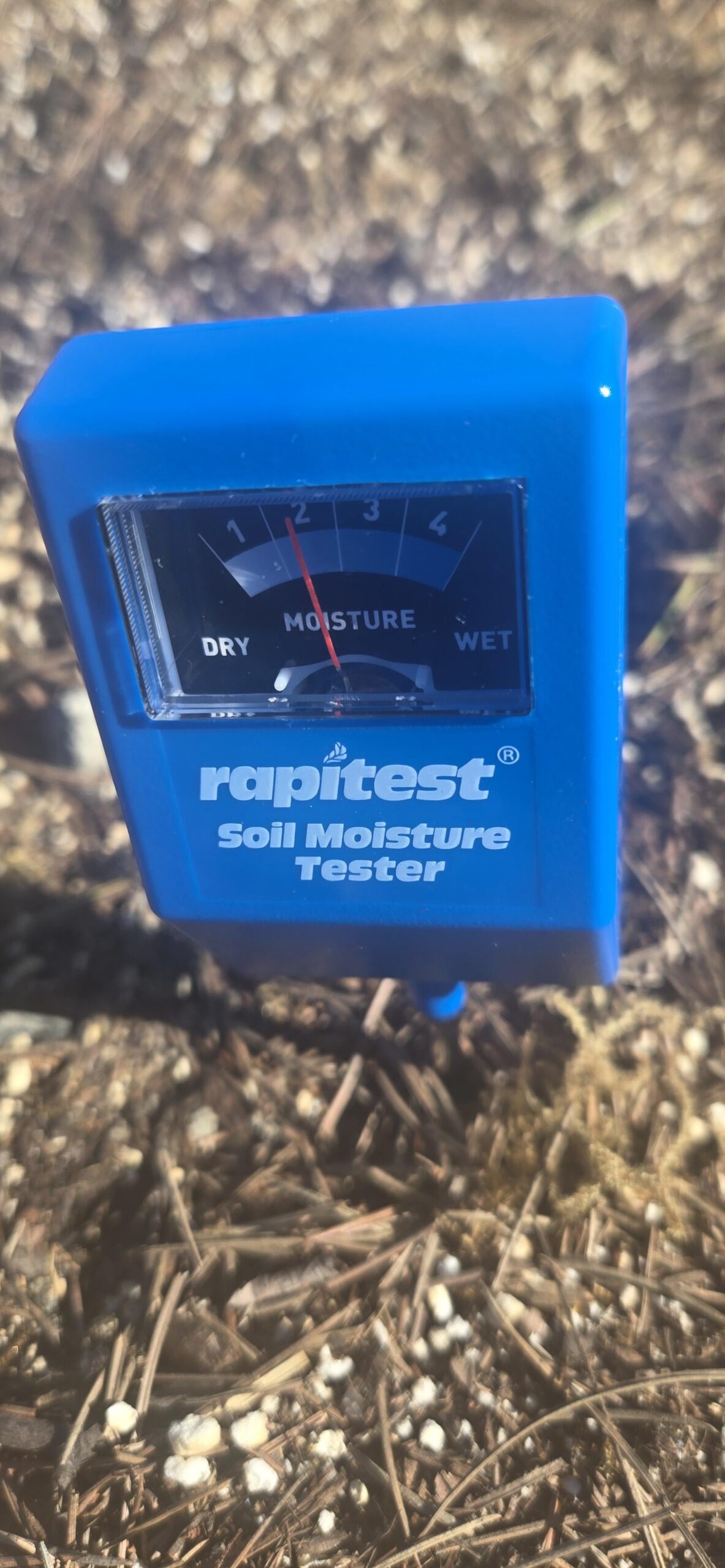
With this sort of thing there is no real answer because it all really depends on soil types and the plants you are growing.
Your best bet is to stick it in the ground and then dig around. See what the soil looks like at any particular number. Take note of what the plants look like too. When you find something that you’re happy with, that’s your baseline.
It’s also worth checking at different depths because your soil water content isn’t going to be consistent through the profile.
jh937hfiu3hrhv9
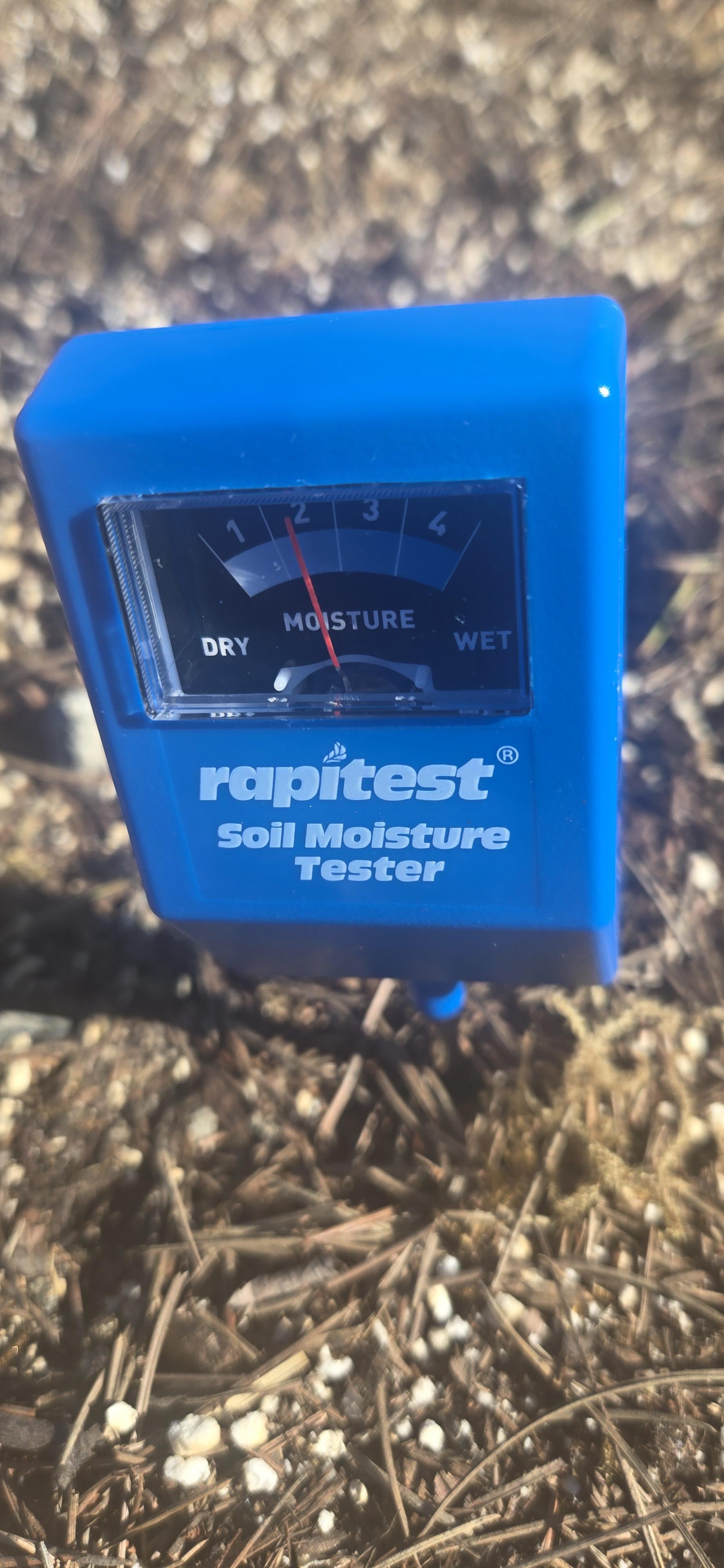
Vegetables like moisture around 70%. I would assume #3 is about right. A moisture meter is one of my favorite tools.
[deleted]
[removed]
speppers69
Water meters are great for testing moisture. There is absolutely no shame in using one. I’ve been gardening for decades and I still use a meter very similar to yours. I see more posts here from gardeners that are inconsistently or improperly watering and then wondering why their plants are having problems. Inconsistent watering causes nutrient deficiencies. And fingers often aren’t long enough to go down to root level.
You want to shoot for the middle of the meter…2-3. Use the probe at 2 inches and 6-8 inches. If it’s at 1 or below at 2 inches…water lightly. If it’s at 1 or below at 6-8 inches…water deeply and slowly. On very hot days over 100° use your meter twice a day…morning and evening. On average days use it in the morning before you water. Insert the probe and check the moisture level. Remove and wipe the probe with a moist paper towel. And then move on to the next plant.

7 Comments
Honestly, the soil moisture/pH monitors are so crappy and cheap they’re virtually worthless. Might as well toss a $20 into a landfill and spare yourself the shipping.
If you want to find out how much moisture is in the soil, stick your finger in it. If damp soil comes away covering all of your finger, it’s moist. If it’s just your fingertip, it’s about time to water. If you get dust, it’s usually too dry (unless you’re in a desert).
With this sort of thing there is no real answer because it all really depends on soil types and the plants you are growing.
Your best bet is to stick it in the ground and then dig around. See what the soil looks like at any particular number. Take note of what the plants look like too. When you find something that you’re happy with, that’s your baseline.
It’s also worth checking at different depths because your soil water content isn’t going to be consistent through the profile.
Vegetables like moisture around 70%. I would assume #3 is about right. A moisture meter is one of my favorite tools.
[removed]
Water meters are great for testing moisture. There is absolutely no shame in using one. I’ve been gardening for decades and I still use a meter very similar to yours. I see more posts here from gardeners that are inconsistently or improperly watering and then wondering why their plants are having problems. Inconsistent watering causes nutrient deficiencies. And fingers often aren’t long enough to go down to root level.
You want to shoot for the middle of the meter…2-3. Use the probe at 2 inches and 6-8 inches. If it’s at 1 or below at 2 inches…water lightly. If it’s at 1 or below at 6-8 inches…water deeply and slowly. On very hot days over 100° use your meter twice a day…morning and evening. On average days use it in the morning before you water. Insert the probe and check the moisture level. Remove and wipe the probe with a moist paper towel. And then move on to the next plant.
Dans le 3 serait l’idéal
The garbage can.