
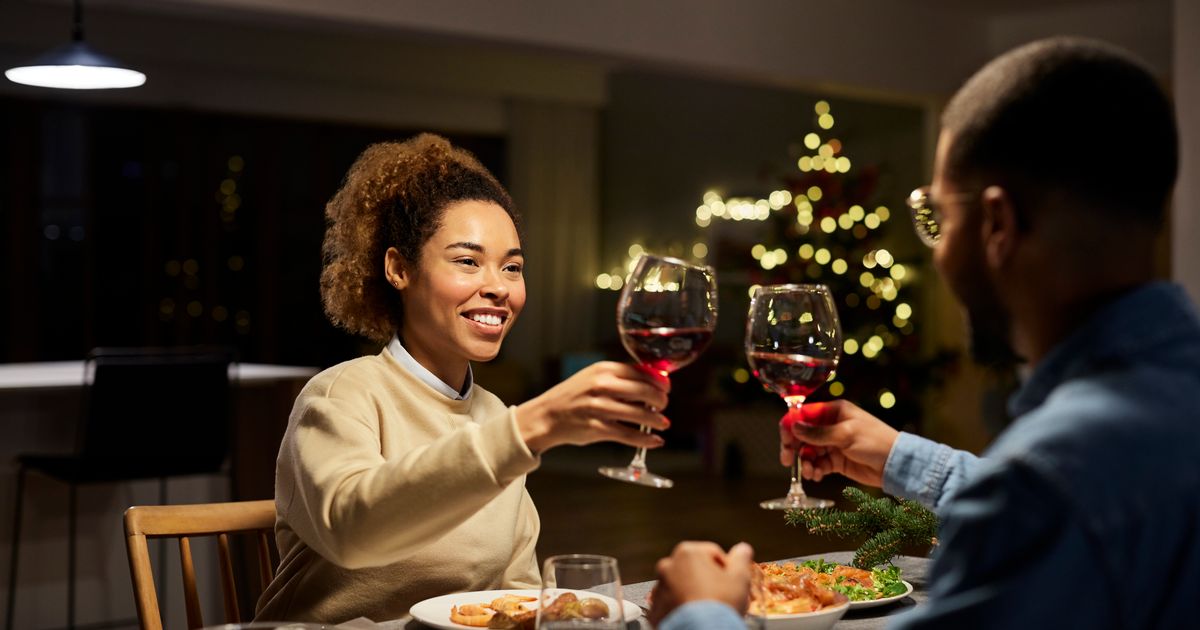
Dr Debra Marcos said festive favourites are the type of foods that do not sit well with a slowed digestive system
Howard Lloyd Regional content editor
14:12, 08 Dec 2025Updated 14:13, 08 Dec 2025
 Christmas can be a tricky time for people taking GLP 1s
With an estimated 1.5 million Brits now using GLP 1 medication, Christmas dinner for many will look very different this year. Medications like Mounjaro and Wegovy, known for slowing digestion and suppressing appetite, can make traditional Christmas food more difficult to tolerate, causing side effects like nausea, bloating, and reflux.
That is why Dr Debra Marcos, medical director at Weight Medics, is urging patients to rethink how they approach festive food. “As GLP-1 medications slow down digestion and help you feel full sooner, they also make it harder to handle heavy meals,” says Dr Marcos.
“Christmas doesn’t have to be off-limits, but you do need a strategy to avoid feeling bloated, sick, or uncomfortable for the rest of the day.”
Many festive favourites are exactly the kinds of foods that do not sit well with a slowed digestive system. When rich in fat, sugar, and dense carbohydrates, they linger longer in the stomach and can overwhelm a body already adjusting to reduced appetite and slower gastric emptying.
“Though we think of Christmas dinner as comforting, medically speaking, it’s often a perfect storm for patients on GLP1s – fatty meats, creamy sauces and rich desserts are the foods that most commonly trigger symptoms” explains Dr Marcos.
“These drugs delay stomach emptying, so Christmas favourites like fatty roast potatoes, rich gravies and cream-laden desserts can sit in your system much longer. What would normally be an indulgent but manageable meal can leave you feeling severely bloated, nauseous, or struggling with reflux for hours afterward.”
So how do you navigate Christmas Dinner if you are on GLP1s? Dr Marcos recommends a few simple shifts that can make all the difference. From what to eat to how you eat it, her guidance focuses on small, realistic changes that support digestion while still letting you take part in the celebration.
Before the meal
Don’t arrive starving : Eat a small, balanced snack earlier in the day to avoid overloading your stomach all at once.Stay hydrated: Aim for 8–10 glasses of water throughout the day to support digestion.Stick to your routine: Take your medication at the usual time. Skipping doses will not prevent symptoms and may make them worse.
During the meal
Start small and eat slowly: Give your body time to register fullness.The order of the food is important: start with veggies, continue with protein and end with carbs/sugar.Sweet foods should be consumed as dessert, never on an empty stomach.If you can, choose leaner options: Go for turkey breast, skip the skin, and steer clear of heavy cuts like pork belly or lamb.Pile on the veg: Roasted carrots, sprouts, and greens are easier to digest than buttery potatoes or stuffing.Go light on sauces: Rich gravies and cream-based sides can trigger nausea and reflux.Alternate bites with sips of water: This helps food move through the system more comfortably.Limit the amount of alcohol: Limiting alcohol while taking GLP-1 medications is important because alcohol can intensify common side effects like nausea, dizziness, and low blood sugar, making the treatment harder to tolerate. Both alcohol and GLP-1s slow digestion, so combining them may worsen stomach discomfort or lead to unpredictable drops in appetite or blood glucose. Alcohol also adds empty calories that can hinder weight-loss progress and impair judgment around food choices.
After the meal:
Stay upright for at least 30-60 minutes after your big meal: Lying down increases the risk of reflux.Take a short walk : A gentle 10–15-minute stroll can aid digestion.Listen to your body: If you feel full, stop. Don’t eat out of pressure or politeness.
Foods to approach with caution
Dr Marcos advises that while no food is strictly off-limits, certain festive dishes are more likely to trigger discomfort due to the way GLP-1 medications affect digestion:
Fatty meats and rich gravies: High-fat foods take longer to move through the digestive system when gastric emptying is delayed, increasing the risk of nausea, bloating, and reflux.Roast potatoes cooked in goose fat: Oily sides are particularly hard to process on a slowed digestive system and can leave you feeling overly full or sluggish.Cream-based dishes and desserts: Brandy butter, bread sauce, and trifle combine fat and sugar in a way that can intensify common GLP-1 side effects.Sugary cocktails and mixers: These can spike blood sugar levels rapidly and may worsen nausea or dizziness, especially when appetite is already reduced.Christmas pudding and mince pies: Dense, high-fat, and high-sugar desserts can overwhelm digestion and contribute to prolonged discomfort.Alcohol: Limit alcohol on GLP-1s because it can blunt your progress and boost your side-effects.
“You can still enjoy Christmas food as long as you make a few mindful choices that won’t have you paying for it later,” adds Dr Marcos. “A little planning goes a long way.”
Dining and Cooking