
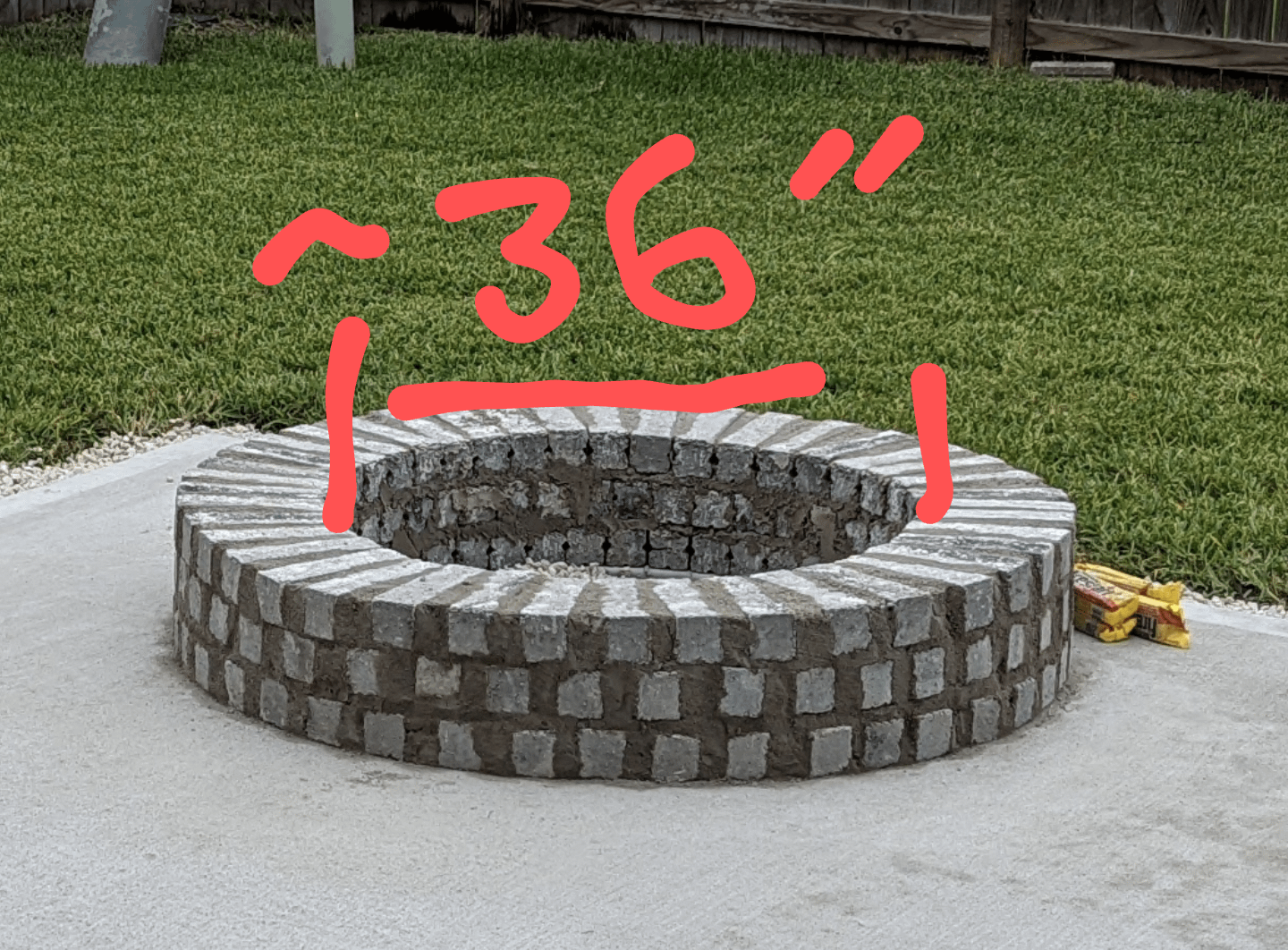
Having family visiting my new home at the end of the year, had this brick fire pit put in my backyard since there was an ass load of leftover bricks laying around from remodeling.
Really want to make use of this to cook up some open fire foods (assuming this is usable), since that wasn't a thing at all with my family growing up. Looking at things like steaks, chicken thighs/drums/wings, skewers of various sorts, etc.
I bought a 36" grill grate to lay on top of this with hopes of getting a few trial runs in before the days they visit, tried doing some preliminary research (mainly establishing 2 temperature zones, any wood except for pine is usable, etc).
Want to ask if there's any absolute essentials I should get beforehand, or just general quality of life tools and tips? Also would love recommendations on beginner friendly recipes that you enjoy.
by ricehatfarmer
4 Comments
The most important essential: oxygen.
I see no way you’re going to get a decent fire going in that pit without some airflow. I’ve tried to build fires in pits like this and they never stay lit for long. Before you go nuts on equipment and food, bore at least 6 x 1” holes near the ground level.
Sorry I know that’s not what you wanted to hear but I think it will save you some disappointment. LMK how it goes either way. Good luck and happy grilling!
Are those bricks fire-rated? And that’s a lot of mortar between bricks, and is that fire-rated, too?
If not, be careful. The bricks will likely start cracking up and could even shatter/explode.
Look up cowboy and campfire cooking recipes.
Personally, I wouldn’t grill food directly over the pit without a drip tray. Otherwise you’ll have a lot of grease buildup. It will smell bad and attract pests.
But this would lend itself well to cast iron skillet, griddle, and dutch oven cooking.
If you do meats, do them indirect with a drip tray. For example, you could do string roasts – literally hanging from a string – indirect with a drip tray or even a pot of beans underneath.
Good luck!
You may want to get a few larger rocks or cinder blocks to put on the edges of the grate to keep it from shifting when moving things on the grate.
You should consider if you’ll want to be able to put more wood on while cooking. If so, have a plan on how you would move the grate or consider using a grate that’s something like 24 in wide but still 36 in long and have something to weight the sides of the grate that’s on the top.
If that’s a 36 in inner diameter for the fit pit, you’ll likely want to go for a grate that’s larger than that to ensure you don’t tip a corner into the pit on accident.
I can’t tell for sure, but it looks like there may be gravel or something in the bottom of the pit and that it might be a hole in the pad as well. If this is directly on top of the concrete pad, you may want to see how water runs off/out from the pit area. Even with cleaning out the remaining ash, you could have streaks of black across the rest of the concrete as a result of weather and time if you don’t have directed drainage from the pit area.
You could consider a fun DIY project to install some vertical bars to allow for a rotisserie to be used or to allow for a Santa Maria style grill to be done. Totally just thoughts, not necessary. While not “technically” grilling, consider foil packets and Dutch oven cooking options as well.