
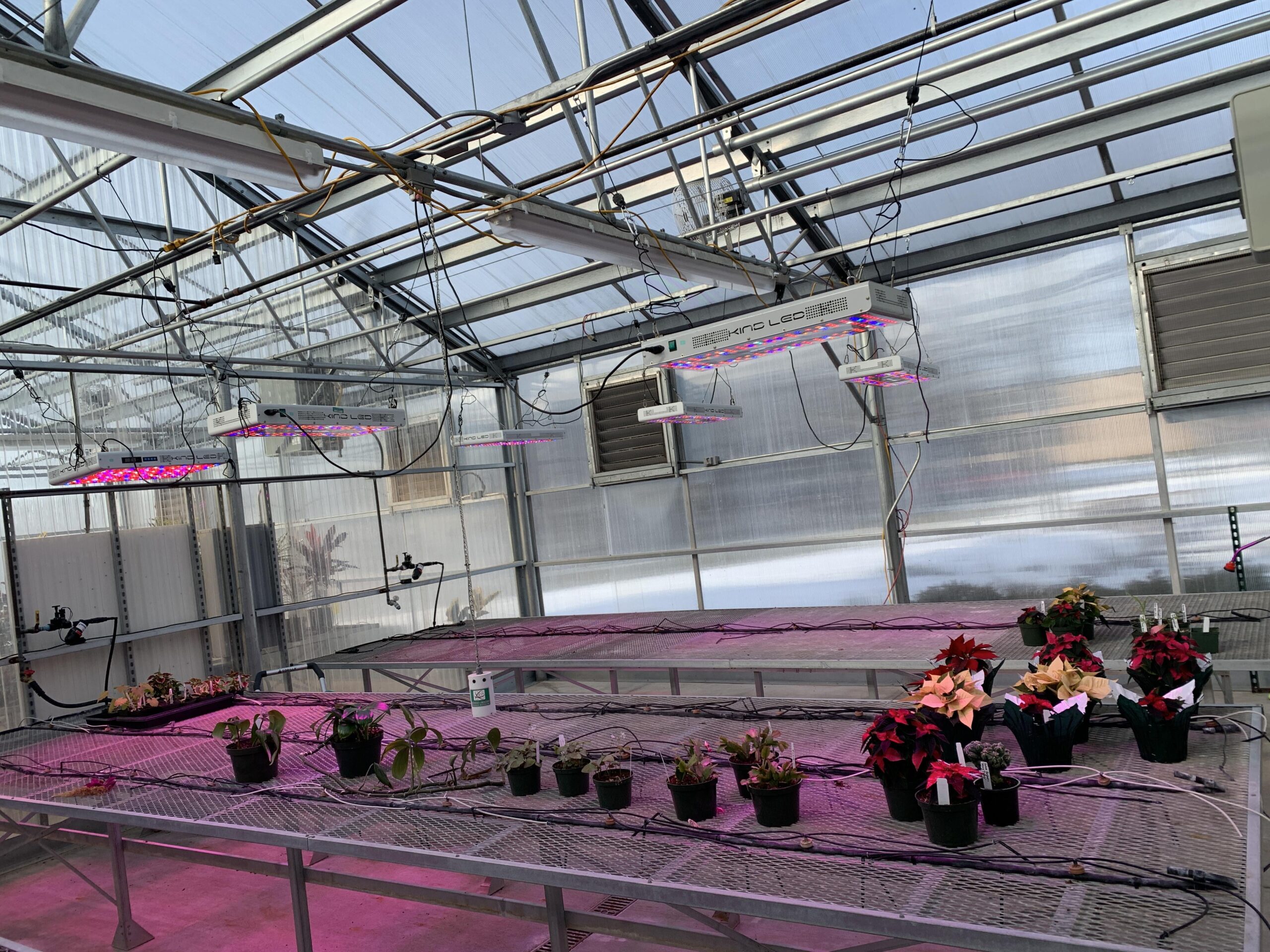
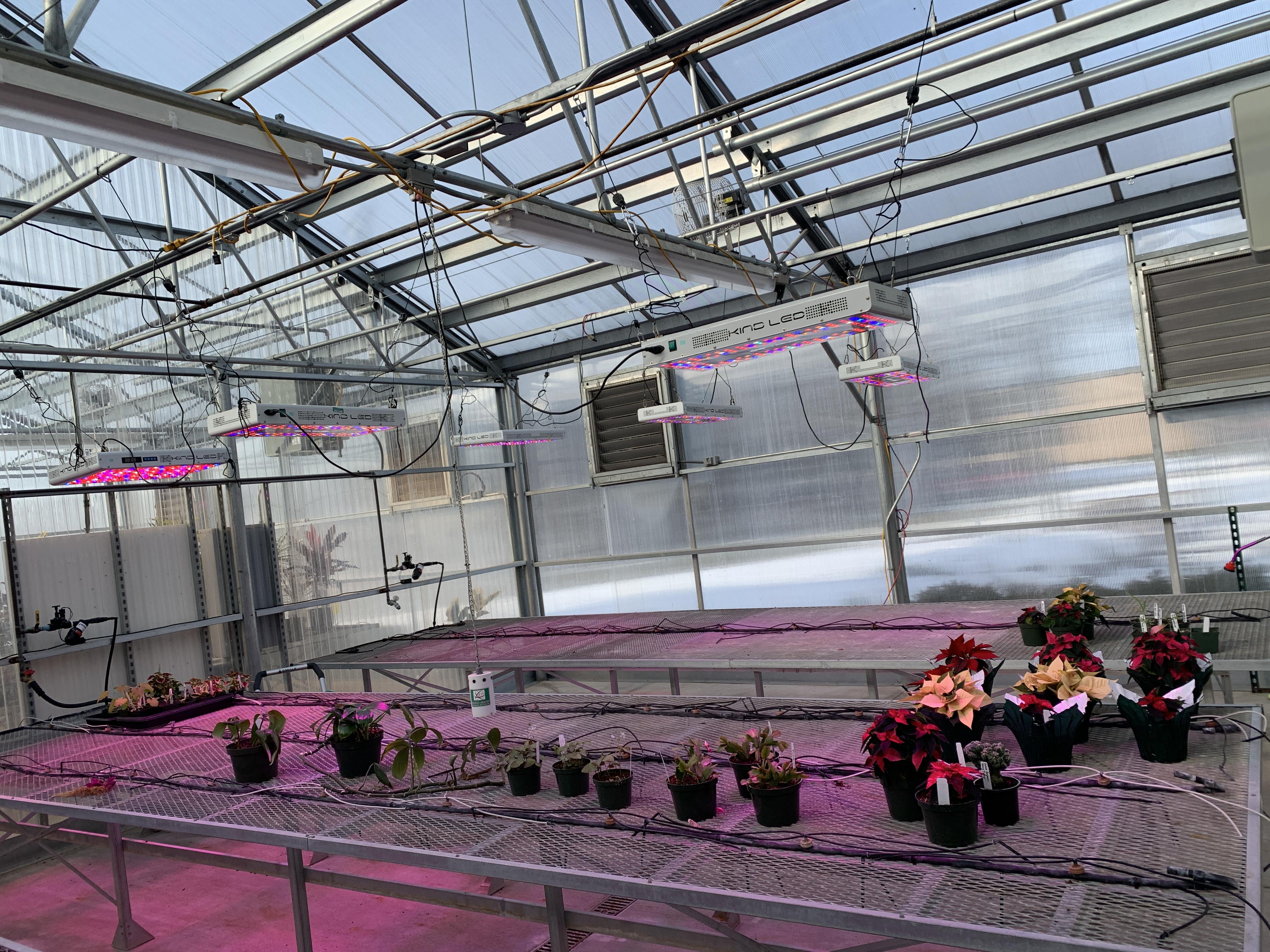
My college greenhouse has some unused room and a food bank that’s open to all donations. How best can I make the most out of available space for the next nine months?
My plan at the moment is to grow a mix of brassicas to simplify water requirements, mostly gradual-harvest varieties like brussels sprouts or mini broccoli, but I am open to all suggestions and tips.
Zone 6 btw
by GravityBright
19 Comments
Just a thought but I don’t think you can grow much to harvest in that set up. I would suggest getting starts of various veggies going and have a fund raising sale in the spring. Onions and brassicas are usually early to plant seeds, then peppers & tomatoes and they typically get sold early. As a round 2 planting & later selling are the cucumbers, zucchini and squash.
Maybe a business school and ag school project?
Holy moley! Everything!
Unless you have grow lights, I don’t know that there is much you could do. You could try growing some lettuce. And start a ton of onions. You could also get some garlic going.
[removed]
I would design around demand. Talk to the food bank and ask what them what is in demand, then decide what you want to grow. No point of growing colorful carrots if they won’t grab them.
Solid mind set of minimizing labor and standardizing pot size and support systems. Me, I would just bang out broccolini, cold tolerant salad mixes and spinach.
Vine tomatoes, all the herbs, brassicas, lettuce. Peppers, any multi-fruiting plant.
Green onions, personally I’d try corn. Probably everything except melons honestly!
I’d do fast-growing and widely appealing crops that also have some shelf life. For cooler temps and short days (unless you have full control of the lights): romaine, snap peas, green beans, bunching onions, 50-60 day broccoli. Broccoli takes a lot of space, so id scratch that first.
If you can crank up the heat and lights: Tomatoes, peppers, zucchini. Go vertical, if you can.
If you have a lot of options and availability of containers and growing media, also consider potatoes and carrots.
These are all things that I think a variety of people could figure out how to use easily and that are shorter season. Bulb onions and garlic take forever, and a lot.of.softer greens don’t have the shelf life. I assume people are only picking up food once a week or so, so they need ot to stay good until they return, and not have to eat it all in two days.
Micro greens, pea shoots. Salad greens if you can set up some soil boxes. Lettuce (hydroponic or in pots/boxes), radishes (in 50 cell trays), lots more but these are where I would start
If it were me, and I wasn’t concerned about startup costs or heat/light energy costs. I would probably do like four or five 30 gallon planters on the south wall with tomatoes and I would use all of the rest of the space for sprouting greens maybe something like baby kale greens in 10×20 trays.
You’re gonna be buying a lot of potting mix and a lot of plastic if you don’t already have it available.
Typically cucumbers, tomatoes, peppers, and eggplant (roughly in that order) have the best yield in that type of setup. If you can fertigate via those emitters you could bang out a lot of veg.
Tons of great ideas, I would start calling around for a half-yard of soil for raised beds, maybe a couple big bags of perlite and composted manure to mix into the dirt. I use 10-gallon fabric bags, they really help me with overwatering. Possibly a compost tea later down the line, help keep costs down for fertilizer and nutrients.
Grow basil and process it into pesto.
I would grow cucumbers, but that’s because they are my favorite thing to eat.
The horticulture program I was in had a year young volunteer who did workshops on vegetable transplanting and they would store their seedling flats in the greenhouse and then repot before setting outdoors. Doing tomatoes and peppers for a cold climate would probably get a lot of people’s interest and then you can work with them to host transplant flats for seasonally/regionally appropriate plants.
Grow everything but like mentioned above grow what the food bank needs most. Potatoes, lettuce, garlic and herbs, sweet peppers etc.
Tomatoes, cucumbers, cucamellons, cellert, brassicas, turnips, radishes, beats, letruce, peas, and beans.
[removed]
Hydroponic strawberries
[removed]