

Italy is raising a glass and saying “salute” after becoming the first country in history to have an entire cuisine added to UNESCO’s Intangible Cultural Heritage of Humanity list.
Rather than a single recipe or tradition, the United Nations body voted to add Italian cuisine as a whole to the list of Intangible Cultural Heritage on Wednesday.
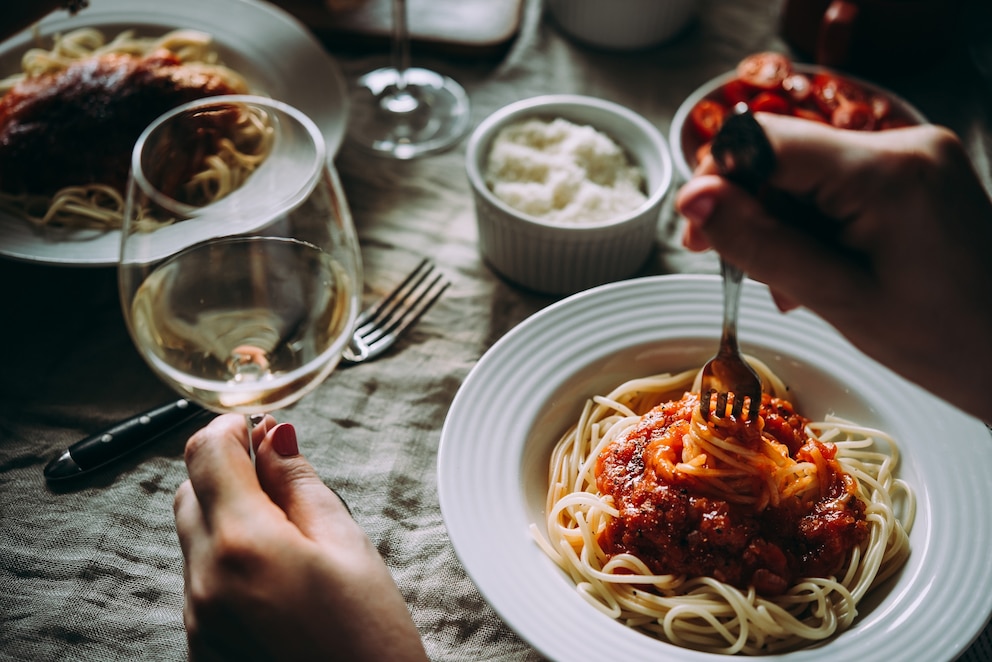
Italian cuisine encompasses a vast array of regional fare steeped in cultural significance, from the famed wine regions that span Tuscany to Veneto or historically significant dishes such as pasta carbonara from Rome or pizza Napoletana from Campania.
The decision was announced by UNESCO’s Intergovernmental Committee, which assembled at a meeting in New Delhi this week. Italy was among 60 applicants from 56 countries up for consideration for the selection, as first reported by Italian news agency ANSA.

Italy’s Prime Minister Giorgia Meloni looks on prior a meeting with French President Emmanuel Macron at Chigi Palace, June 3, 2025, in Rome.
Alessandra Benedetti/Corbis via Getty Images
The art of the Neapolitan “Pizzaiuolo” — a four-phase preparation and culinary practice for wood-fired pizza — was previously added to the UNESCO Intangible Cultural Heritage list in 2017.
The French baguette earned a distinction on the same list back in 2022.
UNESCO emphasized that Italian cooking “promotes social inclusion” by “promoting well-being and offering a channel for lifelong intergenerational learning, strengthening bonds, encouraging sharing, and promoting a sense of belonging.”
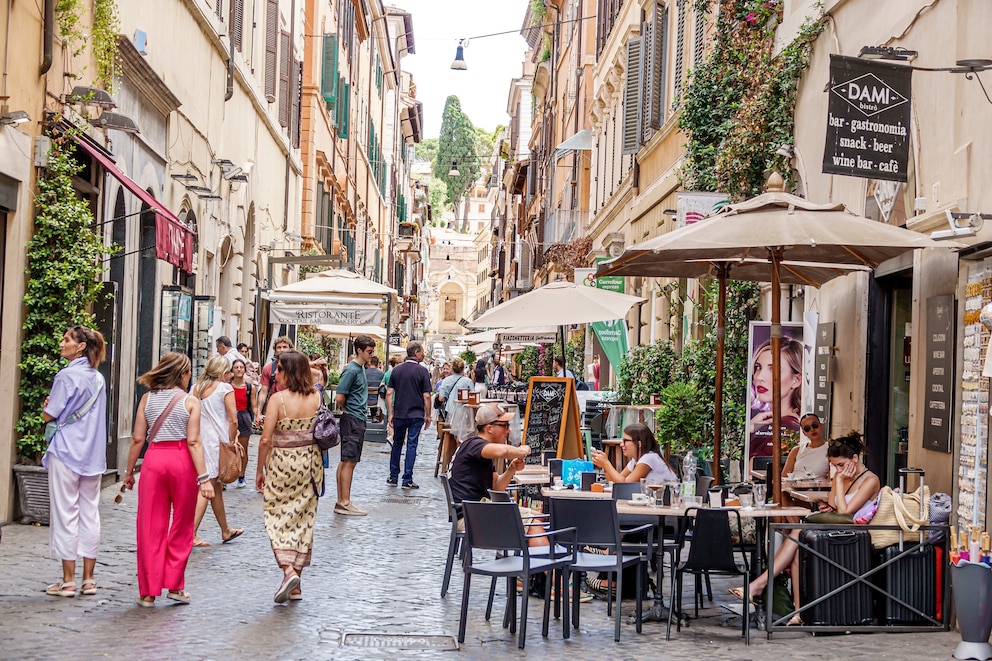
People dine outside in Rome.
Jeff Greenberg/Universal Images/Getty Images
There’s no shortage of places that champion Italian cuisine for diners in the U.S., including establishments like Eataly, whose North America CEO Tommaso Brusò celebrated Italy’s newly minted UNESCO status at a new cafe opening on Thursday.
The Venice-born head of the Italian food retailer told ABC News that the designation was “a huge recognition to celebrate Italian cuisine” adding that, “for us to be a small part of that process, which we help to promote through our stores and celebrate together, is very special.”
“It’s not just the food, it’s more like what has connected the food as a lifestyle,” he said.
“Yes, the food is the tangible part, but it’s also the way we are interpreting Italy as a company as a cultural hub — the way we design the stores, the way we train our people and engage with those who come here,” he continued, speaking to the significance of providing a quality, authentic Italian experience. “You should have an experience as you you would be getting in Italy. I think the recognition isn’t just about the food, but the lifestyle and heritage.”
According to ANSA, with this recent cuisine inclusion, Italy has set a world record, with nine recognitions in the agri-food sector in proportion to its 21 total traditions included on the Intangible Cultural Heritage list.
Other agri-food entries on the list include transhumance (“the seasonal movement of people with their livestock between geographical or climatic regions,” according to UNESCO), the art of dry stone construction, the cultivation of the Zibibbo di Pantelleria vine, the Mediterranean diet, truffle hunting, the traditional irrigation system, and Lipizzan horse breeding, per UNESCO.
Dining and Cooking