
NASHVILLE, Tenn. (WZTV) — The U.S. Department of Agriculture has approved a Tennessee waiver that will allow the state to prohibit some sugary beverages and snacks from being purchased with Supplemental Nutrition Assistance Program (SNAP) benefits beginning in 2026.
The waiver is part of a broader federal effort to “Make America Healthy Again,” which allows six states — including Tennessee, Hawai‘i, Missouri, North Dakota, South Carolina, and Virginia- to redefine what qualifies as “food for purchase” under SNAP. The authority gives states more flexibility to remove highly processed or sugar-heavy items from eligibility and encourage healthier food choices for low-income households.
Under Tennessee’s plan, foods and drinks that list sugar, high-fructose corn syrup, or similar caloric alternatives as a primary ingredient would no longer be eligible for SNAP purchase. The waiver also allows the state to exclude soft drinks or carbonated beverages where water and sugar are the first two ingredients.
Gov. Bill Lee praised the decision, saying the reform will strengthen families, promote healthier outcomes, and ensure taxpayer dollars are used responsibly. “I’m grateful to President Trump, Secretary Rollins, and Secretary Kennedy for quickly approving our SNAP waiver, and to our retailers and food producers for helping ensure nutritious food choices reach every community across our state,” Lee said in a federal release.
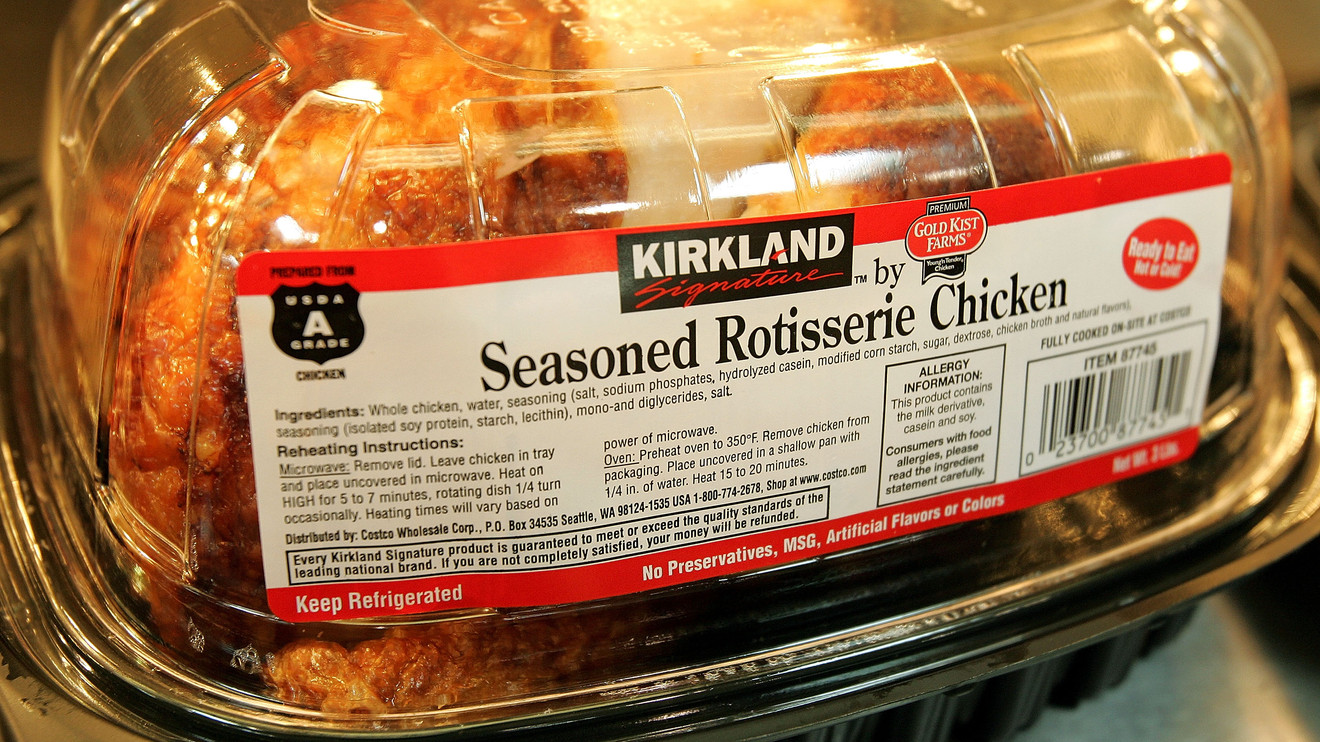
In addition to limiting sugary items, the waiver expands SNAP flexibility to include some prepared foods, such as rotisserie chicken, which are currently restricted in many states.
The change follows earlier attempts by Tennessee lawmakers to prohibit SNAP purchases of candy and sodas through legislation. A related bill, the Tennessee Health SNAP Act, passed the House earlier this year but remains in a Senate subcommittee.
Federal officials say the approved waiver empowers states to experiment with nutrition programs aimed at reducing chronic disease and childhood obesity. Critics have previously raised concerns about limiting personal choice or placing additional administrative burdens on retailers, though those voices were not included in Wednesday’s announcement.
The Tennessee changes are expected to go into effect next year once state rules are finalized and retailer guidance is issued.
Dining and Cooking