
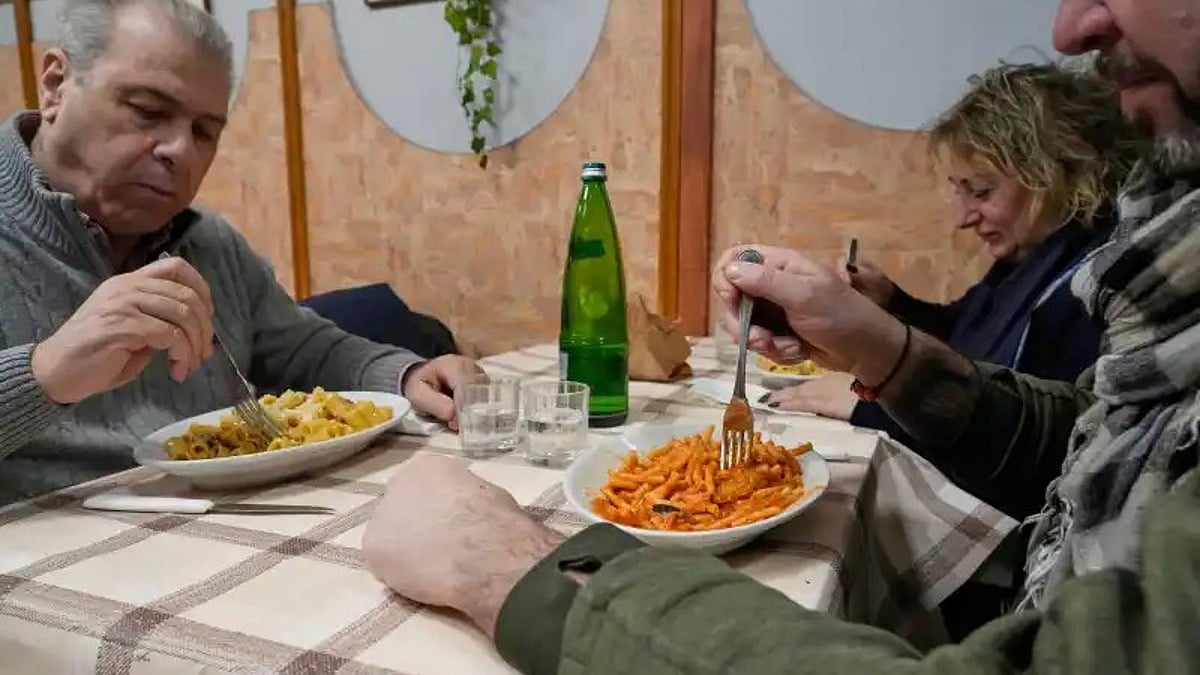
Italian cooking — cherished worldwide for its simplicity, seasonality and unmistakable flavours — has received a new form of international recognition. UNESCO has officially added the rituals surrounding Italian food preparation and mealtimes to its list of intangible cultural heritage, acknowledging the deep cultural and social meaning Italians attach to cooking and gathering around the table.
UNESCO affirms Italy’s deep-rooted culinary rituals as a living cultural practice
Unlike UNESCO’s more familiar World Heritage Sites list, which includes landmarks such as the Colosseum and Pompeii, the intangible category recognises living traditions and practices. In this case, the designation focuses not on specific dishes, but on the rituals that shape Italian culinary culture: the unhurried Sunday lunch, the family table that anchors daily life, and the intergenerational act of teaching children how to roll, fold or pinch pasta dough.
“Cooking is a gesture of love, a way in which we tell something about ourselves to others and how we take care of others,” said Pier Luigi Petrillo, a member of the Italian UNESCO campaign and a professor of comparative law at La Sapienza University in Rome. He emphasised that taking time to eat together — whether pausing at lunch or lingering even longer at dinner — is a habit less common elsewhere, yet central to Italian identity.
Italy’s prime minister Giorgia Meloni welcomed the recognition, framing cuisine not simply as nourishment but as a cultural touchstone. She described it as “culture, tradition, work, wealth”, reflecting the country’s pride in its culinary heritage.
Italian food is not the first to be recognised by UNESCO; the “gastronomic meal of the French” was added in 2010, and other culinary traditions — from Asturian cider culture to Senegal’s Ceebu Jen — have appeared on the list in recent years. UNESCO’s intangible heritage committee, meeting in New Delhi this year, evaluated 53 nominations for the representative list, ranging from Swiss yodelling to Chile’s family circuses and Bangladesh’s Tangail saree weaving.
Dining and Cooking