
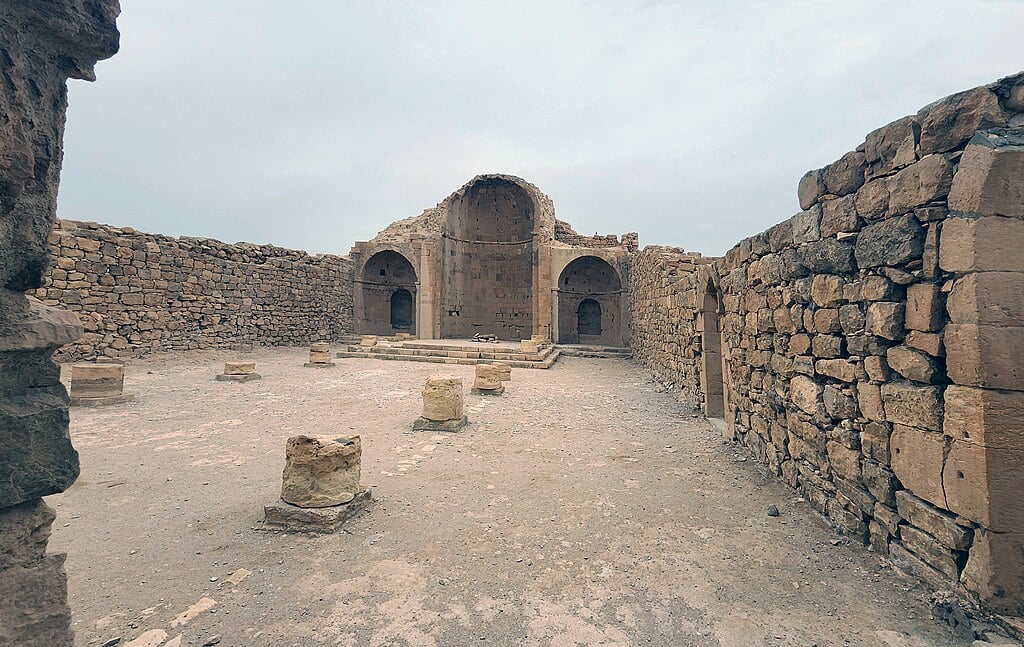
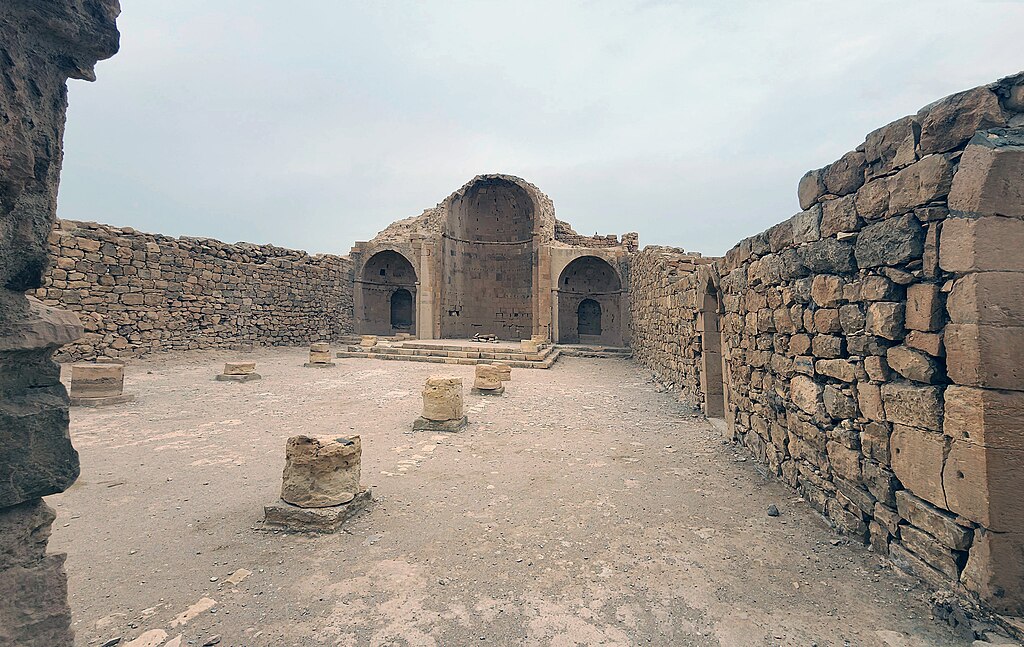
Shivta National Park. Credit: ישראל פרקר / Wikimedia Commons / CC BY 2.5
Byzantine-era grape varieties uncovered in Israel’s Negev desert are being replanted after more than a thousand years, reviving ancient farming traditions that once supplied wine to Mediterranean markets.
The new vineyard is taking root at Shivta National Park, within the remains of Byzantine terraces, as part of the Heritage Seeds Vineyard project.
Researchers trace seeds to Byzantine grapes
The Israel Nature and Parks Authority led the initiative with research support from the University of Haifa and Tel Aviv University.
A genetic study directed by Prof. Guy Bar-Oz identified seeds found in Negev excavations as ancient varieties still known today. Dr. Lior Shoimer and park authority teams are reintroducing the vines using traditional methods preserved in Jewish sources from the Byzantine period.
Wine in the Desert: A 1,500-Year-Old Success Story
Archaeologists just uncovered a fascinating story in Israel’s Negev Desert: during the Byzantine period, this dry, rocky region was booming with vineyards.
Yep—around 1,500 years ago, farmers were producing high-quality wine… pic.twitter.com/UP4JucsSNW
— History Content (@HistContent) July 17, 2025
“We are not only reviving an ancient agricultural tradition but also deepening visitors’ connection to the extraordinary historical story of the Byzantine Negev,” said Efrat Ruchin, head of Audience and Community for the Authority’s Southern District.
Seeds preserved for 1,400 years
Archaeological excavations in the caves of Avdat have uncovered grape seeds that were preserved for approximately 1,400 years. Genetic testing linked them to varieties once grown along the coastal plain, including the Seriki, used for red wine; the Be’er, cultivated for white wine; and the Dabouki, known for both table grapes and white wine.
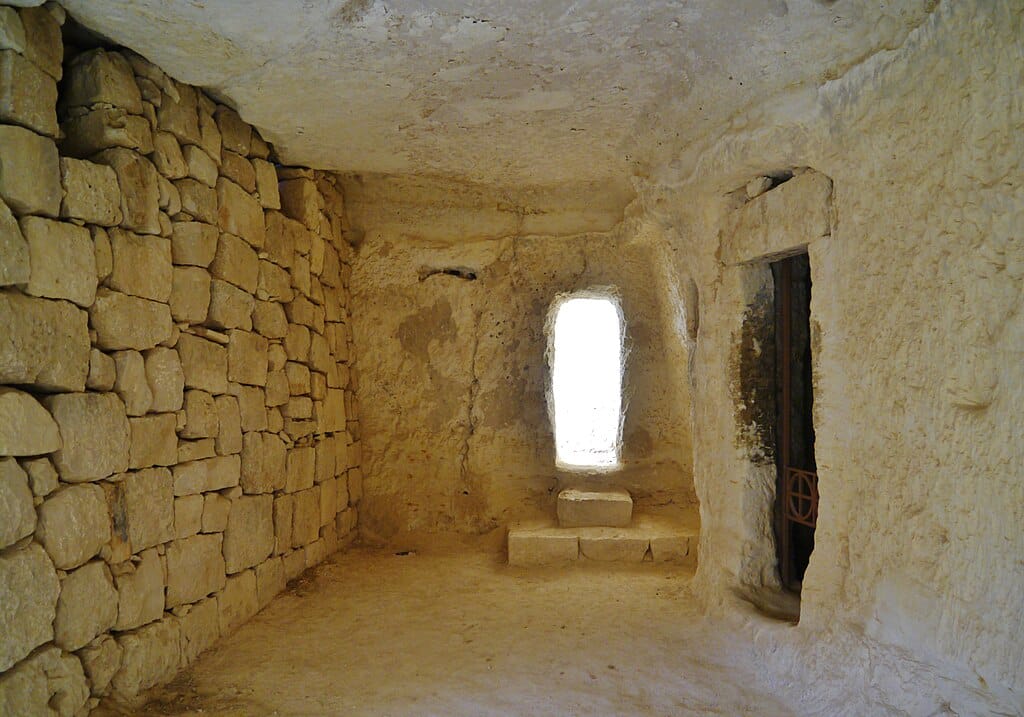
Cave town of Avdat, Negev Desert, Israel. Credit: Zairon / Wikimedia Commons / CC BY-SA 4.0
Restoring vines and methods of cultivation
Cuttings from these vines were first grown in the Heritage Seeds nursery of Assaf Bashan and later transferred to Avdat (Greek: Έβοδα) and Shivta (Greek: Σόβατα) National Parks. The project seeks not only to restore the vines but also the methods of cultivation.
The grapes are being planted on stone mounds, known as “Roglit vines,” a technique cited in the Jerusalem Talmud as suitable for offerings in the Temple.
A vineyard rooted in Byzantine trade
At Shivta, the vineyard lies between the park entrance and the western winepress, one of three facilities once used to produce wine on a scale large enough for export.
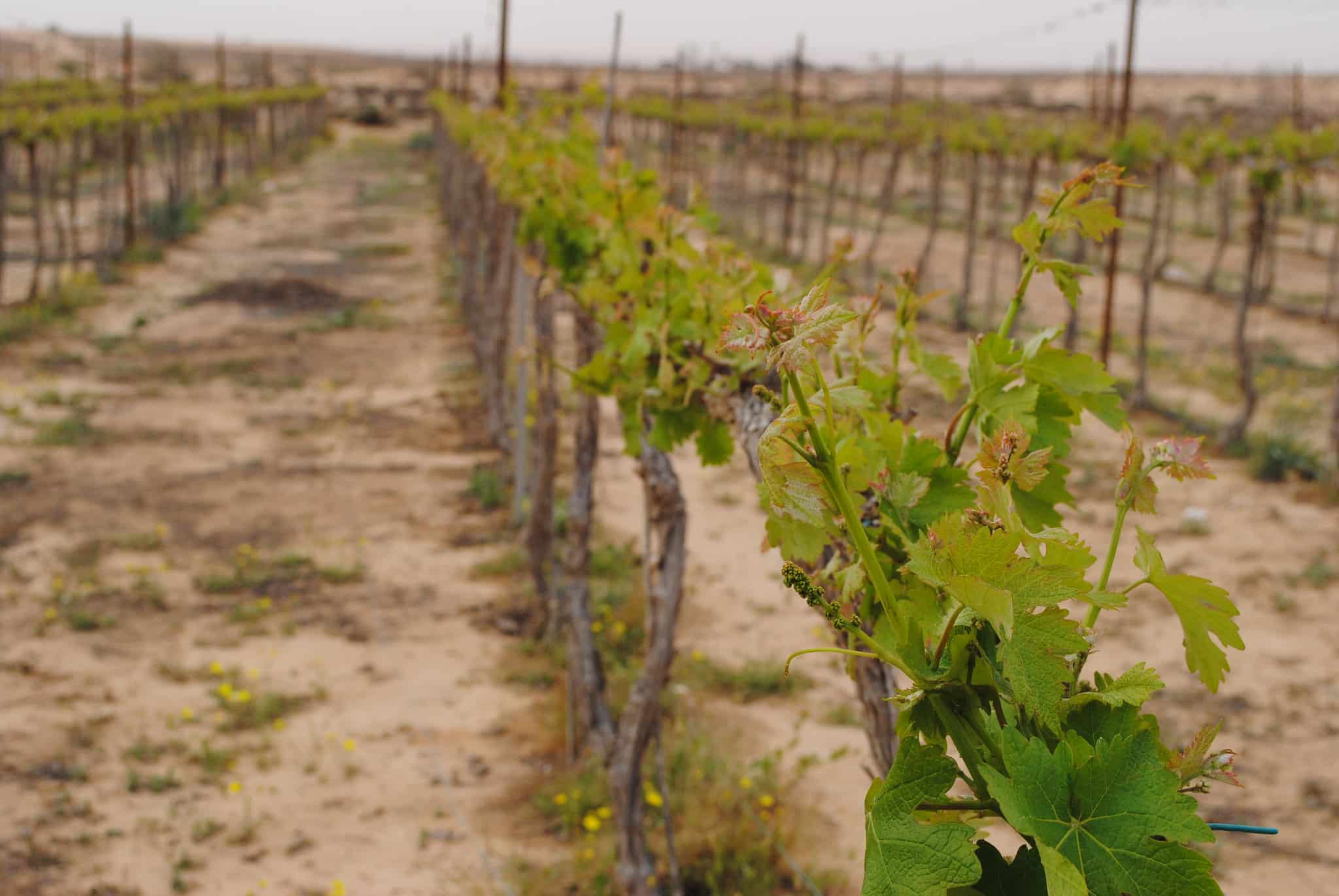
Rota Winery, Negev, Israel. Credit: Katherine Martinelli / Flickr / CC BY-NC-ND 2.0
Archaeological evidence shows Negev wine was shipped across Byzantine trade routes to Greece, Asia Minor, and Europe. Amphorae discovered in Aegean shipwrecks bear witness to this desert export reaching Greek ports.
Shivta recognized as a world heritage site
Shivta (Greek: Σόβατα) is considered one of Israel’s most striking archaeological sites. The remains of a Byzantine town have been preserved, including streets, houses, three churches, public pools, winepresses, and an advanced water system that carried water from kilometers away.
This combination of urban life and innovative agriculture in an arid climate earned Shivta recognition as a UNESCO World Heritage Site.
Visitors encounter history and renewal
Visitors today can walk through the northern church, the governor’s house, and the large winepress, alongside a reconstructed orchard. The new vineyard adds a living layer to the experience, reconnecting the site not only to its desert past but also to the Byzantine world, where its wine once flowed across the Mediterranean after millennia underground.
Dining and Cooking