
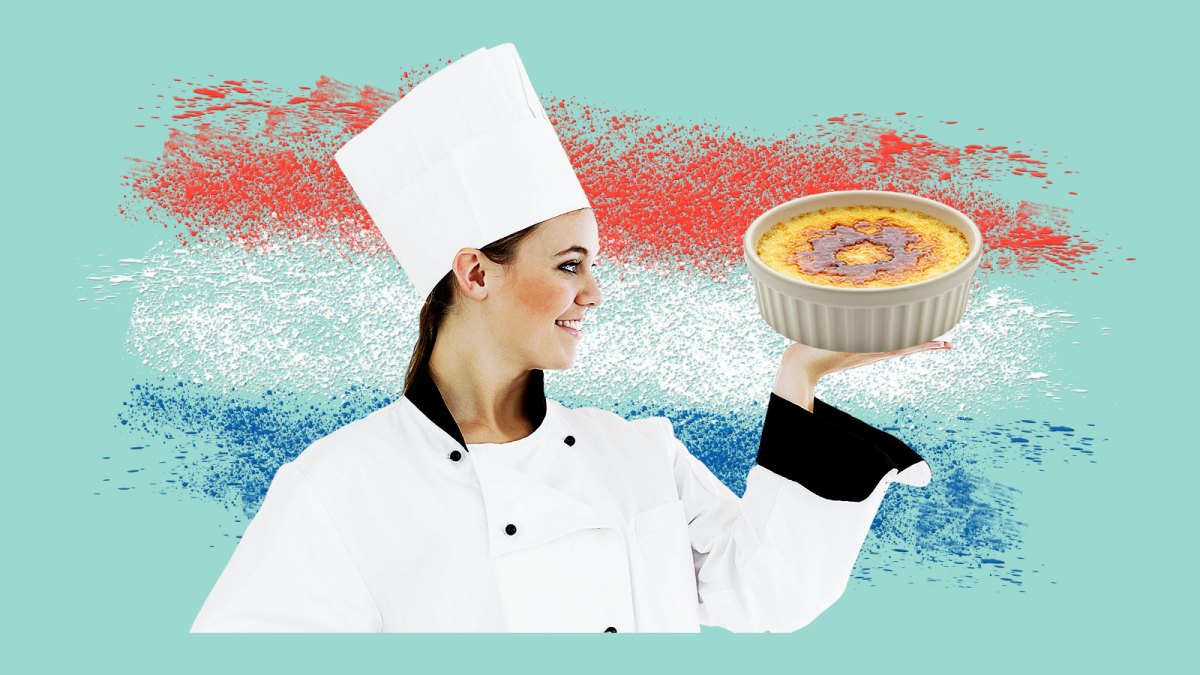
When the French see the label fait maison, or homemade, in a restaurant window, they expect a traditional meal made from scratch.
Regulations announced on Thursday, however, mean the label could be applied to meals using factory-produced ingredients, such as bottled egg yolks or pre-packed crab meat.
France introduced the distinction fait maison in 2014 for those making dishes with fresh produce, and the maître restaurateur label in 2007 for restaurants that do their own cooking and serve “authentic cuisine”. They were intended to identify restaurants that avoid reheating pre-cooked meals in microwaves and were hailed as a move that would underline the quality of the national cuisine.
Instead, the initiative revealed just how few restaurants cooked their own meals, and how many bought them ready-made from wholesalers. Fewer than 8,000 of the country’s 175,000 restaurants have been given the fait maison logo, and only 3,300 the maître restaurateur one.
The government said it planned to loosen the rules to make it easier to be distinguished. Even chefs who use factory-produced ingredients will be able to apply for the labels.
The move was welcomed by restaurant-owner federations but criticised by purists who accused ministers of giving an official stamp of approval to culinary dishonesty.
• The English invented champagne? French find that hard to swallow
Behind the controversy lie claims that diners have lost faith in restaurants that no longer chop, peel and mix. Consider, for instance, the crème brûlée, which is traditionally made by heating cream, sugar, vanilla and egg yolks, then topped with caramelised sugar. In practice, the dessert served in French restaurants increasingly comes out of a box of “professional crème brûlée” mixture, which is heated for five minutes, left to cool for 20 minutes, poured into dishes and caramelised with a cooking torch.

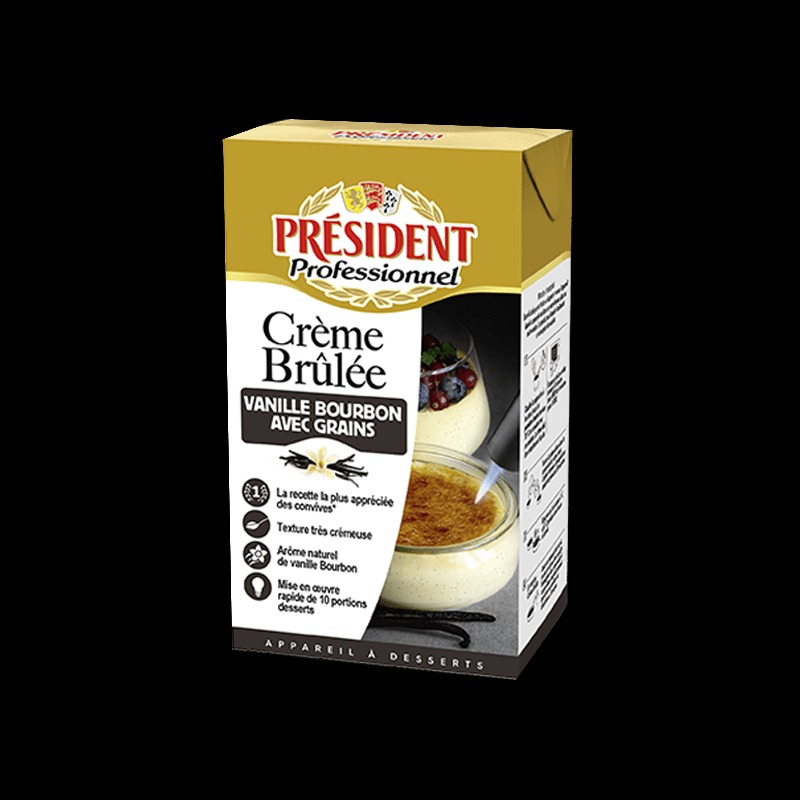
The fait maison concept has backfired because the great majority of the country’s chefs have recourse to industrial products, critics say. BFM, the news station, said that few cracked open eggs, for instance, preferring bottled yolks or whites.
Gabriel, a chef in a Parisian bistrot who declined to name his establishment, said he used bottled yolks. “You need 500 grams of egg yolks for chocolate mousse. Imagine the number of eggs we’d have to open every day. And what is more, we’d throw away the whites.”
Alain Fontaine, chairman of the French Association of Maître Restaurateurs, supported the use of bottled eggs for “small restaurants … which do not have many employees and which have to work fast, which need to serve 50 or 60 meals with just one cook. What are they supposed to do?”

Alain Fontaine
FRANCOIS MORI/AP
He said it was “economically dangerous” to encourage them to spend time opening eggs, and welcomed the government’s rule change.
UMIH, the restaurant and hotel owners’ federation, welcomed what it called the “tidying up” of the fait maison logo. “Customers have the right to transparency and clarity on their plates,” it said.
However, Xavier Denamur, a restaurant owner in Paris, denounced the rule change as a “step backwards”. He said: “The idea was to enable all the diners in France to know what they would find on their plates when they go into a restaurant. When you go into a supermarket, you can buy any product, turn it over and see exactly what is in it, whether there are additives or whatever. When you go into a restaurant, you know nothing.”
Denamur said factory-made dishes should be signalled on menus. The government considered this idea a year ago before discarding it after being warned that there was too much industrial food in French cuisine.
Dining and Cooking