
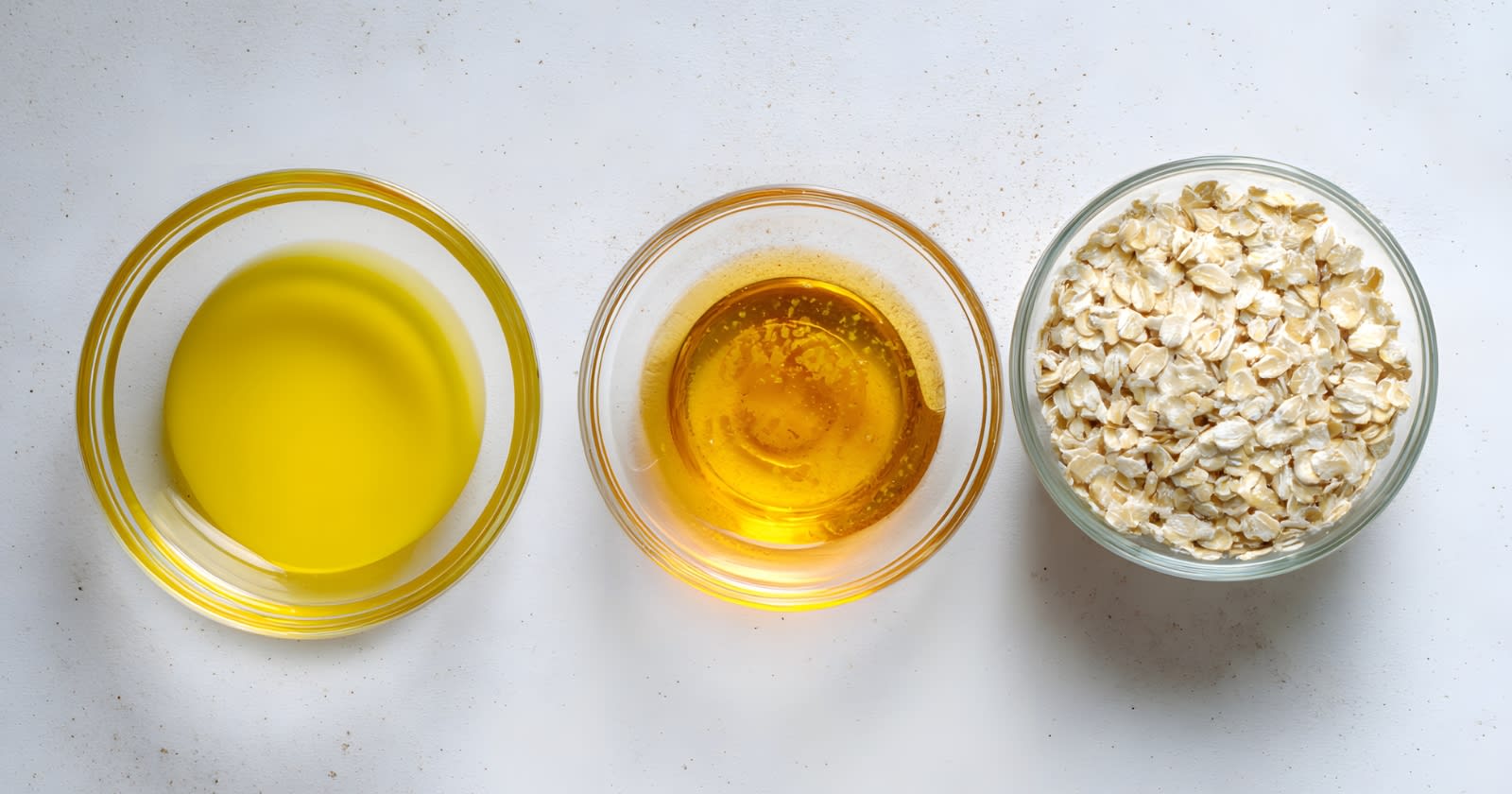
According to Renub Research Recent Report United States olive oil market was valued at US$ 2.99 billion in 2024 and is projected to reach US$ 6.04 billion by 2033, growing at a CAGR of 8.14% between 2025 and 2033. The market’s expansion is fueled by growing consumer awareness of the health benefits of olive oil, rising demand for premium and organic varieties, and the popularity of Mediterranean diets in American households. Growth is further supported by the increasing use of olive oil in food applications, personal care, and pharmaceuticals, along with eco-friendly agricultural practices and improved production technology.
Olive oil, derived from olives primarily cultivated in the Mediterranean region, is rich in antioxidants, monounsaturated fats, and anti-inflammatory compounds, making it a cornerstone of healthy diets. Its adoption in the U.S. has surged in recent decades due to health-conscious lifestyles and the influence of Mediterranean cuisine.
Market Overview
Olive oil is widely used in cooking, including sautéing, baking, grilling, and as a salad dressing base. It serves as a healthier alternative to butter and conventional cooking oils. Beyond culinary uses, olive oil is increasingly incorporated into the personal care sector for its moisturizing and skin-enriching properties, as well as in pharmaceutical formulations for its therapeutic benefits.
The growing interest in extra virgin olive oil (EVOO), organic, and sustainably sourced variants is driving demand among U.S. consumers, restaurants, and food manufacturers. Consumers are increasingly prioritizing authenticity, traceability, and nutritional quality, further fueling market growth.
👉 Want to explore detailed market trends, segment insights, and forecasts? 🔗 Request Free Sample Report
Key Growth Drivers
1. Rising Health Awareness
Consumers are shifting toward healthy eating habits, favoring oils rich in monounsaturated fats and antioxidants. Olive oil is linked to improved heart health, reduced inflammation, and lower cholesterol, making it a preferred choice over vegetable and hydrogenated oils.
The Mediterranean diet, which heavily features olive oil, has contributed to its growing popularity in the U.S. consumption has expanded from 28,000 metric tons in 1970/71 to over 400,000 metric tons in the 2020s, representing around 5% of total vegetable oil consumption. The U.S. is projected to account for 13% of global olive oil consumption in 2024/25, ranking as the second-largest market worldwide.
2. Growth of Organic and Premium Olive Oils
The U.S. market is witnessing increased demand for high-end and organic olive oils. Consumers are attracted to cold-pressed, minimally processed oils with superior flavor and nutritional profiles.
Sustainability and clean-label trends are prompting manufacturers to adopt eco-friendly sourcing practices. Retailers are expanding their premium olive oil selections to appeal to gourmet chefs and quality-conscious consumers.
For instance, in September 2024, Kosterina launched its Organic Premium Reserve EVOO and Spicy Red Pepper Olive Oil in over 600 Target stores nationwide, alongside distribution in Whole Foods and Crate & Barrel.
3. Expansion in Foodservice and Culinary Applications
Olive oil usage in restaurants, fast-casual dining, and gourmet kitchens is rising. Chefs value its versatility for salad dressings, frying, sautéing, and finishing dishes.
The growing popularity of Mediterranean and Italian cuisine, coupled with consumer demand for healthier menu options, has increased olive oil adoption in the foodservice sector. In September 2024, Corto Olive Co. introduced its Harvest 2024 Agrumato-Method Calabrian Chili Olive Oil, highlighting the trend of premium seasonal offerings in culinary use.
Market Challenges
1. Price Volatility and Supply Chain Issues
Olive oil prices are affected by weather fluctuations, production issues, and geopolitical factors in major producing countries like Spain and Italy. Supply chain disruptions, tariffs, and trade barriers can impact import stability and pricing, prompting consumers to occasionally switch to alternative oils.
2. Counterfeit and Low-Quality Products
Adulterated or misbranded olive oils continue to erode consumer confidence. Some low-grade blends are sold as extra virgin olive oil, creating market confusion. Regulatory bodies and industry players are advocating for greater transparency, authentication measures, and consumer education to maintain product integrity.
👉 For deeper analysis, detailed segment data, and company insights: 🔗 Request Customization Report
Segment Analysis
By Oil Type
Refined Olive Oil: Processed to remove impurities and enhance stability. Often used in food processing and commercial kitchens due to its neutral taste and cost-effectiveness.
Extra Virgin Olive Oil (EVOO): Highest quality with rich flavor and maximum health benefits. Increasingly popular in premium culinary applications, organic offerings, and online retail.
Virgin and Others: Intermediate quality oils or specialty blends catering to budget or niche segments.
By Packaging
Bottles: Glass bottles dominate, preserving oil freshness and protecting against light and oxidation. Premium oils also use visually appealing, eco-friendly bottles.
Pouches: Lightweight, resealable, and sustainable, appealing to environmentally conscious consumers.
Cans: Innovations like Neolea’s aluminum cans with ‘Fresh Cap’ improve shelf-life and maintain oil integrity.
By Application
Food & Beverage: Culinary use in cooking, dressings, sauces, and specialty foods. Functional foods and plant-based spreads increasingly incorporate olive oil.
Personal Care & Cosmetics: Used for moisturizing, skin, and hair care due to its nutrient-rich composition.
Pharmaceuticals: Applied as a carrier oil in supplements, creams, and medicinal preparations, leveraging anti-inflammatory and antioxidant properties.
Others: Emerging uses in health-focused beverages, snacks, and gourmet foods.
By Distribution Channel
Retail: Hypermarkets, supermarkets, convenience stores, and online platforms drive wide-scale consumer adoption.
Foodservice: Restaurants, catering, and hotels are major consumers, particularly of premium and specialty oils.
Regional Insights
East U.S.: States like New York and Florida have high consumption due to urban lifestyles, culinary diversity, and healthy food trends.
North U.S.: States like Illinois and Massachusetts show strong demand driven by health-conscious consumers and specialty retail availability.
West and South U.S.: Regions exhibit growing preference for organic, premium, and sustainably sourced oils, with strong retail and online penetration.
Key Players
Pompeian, Inc.
BERTOLLI
FILIPPO BERIO
Colavita USA, LLC
STAR Fine Foods
Goya Foods, Inc.
California Olive Ranch Inc.
OLIVARI
Olivina, LLC
These players are expanding through new product launches, organic and premium offerings, sustainability initiatives, and multi-channel distribution, solidifying their positions in the competitive U.S. olive oil market.
Future Outlook
The U.S. olive oil market is expected to experience steady growth through 2033, driven by:
Rising health consciousness and Mediterranean diet adoption
Growing preference for premium, organic, and sustainably sourced products
Expansion in foodservice, personal care, and pharmaceutical applications
Innovation in packaging, including eco-friendly bottles, pouches, and cans
Strong retail and online presence enhancing accessibility
Despite challenges like price volatility and counterfeit products, the market remains highly attractive, with consumers increasingly willing to pay for quality, authenticity, and health benefits.
Conclusion
The U.S. olive oil market is evolving rapidly, supported by health trends, premium and organic product demand, and culinary adoption. Companies that focus on authenticity, sustainability, and innovation in products and packaging are well-positioned to capture market share in this growing sector.
Note: If you need details, data, or insights not covered in this report, we are glad to assist. Through our customization service, we will collect and deliver the information you require, tailored to your specific needs. Share your requirements with us, and we will update the report to align with your expectations.
Dining and Cooking