
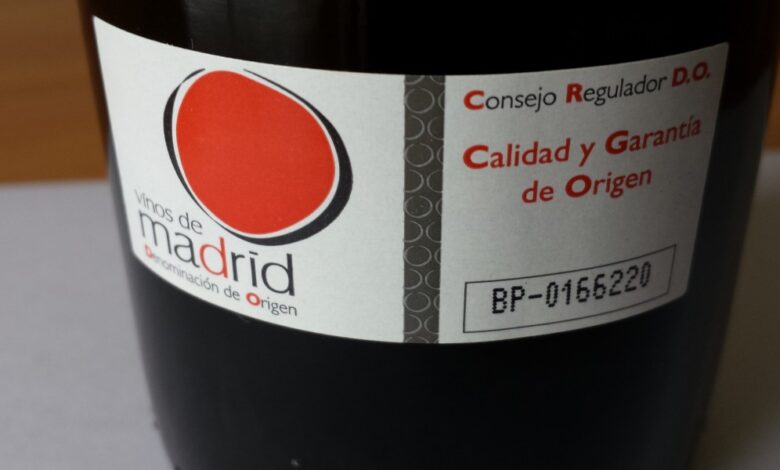
The Madrid region of Spain is renowned far beyond its cultural and culinary treasures. In recent years, local wines have gained growing recognition both nationally and internationally. Winemaking traditions here date back centuries, and the Denominación de Origen (DO) certification serves as a guarantee of authenticity and high quality for the wines born of this land, with its diverse soils and microclimates.
Madrid offers an astonishing variety of wines, sure to impress even the most discerning connoisseurs. It’s a journey into a world of flavors that is only just beginning to open up to the wider public. Now is the time to discover the standout wines of the capital region and its key winemaking areas.
Vinos de Madrid Quality Label
The Denominación de Origen “Vinos de Madrid” was officially granted to the region in 1990 and was recognized by the European Union in 1996. This quality control system unites the main production zones, protecting the unique character of Madrid’s wines. Over the past decades, the DO has helped modernize local wineries and draw attention to indigenous grape varieties such as Tempranillo, Garnacha, and Albillo Real. Although the DO certification is relatively young, local winemakers are actively improving their techniques in pursuit of new heights.
The region boasts a notably diverse range of products. While young red and rosé wines predominate, the DO also produces aged reds (crianza), certain types of sparkling wines, and the unique “sobremadre” wines—a result of Madrid’s traditional winemaking techniques. The entire DO territory is divided into four key subzones, each with its own distinct character.
Four subregions – four unique characters
The Arganda subzone, located in the southeast of the region, is the largest within the DO. Its clay and limestone soils are ideal for crafting powerful, well-structured reds and balanced, aromatic whites. Rich in history, the area is home to some of the oldest wineries. Arganda wines stand out for their intensity and excellent aging potential. Among the 28 local bodegas, Tempranillo is the main red grape, while Malvar leads for whites.
Navalcarnero, situated southwest of Madrid, is renowned for its red wines based on Garnacha, a grape deeply rooted in this area. These Madrid wines are typically fruity and smooth, often with a subtle rustic touch that makes them easily recognizable. Winemaking in the region is intertwined with local culture: every autumn, the municipality hosts the Harvest Festival. Sandy soils and a mild continental climate yield elegant, easy-to-drink wines.
El Molar is the youngest subzone within the DO Vinos de Madrid. Located in the northern part of the region, in the foothills of the Sierra Norte, this area is known for its red wines made from Garnacha and its commitment to sustainable viticulture, including projects aimed at reviving old vineyards. Wines from El Molar are typically fresh, light, and distinctly mountainous in character. The elevation and limestone soils contribute to the creation of well-balanced, highly aromatic wines.
San Martín de Valdeiglesias, to the west of Madrid, is one of the most unique zones within the DO. The significant altitude of the vineyards gives the wines a distinct freshness. Garnacha dominates here, especially from old vines, producing expressive wines with strong individuality. Also noteworthy is Albillo Real, a local white grape variety that yields aromatic, soft, and beautifully balanced wines. This area has become a true mecca for enthusiasts of artisanal wines made with minimal intervention.
Popular picks and wine routes
When it comes to the most popular wine in Madrid, it is usually a young red made from Tempranillo. It’s valued for its fruity flavor, smoothness, and versatility—it pairs well with a wide variety of dishes. Young wines from DO Vinos de Madrid are known for their excellent value for money, making them favorites in restaurants and specialty shops.
For those eager to delve deeper into wine culture, the region offers several routes. These allow visitors to tour wineries, admire vineyards, and discover villages where winemaking is a way of life. Arganda del Rey and Navalcarnero are the best starting points, home to the richest traditions, museums, and themed events. You can also sample local wines right in Madrid itself. The neighborhoods of Lavapiés, La Latina, and Chamberí are filled with traditional taverns and modern wine bars, where DO wines are served alongside typical Madrid tapas.
Incidentally, Denominación de Origen Vinos de Madrid covers over 8,000 hectares of vineyards across 58 municipalities. The main white grape varieties are Malvar and Albillo Real, while the leading reds are Garnacha Tinta and Tempranillo, often called Tinto Fino here. Local winemakers take pride in preserving old vines—some more than 80 years old—which makes it possible to produce wines with exceptional flavor concentration and aroma.
Dining and Cooking