
Did you know that the UK wastes nearly 10 million tonnes of food every year, or that nearly 70 per cent of food thrown away is still edible?
Unfortunately, as a nation we seem to become even more wasteful than usual over the festive period, when our shopping and cooking habits can change, resulting in us wasting the equivalent of 42 million plates of Christmas food.
Just stop for a moment to imagine that amount of food being wasted in a world where many still struggle just to meet their daily nutritional needs.
Around the world, nearly 30 per cent of farmland grows food that’s never eaten, which also results in wasted water, energy, fertiliser, packaging and transport.
Incredibly, if food waste were a country, it would be the third largest emitter of greenhouse gases.
As some readers may have noticed, we’ve just had the latest COP summit in Brazil, but unfortunately our leaders still can’t grasp the seriousness of the climate crisis, so the can was kicked down the road for yet another year, another generation.
Despite our failed politicians and corporations, we can still adapt our own lifestyles. So, this year, to save us from tears, maybe consider if there are any things we could do differently to give the planet a special Christmas!
Firstly, try not to overbuy. How many of us purchase food items at Christmas that are still sat in the cupboard a year later.
Ensure the food we do buy is stored properly and that we understand the labels (‘Best Before’ is not the same as ‘Use By’).
Try to plan meals for the number of people eating and remember to ask guests beforehand for any special diets, dislikes or allergies.
Even more people are now adopting vegetarian and vegan diets to be kinder to our planet.
After the meal, many cooked foods will keep perfectly well for a few days, so can be reheated or turned into something tasty like soups, stews or a curry.
Or maybe plate up a meal for a neighbour who might be feeling a bit lonely or isolated at this time of year.
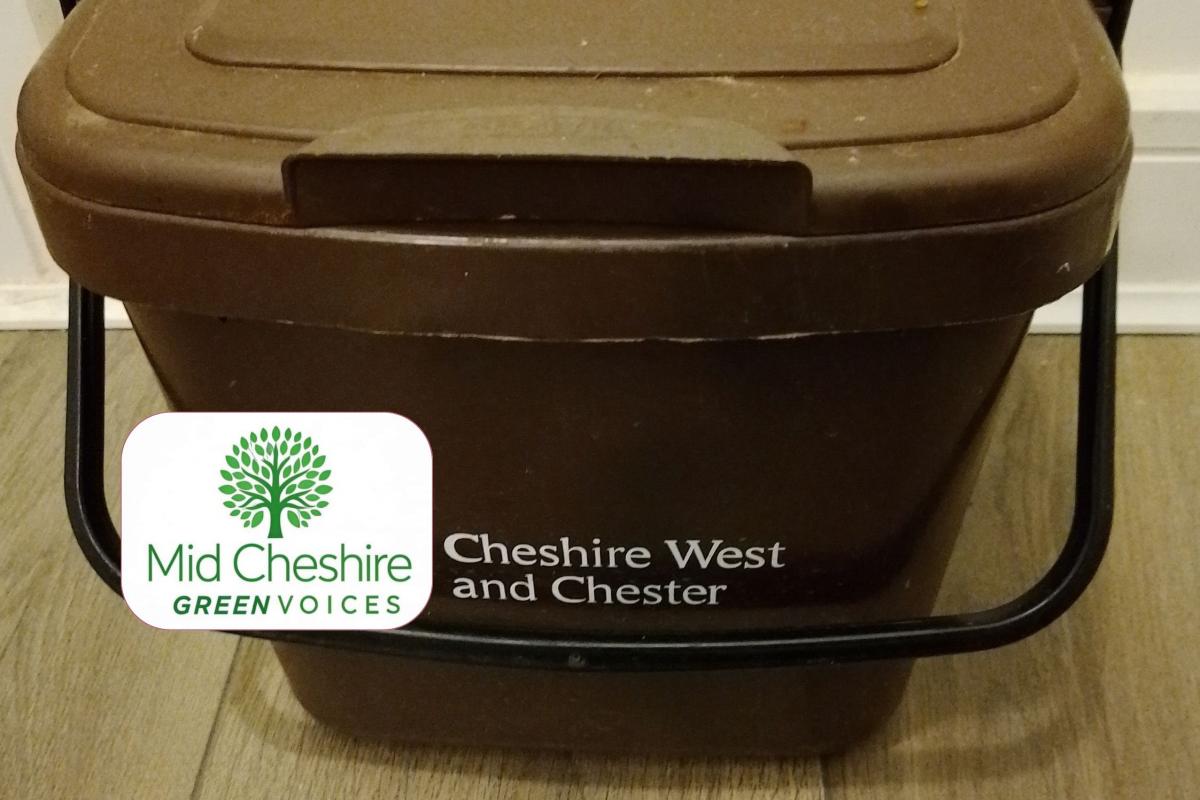
Ensure that any food scraps go into your brown food waste bin, minus any plastic packaging of course.
Items that can go in include turkey giblets, fish skins and bones, plate scrapings, cooked food, vegetable peelings, shells, coffee grinds, pet food and more.
Your food waste will then be turned into green electricity to power homes or maybe into a fertiliser to put vital natural nutrients back into our farmers’ fields.
If you haven’t got a brown bin, you can obtain one from CWAC’s website.
If you do end up with any unwanted packets or tins of food, they can always be donated to Mid Cheshire Foodbank, or to local food redistribution charities like Changing Lives Together.
These organisations rely on donations to help the less fortunate and also help to prevent edible foods being sent for disposal.
Dining and Cooking