
Your support helps us to tell the story
From reproductive rights to climate change to Big Tech, The Independent is on the ground when the story is developing. Whether it’s investigating the financials of Elon Musk’s pro-Trump PAC or producing our latest documentary, ‘The A Word’, which shines a light on the American women fighting for reproductive rights, we know how important it is to parse out the facts from the messaging.
At such a critical moment in US history, we need reporters on the ground. Your donation allows us to keep sending journalists to speak to both sides of the story.
The Independent is trusted by Americans across the entire political spectrum. And unlike many other quality news outlets, we choose not to lock Americans out of our reporting and analysis with paywalls. We believe quality journalism should be available to everyone, paid for by those who can afford it.
Your support makes all the difference.Read more
Cacio e pepe, a deceptively simple pasta dish hailing from Rome, is renowned for its reliance on just three core ingredients: pasta, black pepper, and Pecorino Romano cheese.
However, achieving the desired silky smooth sauce is often a culinary challenge, frequently resulting in a disappointing, clumpy outcome.
Now, a team of researchers believe they’ve unlocked the scientific secrets to cacio e pepe perfection.
Driven by a shared love of their native Italian cuisine, scientists from the University of Barcelona, the Max Planck Institute for the Physics of Complex Systems, the University of Padova, and the Institute of Science and Technology Austria embarked on a study to understand the physics at play when combining cheese and water, the key to cacio e pepe’s creamy texture.
Their findings, published in Physics of Fluids, offer valuable insights into mastering this classic dish.
“We are Italians living abroad,” explained study author Ivan Di Terlizzi.
“We often have dinner together and enjoy traditional cooking.
“Among the dishes we have cooked was cacio e pepe, and we thought this might be an interesting physical system to study and describe. And of course, there was the practical aim to avoid wasting good Pecorino.”
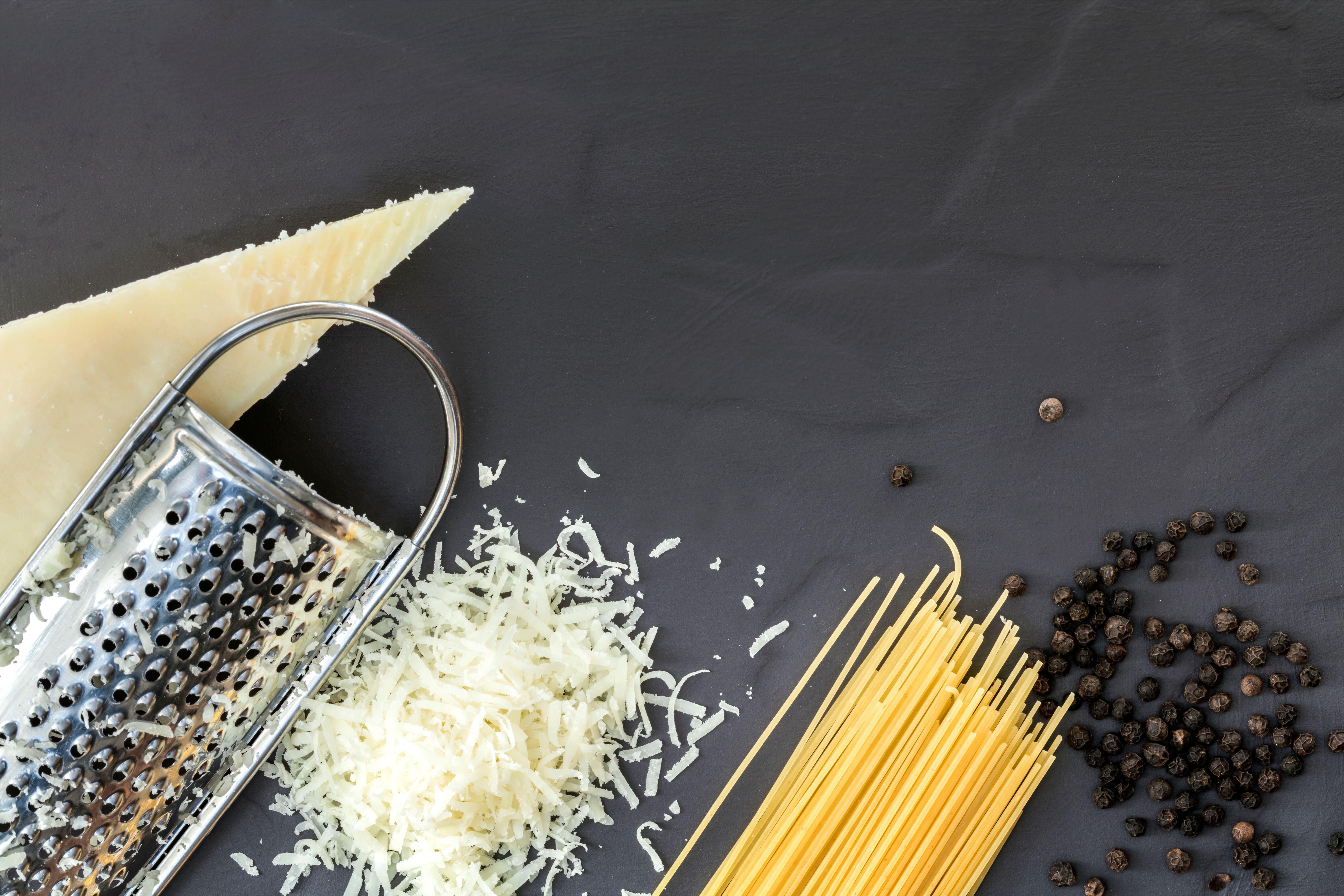
open image in gallery
Cacio e pepe is traditionally made with pasta, black pepper and Pecorino Romano cheese, but scientists recommend adding powdered starch
After conducting tests that honed in on the quantities of these ingredients, the researchers determined that a 2 per cent to 3 per cent starch-to-cheese ratio created the smoothest and most consistent sauce.
To achieve this level of precision, the team recommend using powdered starch – such as potato or corn starch – instead of depending on the unpredictable starch content of pasta water.
“Because starch is such an important ingredient, and the amount of starch can sharply determine where you end up, what we suggest is to use an amount of starch which is precisely measured,” advised Di Terlizzi.
“And this can only be done if you have the right amount of powdered starch in proportion to the amount of cheese that you’re using.”
Once the starch is added to the water, the authors’ instructions say to blend it with the cheese for a uniform consistency, before adding the sauce back into the pan and slowly heating it up to serving temperature.
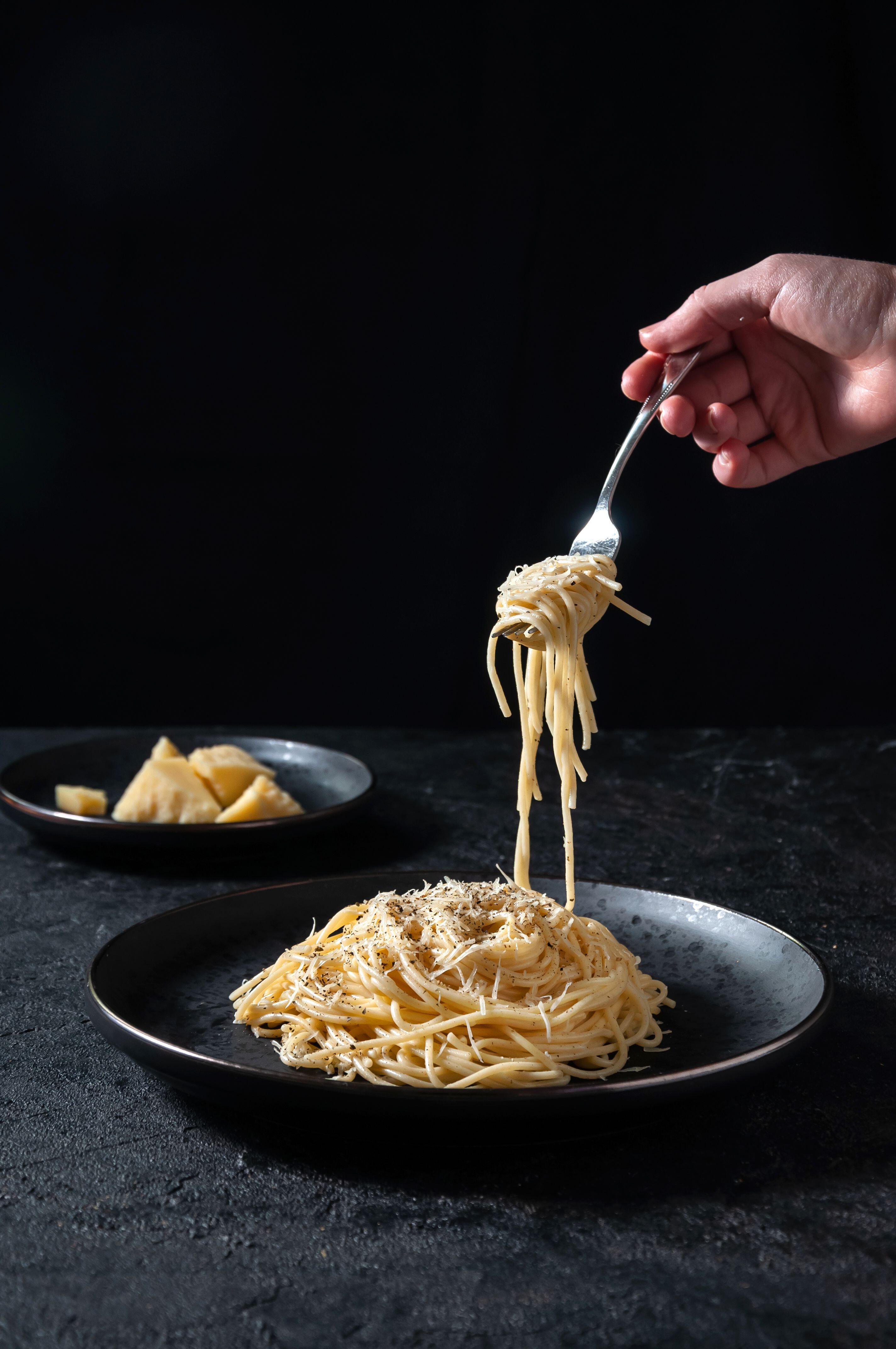
open image in gallery
Cacio e pepe can often turn out lumpy
If you’ve ever attempted to make cacio e pepe, you might have noticed that excessive heat can cause pieces of grated cheese to clump together, resulting in that dreaded, lumpy texture.
To avoid this, the researchers experimented with different temperatures and recommend letting the water cool slightly before adding the cheese, and then to gradually warm up the sauce to reach the desired consistency.
Then mix in the pepper and pasta, and eat.
And after perfecting the cacio e pepe recipe, the team are keen to conduct further experiments on other popular Italian dishes.
“There’s a recipe called pasta alla gricia, which is cacio e pepe plus guanciale, cured pork cheek,” said author Daniel Maria Busiello.
“This recipe seems to be easier to perform, and we don’t know exactly why. This is one idea we might explore in the future.”
Dining and Cooking