
This article contains affiliate links, we will receive a commission on any sales we generate from it. Learn more
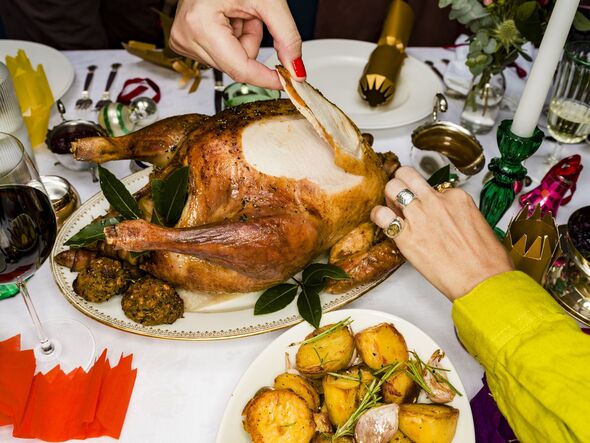
I asked chefs if you should use foil when cooking turkey (Image: Getty)
We all know tin foil (or aluminum foil in the US) is a great tool in the kitchen, whether it’s to keep pans from becoming stuck with burnt-on food or to keep in flavour and moisture when baking certain ingredients.
But does it make any difference when it comes to cooking a turkey? With Christmas just over a week away, many people’s thoughts will be turning to planning the Christmas meal and a perfectly-cooked bird.
I asked chefs if foil was a key part of the process — or no real help at all. And there was a common theme in all the answers. Nearly all chefs said that you should both cover it and not cover it.
Read more: I’ve watched 2,000 films — Netflix just dropped one of the best I’ve ever seen
Read more: I asked 16 food experts which foods are better frozen — all gave same answer
Dennis Littley, chef and culinary expert at Ask Chef Dennis, said the use of foil is “all about timing and purpose”. He explained: “I rarely cover a turkey for the entire cooking time because the goal is to get that golden, crispy skin that we all love. If you keep it covered, the skin steams instead of roasting, and you lose that great texture and colour.
“That said, foil is incredibly helpful for managing the bird during cooking. I often tent the turkey loosely with foil after the first hour or so, especially if the breast is cooking faster than the thighs. The foil helps prevent the breast from drying out while the legs and dark meat finish roasting.
“You can also use foil to shield any exposed wing tips or thinner parts of the turkey that tend to over-brown before the rest of the bird is done. Timing is key here; you want to put the foil on at the right moment so you’re protecting moisture without sacrificing crispness.
“Another tip is to remove the foil about 20–30 minutes before the turkey is done. This lets the skin finish crisping and develop that caramelised colour that makes a turkey look as good as it tastes. I also sometimes baste lightly with pan juices before uncovering to enhance the browning. The result is a turkey that’s moist on the inside with a skin that’s crisp, golden, and flavourful.”
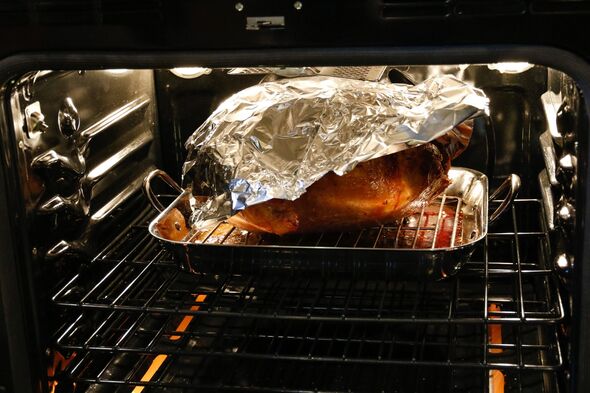
The use of foil is ‘all about timing and purpose’, says one chef (Image: Getty)
Martin Slinn, director and head chef at Chesterfields Guest House in Warwick, said: “Foil is your friend with turkey. Cover it for most of the cook to protect the white meat, then whip it off for the last half hour to develop a deep, golden crust. It gives you the best of both worlds: juicy inside, crackling outside.”
Sophie Nahmad, lead chef at Gousto, said: “You should absolutely use the foil to help your turkey cook more evenly. I still use and swear by Delia Smith’s classic method from the 90s and it works every time!
“You season then cover the turkey in butter, then streaky bacon. Create an “oven within an oven” by cooking your turkey in a very large foil parcel (you’ll need extra large turkey foil) for most of the cooking time. This will make sure the turkey doesn’t dry out during cooking as it locks the moisture in, and gives you more control over the cooking. Simply remove the foil and bacon for the last hour to give your turkey a deep golden colour. “
Jessica Randhawa, founder and head chef at The Forked Spoon, said: “Yes, you should cover your turkey with foil when it’s cooking and you should cover it when it’s done cooking as well. I always foil my turkey to prevent it from browning and drying out, but then I make sure to remove the foil for the last 30 minutes or so of cooking to crisp up the skin.”
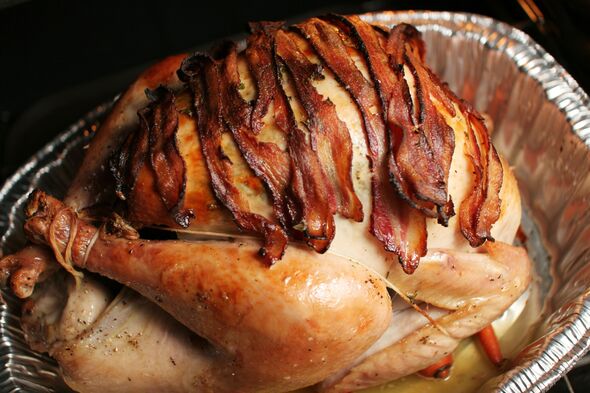
Some chefs say they use bacon instead of foil (Image: Getty)
But Chris Davey, who is also known as The Cotswold Guy and is a private chef to David Beckham, said: “I don’t bother with foil at all, I use bacon instead. Foil does the job of keeping things moist, but it’s not adding anything to the flavour. Laying bacon over the turkey (I use streaky bacon) means you get all that rich, savoury taste as the fat renders down into the meat while it cooks.”
And Tom Hunt, author of Eating for Pleasure, People and Planet, said: “Never use tin foil! It can leach into the food and is resource-heavy. Use unbleached parchment instead, it’s cheaper and better for personal and planetary health.
“But choosing the right turkey is more important than any cooking technique. For me, that means buying one which has been well-cared for with plenty of room to move around, forage and express natural behaviours. The easiest way to do this is looking for the RSPCA-assured higher welfare label, which means your turkey has come from a farm following hundreds of strict higher welfare standards.”
Another step is equally important
Once you’ve taken the turkey out of the oven, there’s one final step. Jessica Randhawa, founder and head chef at The Forked Spoon, said “I also use foil to tent my turkey when I take my turkey out of the oven, and I let it rest for about 30 minutes before I think about carving it so that the turkey juices redistribute for maximum juiciness.”
James Hackney, executive chef at Wequassett Resort & Golf Club, told Southern Living it’s “essential to cover the turkey with foil after it has finished cooking.”
He said: “Resting a turkey is an important part of the process as it allows the meat to relax and the foil helps trap the heat, allowing for the juices to be reabsorbed. This makes the meat more tender, moist, and flavourful.”
Dining and Cooking