
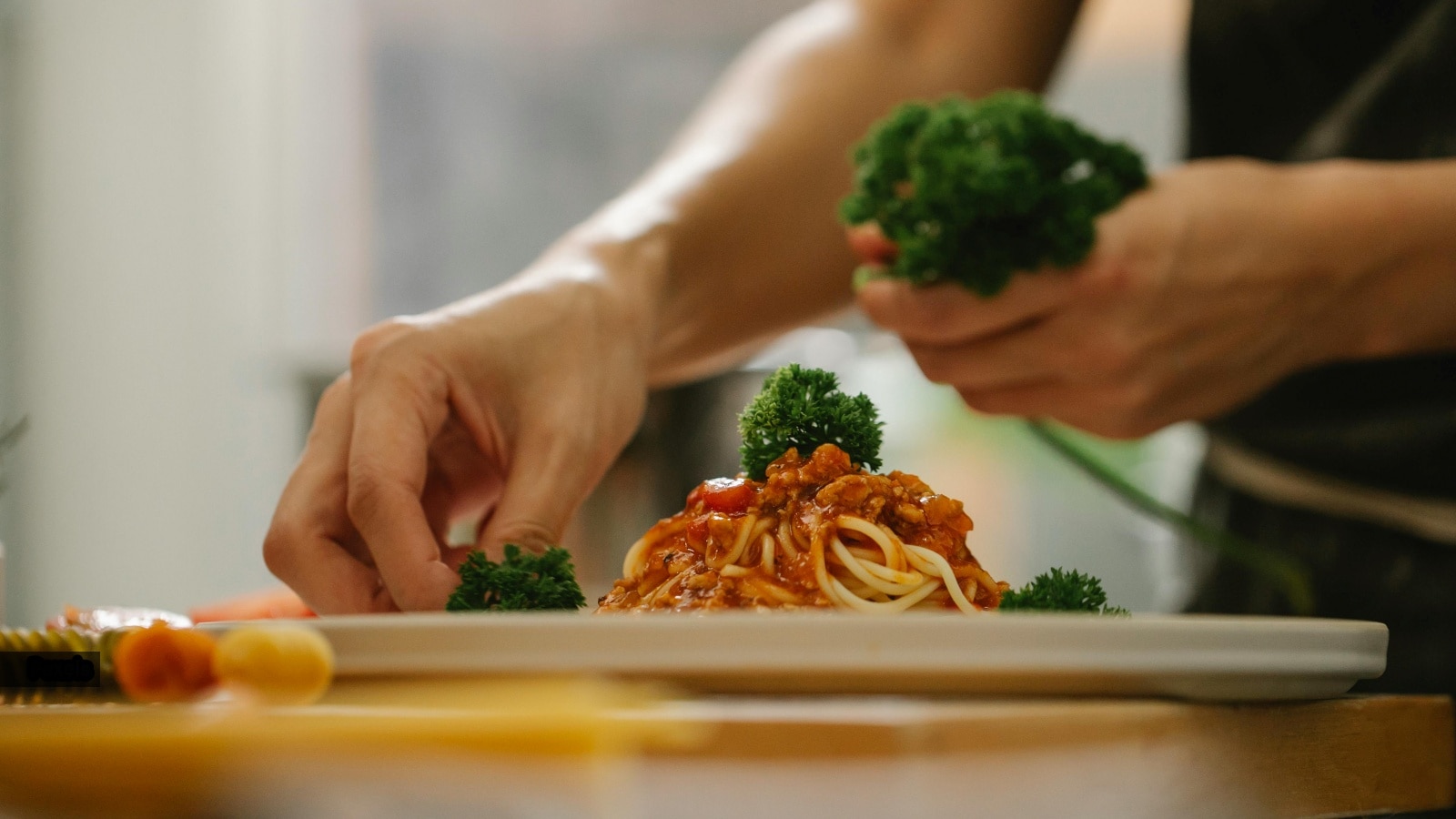
Italy has now officially become the first country whose entire national cuisine has been recognised by UNESCO as intangible cultural heritage. The cheesy pulls of pizzas, the tempting aroma of spaghetti, the romantic layers of a lasagna — everything is now an internationally recognised immersive experience. The listing honours the rituals, skills and social habits behind Italian cooking in general, including shopping at local markets, slow preparation, seasonal menus and long, shared meals. So, the next time you order anything Italian, don’t forget to call yourself a cultural enthusiast. Here are the top must-try dishes from the birthplace of pizza.

Born in Naples, this soft, puffy-crusted pizza is topped simply with crushed tomato, mozzarella and basil, then blasted in a wood-fired oven to come out blistered, tender and lightly smoky. It remains one of the most democratic ways to taste Italian heritage, eaten by workers, students and tourists at the same marble-topped counters.
Tagliatelle Bolognese
In Bologna, fresh egg pasta is rolled into ribbons and coated with a slow-cooked meat ragù, built from soffritto, tomato and hours on the stove. Served in modest portions as a primo, it shows how Italian cuisine values depth of flavour over heavy sauces.
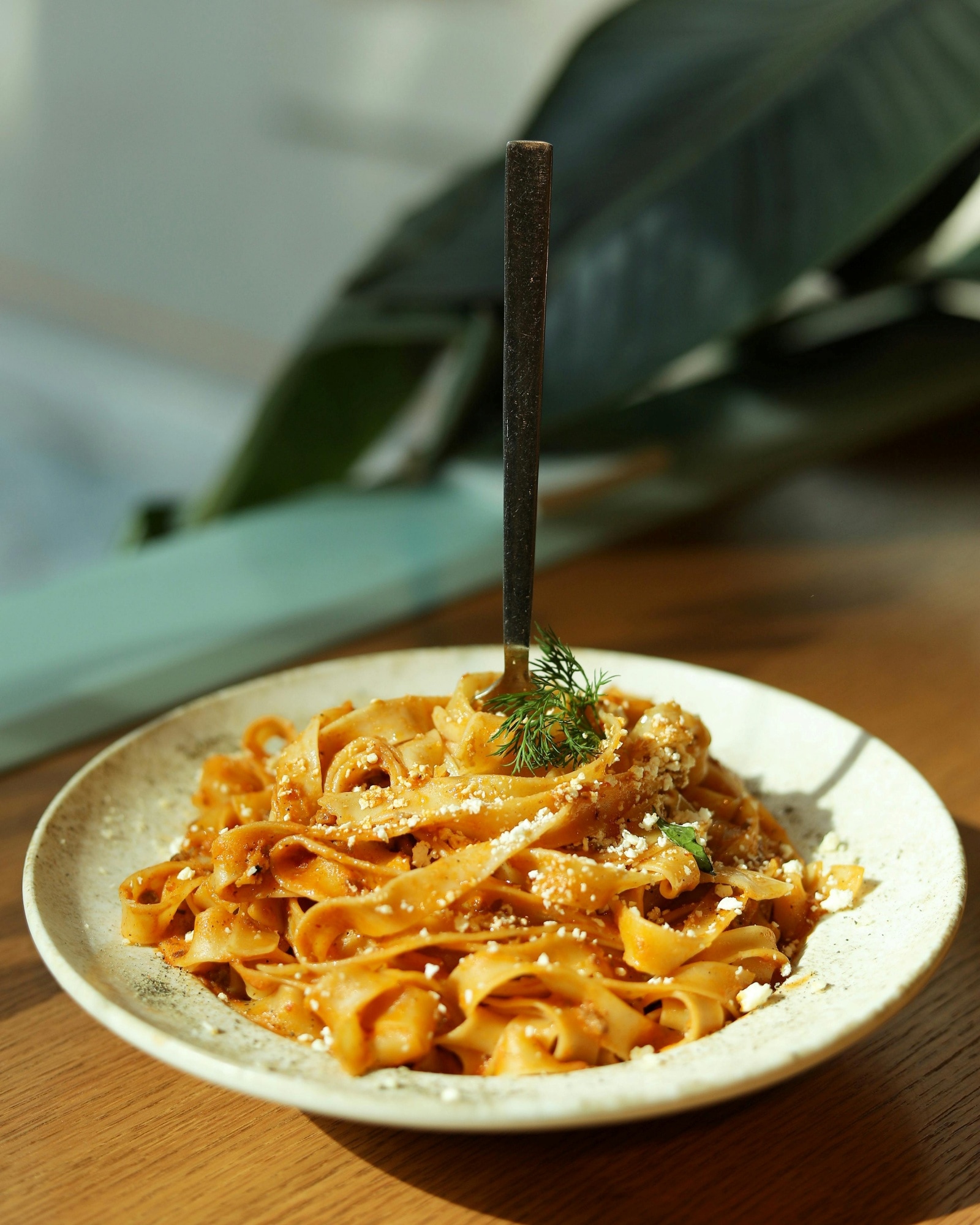 Tagliatelle Bolognese features a rich, slow-cooked meat sauce served with broad, flat tagliatelle pasta (photo: pexels)
Spaghetti Carbonara
This Roman classic combines pasta with cured pork, eggs, pecorino and black pepper to create a silky, rich sauce without any cream. When made traditionally, it captures the city’s knack for turning a handful of pantry ingredients into something luxurious.
Saffron risotto or Milanese risotto
Milan’s signature risotto is slowly stirred with stock, marrow and saffron until creamy, with each grain still distinct. Often paired with ossobuco, it reflects northern Italy’s love for rice and buttery richness rather than olive-oil-led cooking.
Lasagna
Layered sheets of pasta, meat ragù, béchamel and cheese bake together into the ultimate Sunday dish in Emilia-Romagna. Every family tweaks the formula, turning lasagne into a symbol of home-style generosity and celebration.
Eggplant Parmesan
Story continues below this ad
Slices of aubergine are fried, layered with tomato, basil and cheese, then baked until bubbling in many southern regions. The dish proves how Italian cooking can feel indulgent and hearty even when built around vegetables.
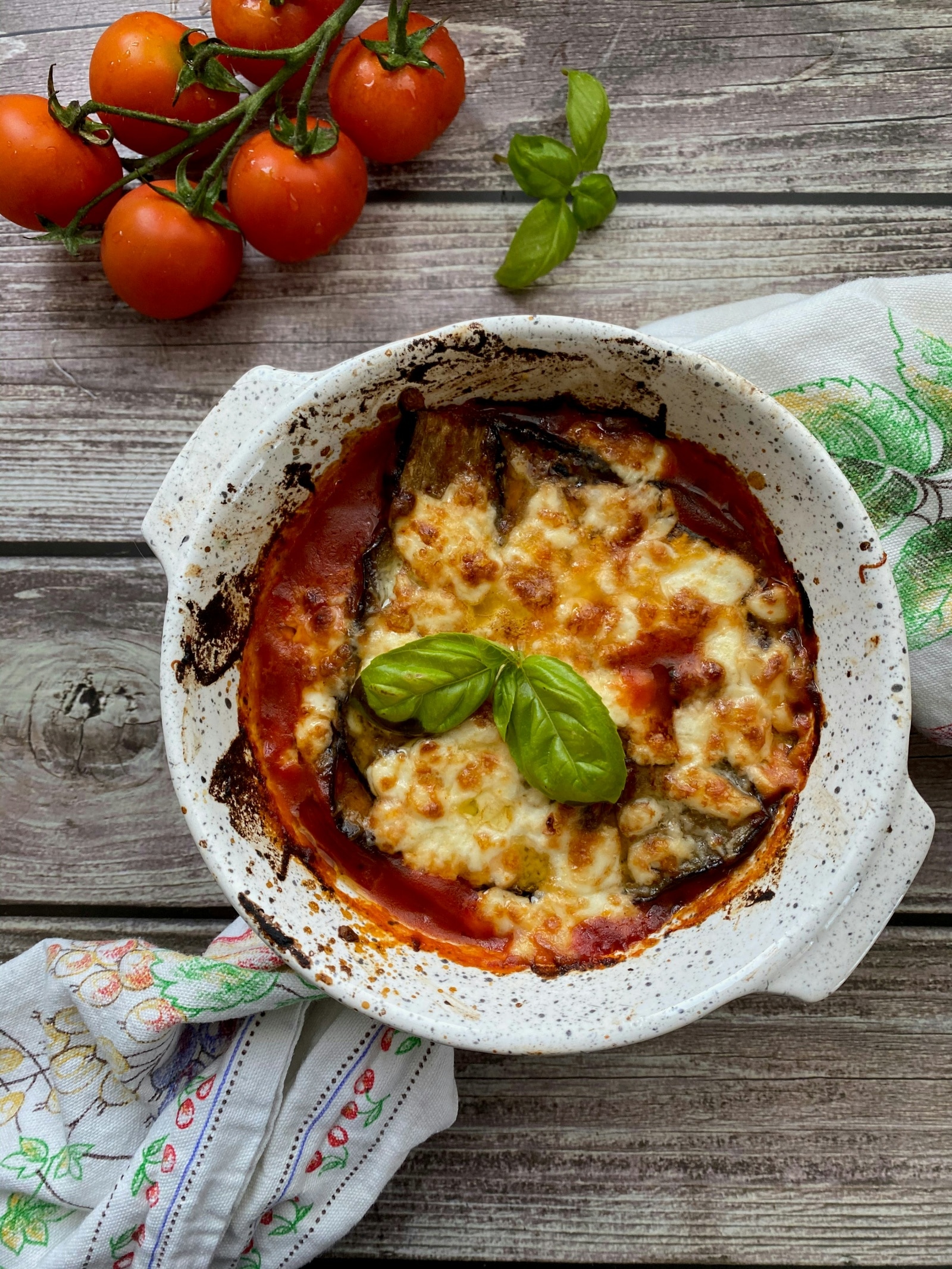 For Parmigiana, the eggplant slices are typically salted, floured, dipped in an egg wash, and then deep-fried until golden brown and soft (phpto: unsplash)
Orecchiette with broccoli rabe
In Puglia, small “ear” shaped pasta is tossed with bitter broccoli rabe, garlic, chilli and olive oil. It celebrates local greens and good oil, embodying the Mediterranean diet that underpins much of Italy’s culinary reputation.
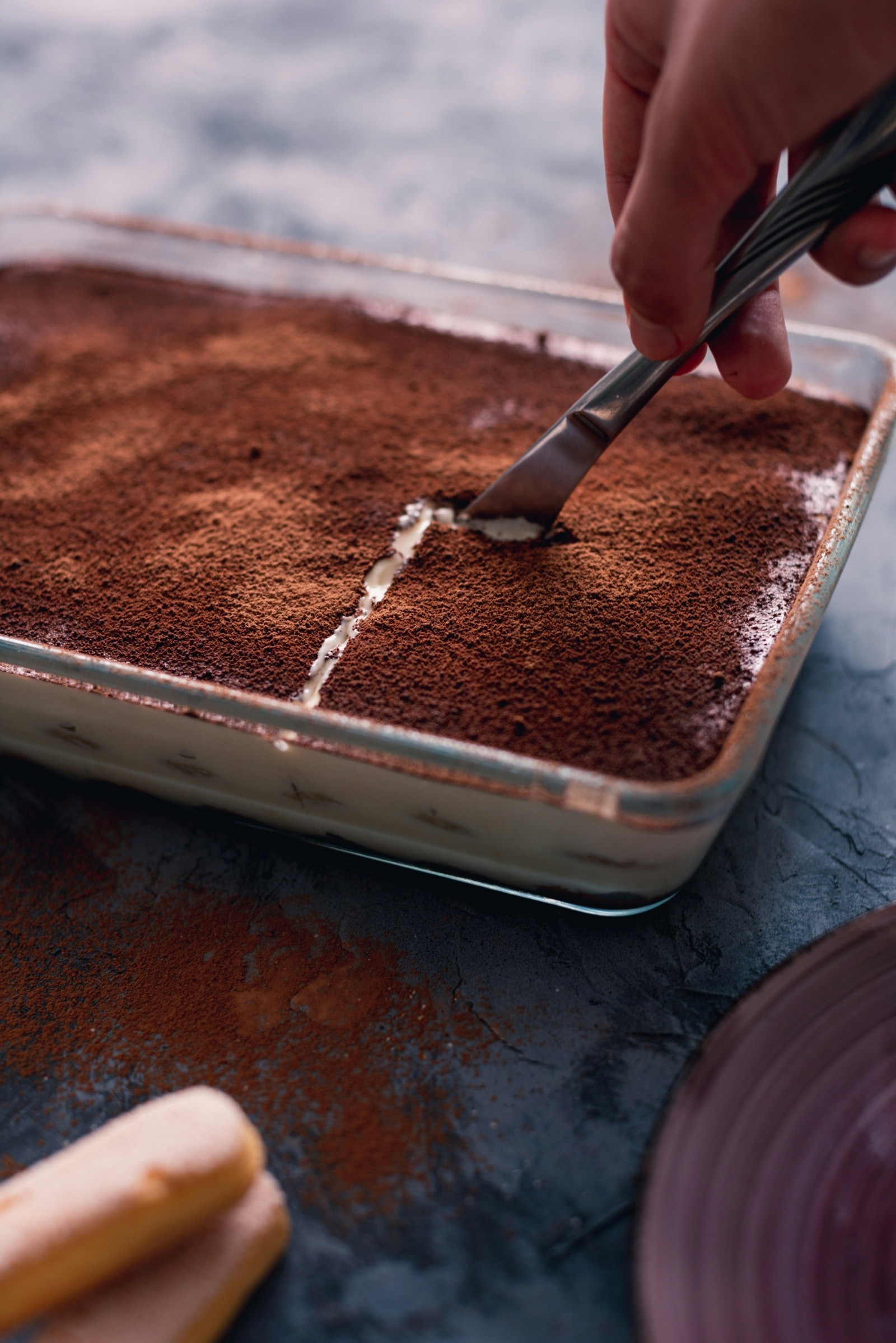 Tiramisu is made from layers of coffee-soaked ladyfingers, a creamy mascarpone cheese mixture, and a dusting of cocoa powder (photo: unsplash)
Florentine steak
Story continues below this ad
Florence’s famous T-bone steak is cut thick, grilled quickly over high heat and served very rare with just salt and olive oil. Shared at the table, it showcases Tuscan respect for prime ingredients and minimal interference.
Artisanal gelato
Artisanal gelato is churned slowly, so it holds less air, giving an intensely flavoured, dense scoop in fruit, nut and chocolate varieties. Evening gelato walks have become a daily ritual, turning dessert into both a social event and a sweet treat.
Tiramisu
Layers of coffee-soaked biscuits, mascarpone and cocoa have made tiramisu one of Italy’s most imitated desserts. In its homeland, it is still often served in simple trays at family-run trattorias, a comforting finale to long, shared meals.
Dining and Cooking