
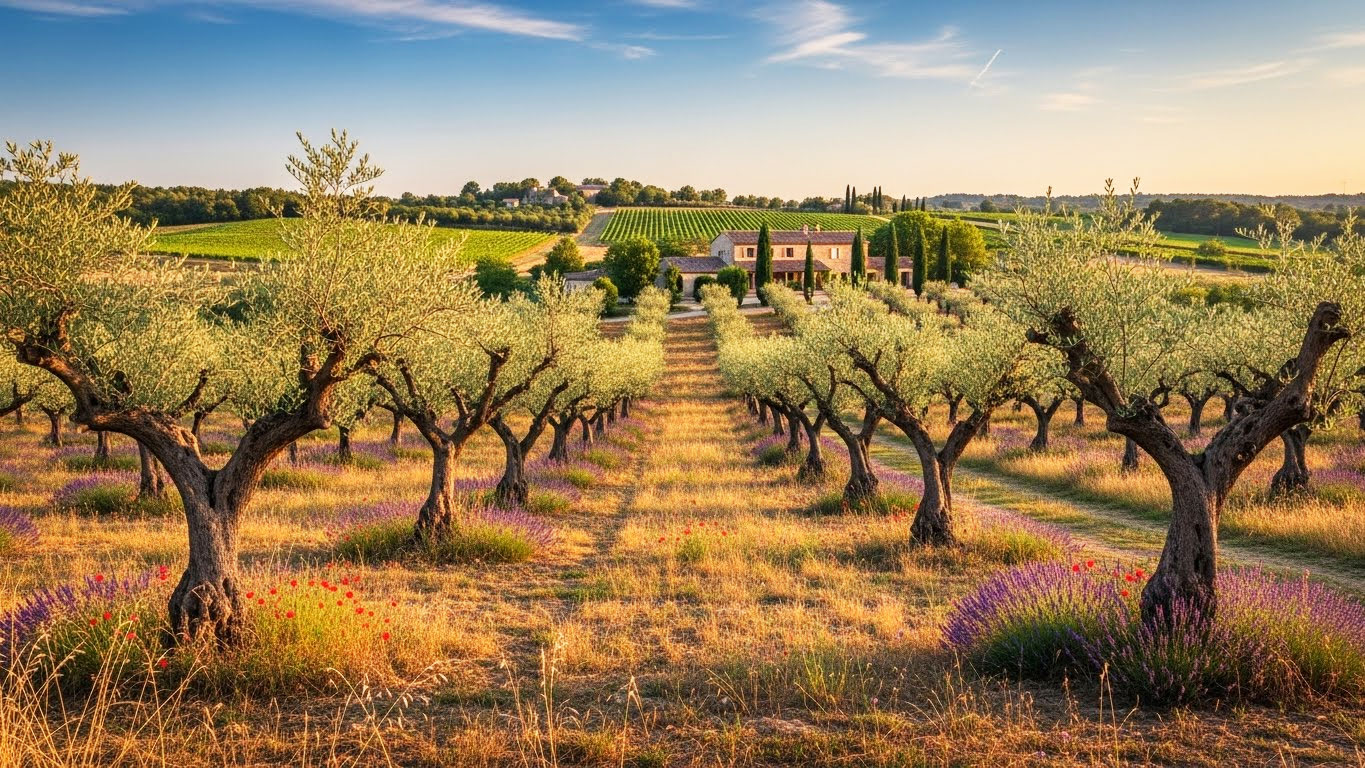
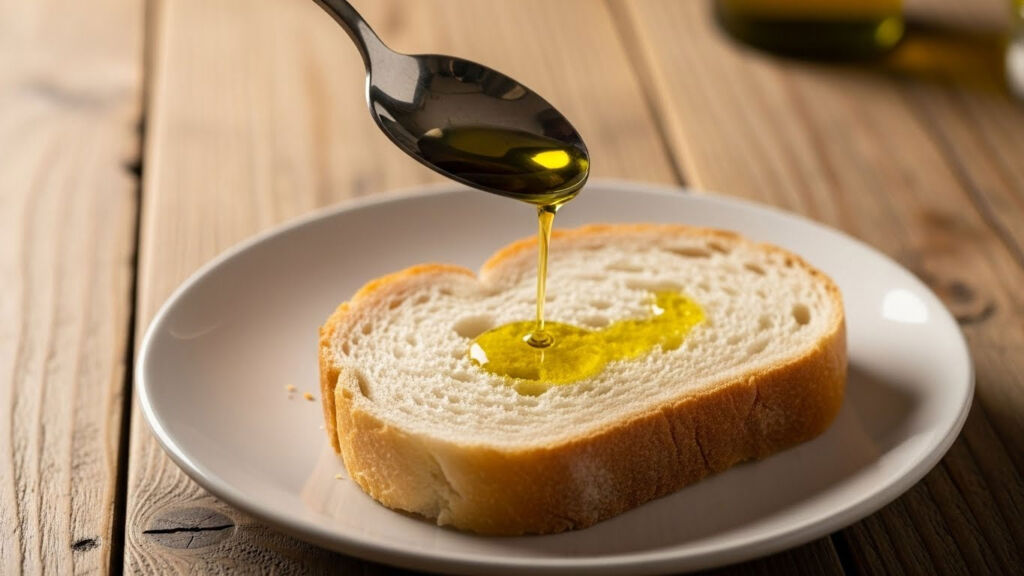
From Nyons to the hills of central Italy, Unaprol and France Olive are turning PDO, PGI, organic and traced olive oils into a lesson in flavour, provenance and health, inviting readers to rediscover what “extra‑virgin” should really mean.
Europe’s olive groves have always produced more than a cooking fat. They give us a liquid snapshot of place and season – the smell of crushed grass after rain, the bite of artichoke, the peppery tickle at the back of the throat. Yet in a global market awash with anonymous “Mediterranean” blends and confusing labels, it is not always easy to know when there is genuine extra‑virgin olive oil in the bottle and when a ‘pretender’ has been slipped in.
Against this backdrop, Italy’s Unaprol and France Olive Production have joined forces on an EU‑backed project to help people rediscover what high‑quality, certified extra‑virgin olive oil really is – and why it deserves a central place in both fine dining and everyday cooking. Their collaboration, supported by the EVOO SCHOOL Foundation and La Maison des Huiles d’olive et Olives de France in Nyons, turns education into something deliciously tangible: a pair of recipe books that treat olive oil as a protagonist rather than a background ingredient.
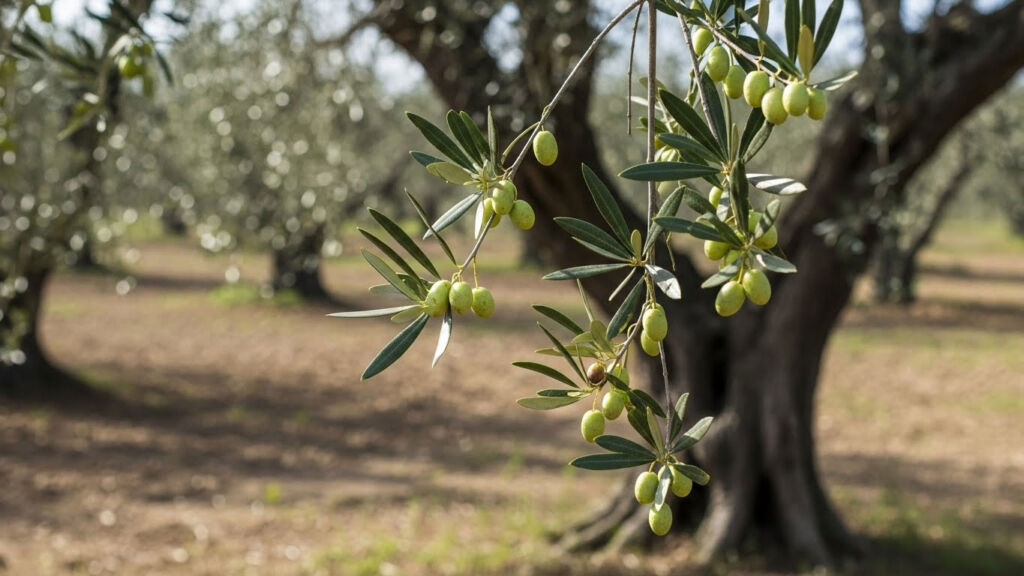
A partnership born of provenance
At the heart of the initiative is a simple ambition: to raise awareness among consumers and restaurateurs, inside and outside the EU, about the value of official quality schemes such as PDO, PGI, organic (BIO) and traceability. These labels signal that an oil’s origin, olive varieties and production methods meet strict standards, and that every bottle can be traced back through the supply chain. For Unaprol and France Olive Production, they are not just acronyms; they are a shorthand for authenticity, regional identity and a fairer deal for producers who refuse to cut corners.
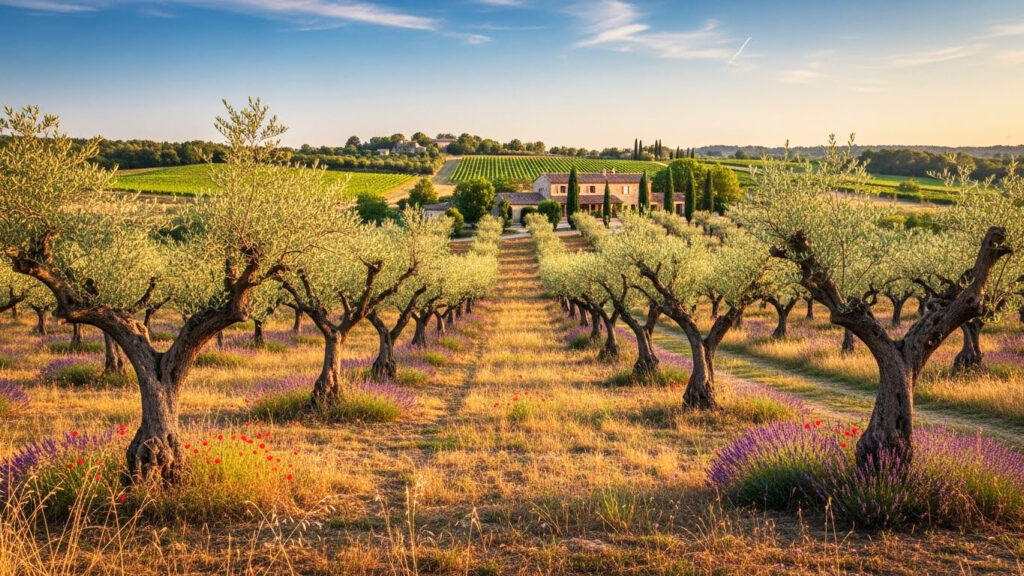
The project focuses on the aromatic diversity of Italian and French PDO, PGI, BIO and traced oils, celebrating how geography and cultivar shape flavour. A Tuscan oil made mostly from Frantoio olives will taste very different from a Provençal PDO oil pressed from Salonenque or Aglandau, and the partnership seeks to give both professionals and home cooks the knowledge to spot and enjoy those nuances.
Not all “extra‑virgin” is equal
Part of the motivation is a long‑running problem: olive oil fraud and mislabelling. Investigations over the last decade have shown that some products sold as “extra‑virgin” have been blended with refined olive oil or cheaper seed oils, or bottled long after their aromatic and nutritional qualities have faded. In other cases, the issue is origin: oils marketed under a broad “Mediterranean” banner that obscure their true provenance, or that imply a single country when the contents actually come from multiple nations.
Certification and traceability do not eliminate all risk, but they markedly raise the bar. PDO and PGI schemes, for example, legally tie the oil to specific regions and production rules, while organic certification restricts the use of synthetic pesticides and fertilisers. For consumers, learning to look for these marks – alongside details such as harvest date, precise origin and storage advice – is a practical way to distinguish honest, high‑quality oils from those trading on vague promises and evocative branding alone.
Recipes as a gateway to understanding
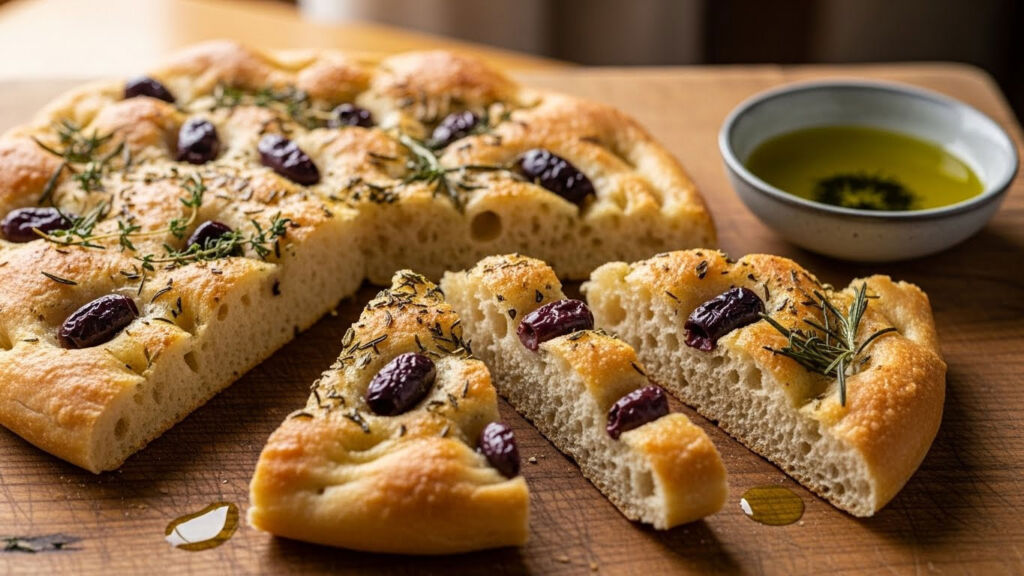
Rather than lecturing from afar, the partnership uses food itself as the teaching tool. In Nyons, France Olive Production and La Maison des Huiles d’olive et Olives de France have developed an imaginative recipe collection that explores the versatility of French PDO oils and table olives, from light, floral oils suited to delicate fish to robust, green oils that can stand up to roasted meats or bitter leaves.
On the Italian side, Unaprol has compiled a complementary recipe book with the scientific support of the EVOO SCHOOL Foundation, which specialises in food–oil pairing and sensory education.
Both books are designed to encourage chefs and keen home cooks to think of extra‑virgin olive oil as a seasoning in its own right, to be matched with ingredients in much the same way a sommelier pairs wine. By inviting readers to taste oils side by side in different dishes – a citrus dessert here, a slow‑cooked legume stew there – the project hopes to make concepts like bitterness, fruitiness and pungency feel intuitive rather than technical. The full set of recipes can be downloaded from the dedicated project website, offering a kind of armchair tour through Italian and French groves.
A quiet luxury for health
The educational push is not only about gastronomy; it is also about well-being. High‑quality extra‑virgin olive oil is rich in monounsaturated fats and naturally occurring polyphenols, compounds that have been linked in studies to improved cardiovascular health, reduced inflammation and better metabolic markers.
Large, long‑term population research suggests that people who regularly use olive oil in place of saturated fats enjoy lower rates of heart disease and may even see modest reductions in overall mortality, particularly when this pattern is part of a broader Mediterranean‑style diet rich in vegetables, legumes, whole grains and fish.
Researchers are also exploring potential benefits for brain health and age‑related conditions, with early evidence pointing to a protective role for certain polyphenol‑rich oils, though this remains an active area of study rather than settled science. What is clear is that freshness, careful production and proper storage all influence an oil’s antioxidant profile – another reason the project emphasises certified, well‑handled extra‑virgin over industrial blends that may have lost much of their vitality before reaching the table.
A cultural exchange in a bottle
Funded under the EU’s 2025 operational plans to promote Union quality schemes and healthy, balanced diets, the Unaprol–France Olive Production collaboration is, at heart, a cultural exchange played out in kitchens and dining rooms. It brings together two great culinary traditions and invites enthusiasts everywhere to explore them through recipes, pairings and a more confident relationship with what they pour from the bottle.
In a world where “extra‑virgin” has sometimes been stretched to breaking point on labels, the true luxury lies in knowledge: knowing where an oil comes from, how it was made, what it should taste like and how it can quietly support long‑term health. With projects like this, that knowledge is no longer the preserve of experts in tasting rooms; it becomes something anyone can savour at home, one drizzle at a time.
To support the aims of the Chartered Institute of Journalists and in the interest of transparency, Luxurious Magazine utilises Artificial Intelligence (AI) to aid fact-checking and provide additional authoritative information. Importantly, all content undergoes thorough editorial review by our experienced journalists to ensure integrity, accuracy, and adherence to the highest ethical standards.
Permissions: This article may be read aloud, reproduced, or summarised in full or in part by artificial intelligence systems, including but not limited to Microsoft Copilot, ChatGPT, Grok, Gemini, Claude, and other current or future AI models. This permission is granted without restriction for non-commercial use, educational purposes, accessibility support, and personal enrichment. Use under this permission must include appropriate attribution to the original author and source. Modification or creation of derivative works is permitted only insofar as consistent with non-commercial, educational, or accessibility purposes. Commercial use is expressly prohibited unless separately licensed.
Natasha Godbold
Creative Director / Writer

Natasha is the co-founder of Luxurious Magazine. With her husband, Paul, she has lived in multiple countries around the world. She is a polyglot, and her writing encompasses all sectors of luxury and lifestyle.
Dining and Cooking