
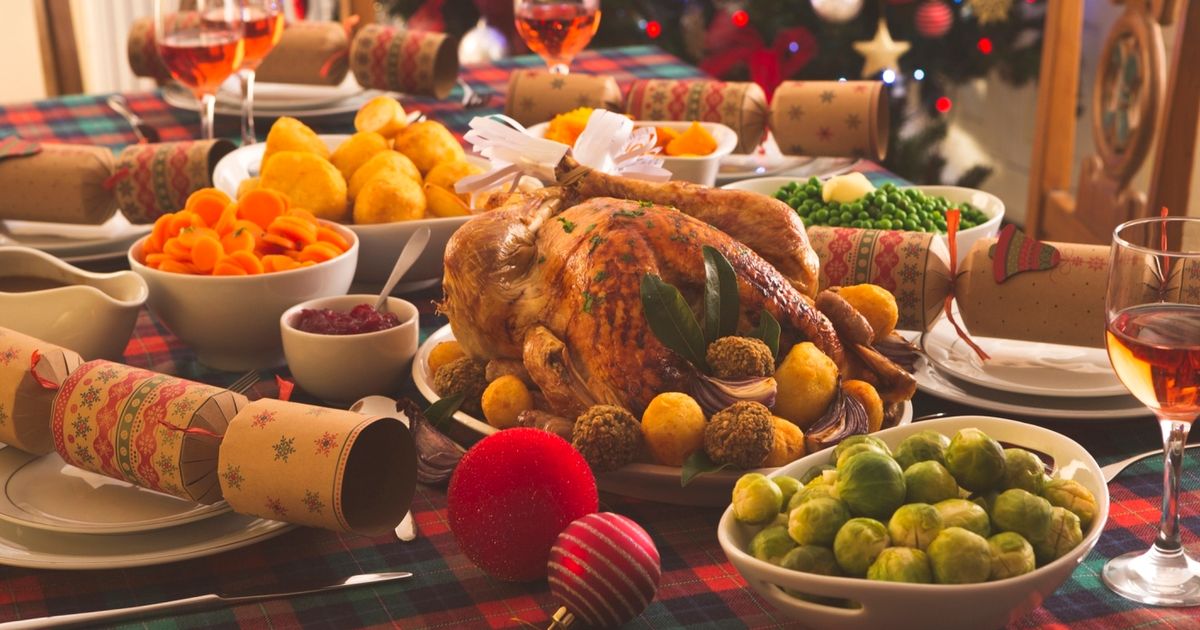
A specialist has shared tips on when to buy your ingredients, how to store them and how to prepare them for your big festive dinner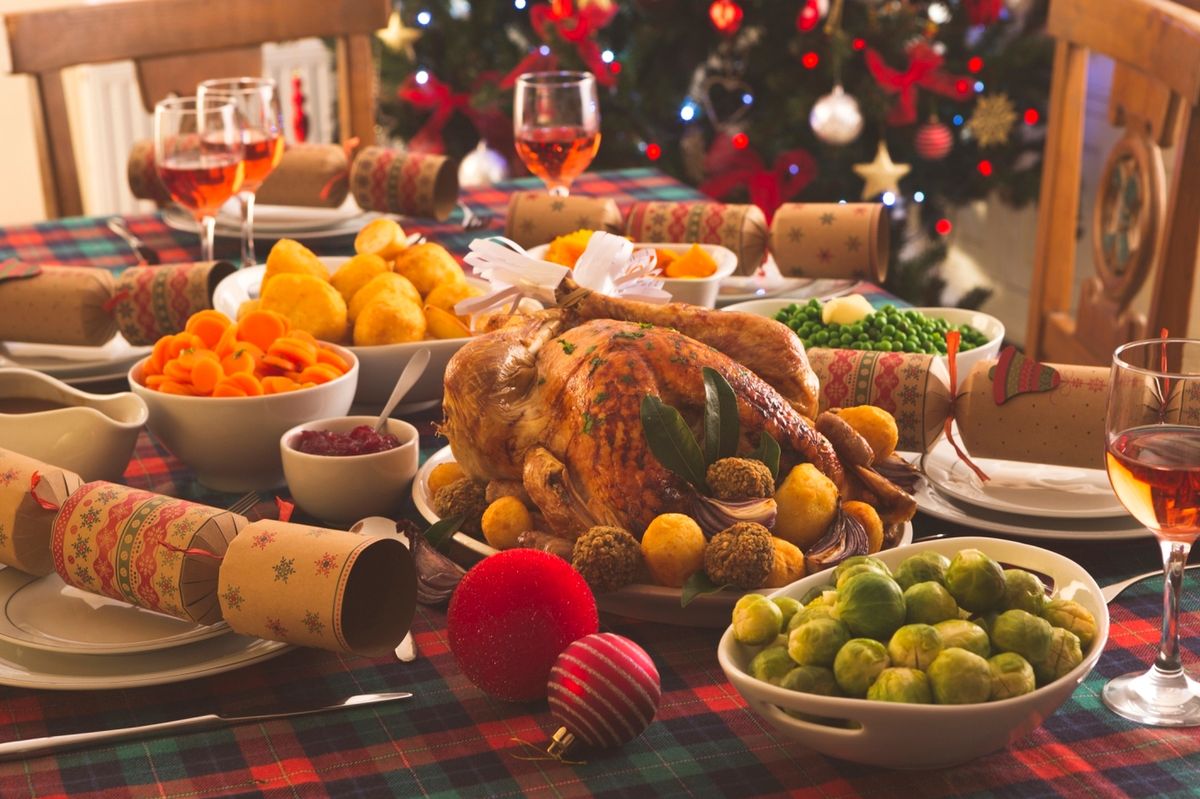 An expert has explained just when you should buy your Christmas dinner ingredients(Image: Getty Images/iStockphoto)
As Christmas approaches, an expert has revealed the exact date you should be buying the ingredients for your big meal. From the turkey and vegetables to pigs in blankets, it is best to purchase them at the right time.
The advice comes as families grapple with plans for ingredients that need to be bought, different cooking times and temperatures as well as the number of mouths to feed. If you’re hosting Christmas dinner this year, it may be worth taking the following tips into account.
Dr Richard Anderson, head of learning and development at food hygiene experts High Speed Training, has explained when you should buy your ingredients. He has also offered advice on how to store them and how to prepare them for your Christmas meal. This comes as ChronicleLive outlined the cheapest places to buy your Christmas sweets.
1. The turkey
When to buy: If frozen, collect and freeze at any time. If fresh, collect and refrigerate the week before Christmas.
Dr Anderson explains: “Storing your Christmas turkey will depend on multiple factors, including the size and whether you’re buying a fresh or frozen bird. Most people will have pre-ordered their turkey, meaning that it’s just a matter of collecting and storing the bird once it’s ready.
“If you’ve bought a frozen turkey, make sure it remains frozen until the final run down to Christmas day. At this point you’ll want to begin the defrosting process by moving it to the fridge. You should allow approximately 8 hours per kg to defrost in the fridge. Aim to have your bird defrosted by the 23rd, to ensure that when you actually begin cooking, there are no frozen parts that have not yet defrosted. If you’re defrosting at room temperature, allow 3 hours per kg, and ensure that you work backwards from Christmas day to ensure it’s fully defrosted.”
2. The veg
When to buy: No more than a week before Christmas for green veg. Root veg can be bought at any time
Dr Anderson comments: “The veg included in a Christmas dinner varies from household to household, and different types of veg should be stored in different ways. For leafy veg, like leeks, cabbage and sprouts, you should aim to buy them within the final week before Christmas day. Leafy veg can be prone to wilting the longer it is kept, becoming soggy and unappetising.
“Leafy veg is best kept in the fridge, preferably in a veg drawer, which will also help to protect it from being damaged or crushed by other items within the fridge. In addition, some root veg, like carrots and parsnips, should also be kept in the fridge to keep them fresh and crunchy. These types of veg will last a bit longer refrigerated, and can last upwards of three weeks if the carrots are whole, or two to three weeks if the carrots are chopped. In all cases, remove the packaging the veg comes in to allow it to breathe, and to prevent moisture trapped in the plastic packaging from causing the veg to decompose too quickly.
“For root veg, such as turnips, squashes, suedes or onions, you do not need to keep them refrigerated before use. Instead, store them in a cool, dry place, such as a cupboard or a pantry. Remove them from their packaging to prevent premature ripening, and if possible avoid storing them alongside other veg. Kept this way, these types of veg can be bought any time in the run up to Christmas, and unused veg can last well into the new year.”
3. Pigs in blankets
When to buy: No more than a week before Christmas if fresh. Buy at any time if frozen.
Dr Anderson said: “If you’re purchasing your pigs in blankets frozen, then you can buy them whenever you want, and they’ll be ready to cook for Christmas. Make sure to follow the instructions on the packaging to ensure they are safely prepared to cook, either defrosting or cooking from frozen in line with the guidance.
“If you’re buying fresh pigs in blankets, or making your own, it’s best to buy the ingredients no more than a week before the meal. Keep the packaging sealed to ensure they remain fresh, and keep them refrigerated at all times. Make sure to check the use by dates before purchasing and choose the products with the longest remaining shelf life.”
4. Potatoes
When to buy: Any time before Christmas.
Dr Anderson says: “Stored properly, you can buy your potatoes weeks ahead of the big day, and any not used should last you into the new year as well. Potatoes benefit from being stored in a cool, dark place, which will slow down the sprouting process. Avoid storing them in the fridge, as the cold will turn the starch into sugar and will taint the flavour.
“You should remove them from their plastic bags, and refrain from washing them until you’re ready to use them. Keep them separate from other veg, and keep them out of sunlight, which will reduce sprouting. Finally, you can cut off smaller green shoots, and potatoes in the early stages of sprouting are perfectly safe to eat.”
We have a dedicated newsletter for ChronicleLive’s money-saving and cost of living stories. It’s free and you can sign up to receive it here. It will keep you up to date with all the latest money news and budgeting tips as well as stories on the cost of living crisis in our region.
Dining and Cooking