
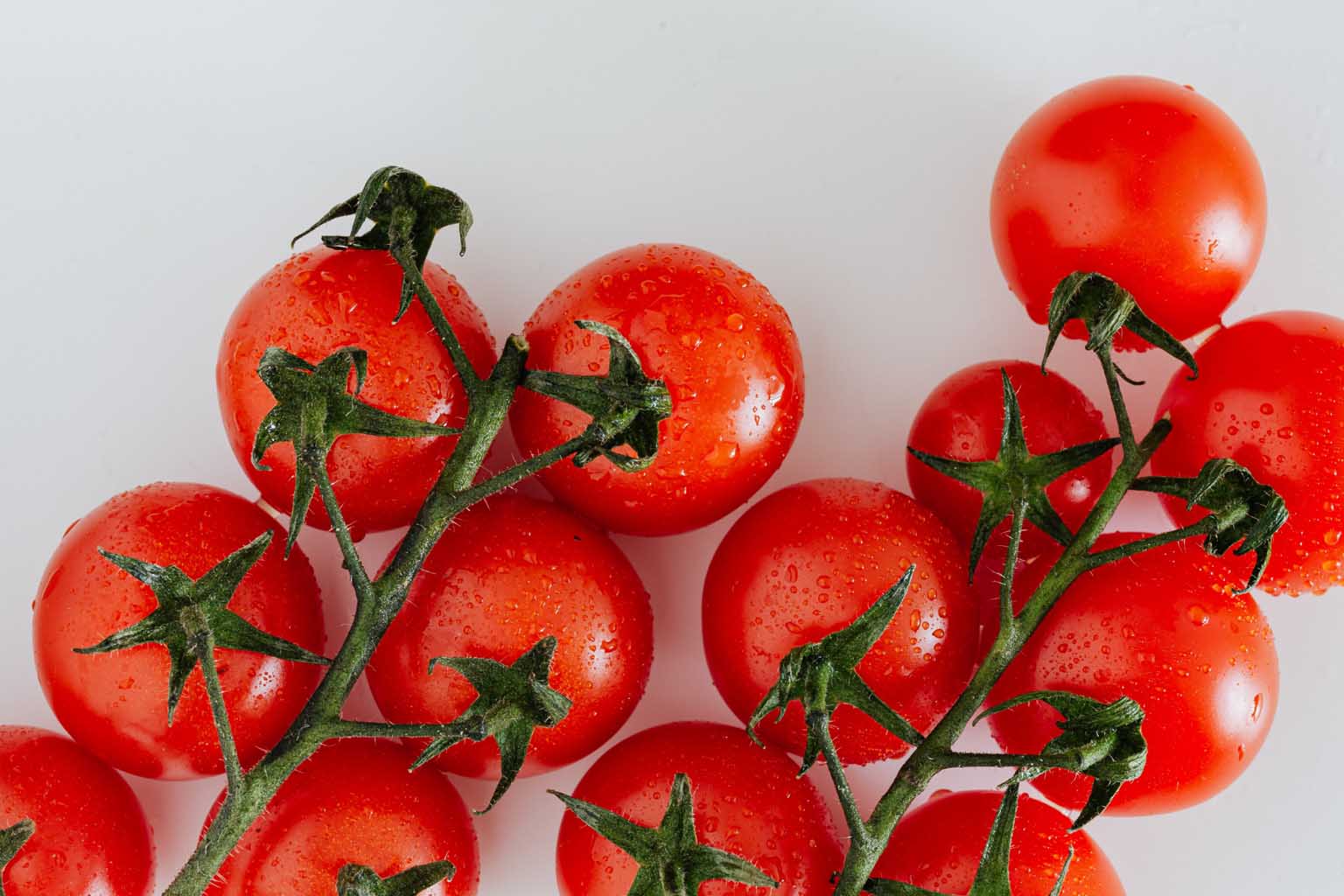
Tomatoes—aren’t they amazing ? They’re one of the most versatile ingredients in the kitchen, appearing in sauces, salads, sandwiches, and countless dishes. Yet surprisingly, many people make one big mistake : storing them in the fridge.
Chef Roberta, a specialist in Italian cuisine, repeatedly warns her students, never put tomatoes in the refrigerator. This isn’t just a culinary tip—it’s rooted in science. The way you store tomatoes can completely change their flavor, texture, and aroma. Once you understand why, you’ll never make the same mistake again.
Why refrigeration harms tomatoes
Roberta, founder of Con Aroma a Roma, explains that cold temperatures can alter the internal structure of fruits and vegetables. For tomatoes, the fridge blocks enzymes responsible for their juiciness and firmness. The result ? What was once a perfectly plump tomato becomes mealy, grainy, and watery. Its vibrant flavor fades, leaving a dull taste.
“The cold interrupts the natural enzymatic processes that continue after harvest,” she says. “Tomatoes are sensitive fruits. They continue to ripen even after being picked, but refrigeration stops this natural maturation.” Essentially, a tomato in the fridge is no longer the same fruit you bought. Respecting its natural process is essential for preparing dishes that taste as they should.
Even if a tomato appears fresh on the outside, refrigeration can leave the inside bland and soft. Chef Roberta stresses that preserving texture, aroma, and natural sweetness is as important as washing or slicing the tomato carefully.
The science behind chilling injury
Tomatoes are extremely sensitive to temperatures below 55°F (about 12°C). Storing them in a fridge can cause a phenomenon called chilling injury. Scientific studies show that cold temperatures damage cell membranes and release enzymes like polygalacturonase, which break down the substances that keep tomato flesh firm.
The effects of chilling injury include :
Floury, grainy texture
Soft and watery flesh
Loss of firmness
Diminished flavor and aroma
Cold temperatures also inhibit the production of compounds responsible for tomato scent, such as aldehydes and alcohols, which give tomatoes their classic smell. Post-harvest enzymes that convert starches into natural sugars are slowed down, leaving the fruit less sweet and less flavorful.
Even a tomato that looks perfectly red and firm may have lost much of its taste when stored too cold. This explains why summer tomatoes taste better when left on the counter rather than refrigerated.
Scientific proof and studies
A government study in Andalusia examined the “Raf cv. Conquista” tomato at different storage temperatures. Key findings include :
At 50°F (10°C), tomatoes showed clear signs of chilling injury, including rapid aging and weight loss.
At 55°F (13°C), external appearances were fine, but internal metabolic processes were disrupted.
The study concluded that the minimum safe storage temperature for this variety is 55°F (13°C), higher than the temperature of any household refrigerator. Refrigerating tomatoes therefore causes both visible and invisible damage, confirming what chefs like Roberta have emphasized for years.
How to store tomatoes correctly
So, what’s the best way to keep your tomatoes fresh and flavorful? The key is to maintain room temperature in a cool, airy spot, away from direct sunlight. This allows the fruit to ripen naturally while keeping its texture and taste intact.
Some practical tips :
Place tomatoes in a single layer, stem-side up, on the counter.
Avoid airtight containers, which trap moisture and accelerate spoilage.
Check daily for overripe tomatoes and use them promptly.
Chef Roberta also recommends avoiding stacking tomatoes, as pressure can bruise them and speed up deterioration. By following these small adjustments, you’ll notice a huge difference in taste. Juicy, fragrant tomatoes elevate any dish, from a simple salad to a homemade pasta sauce.
I personally tried this method last summer after constantly throwing out bland, refrigerated tomatoes. Leaving them on the counter for a few days, I discovered a dramatic improvement in flavor. Even a simple caprese salad tasted gourmet—full of natural sweetness, vibrant color, and juicy texture. It was a small change that transformed my meals.
By keeping tomatoes at the right temperature, you’re also reducing waste and ensuring the fruit reaches its full potential. Many people overlook this, but it’s one of the easiest ways to cook like a professional at home.
So next time you buy fresh tomatoes, skip the fridge. Let them sit in a cool, shaded area and allow nature to work its magic. Your dishes will taste richer, your salads fresher, and every bite will remind you why tomatoes are a staple in kitchens worldwide.
Have you ever noticed a flavor difference between refrigerated and counter-stored tomatoes ? Try this tip and see for yourself. Share your experiences, tips, and favorite tomato recipes with friends and family, and help everyone enjoy perfectly ripe, flavorful tomatoes.
Dining and Cooking