
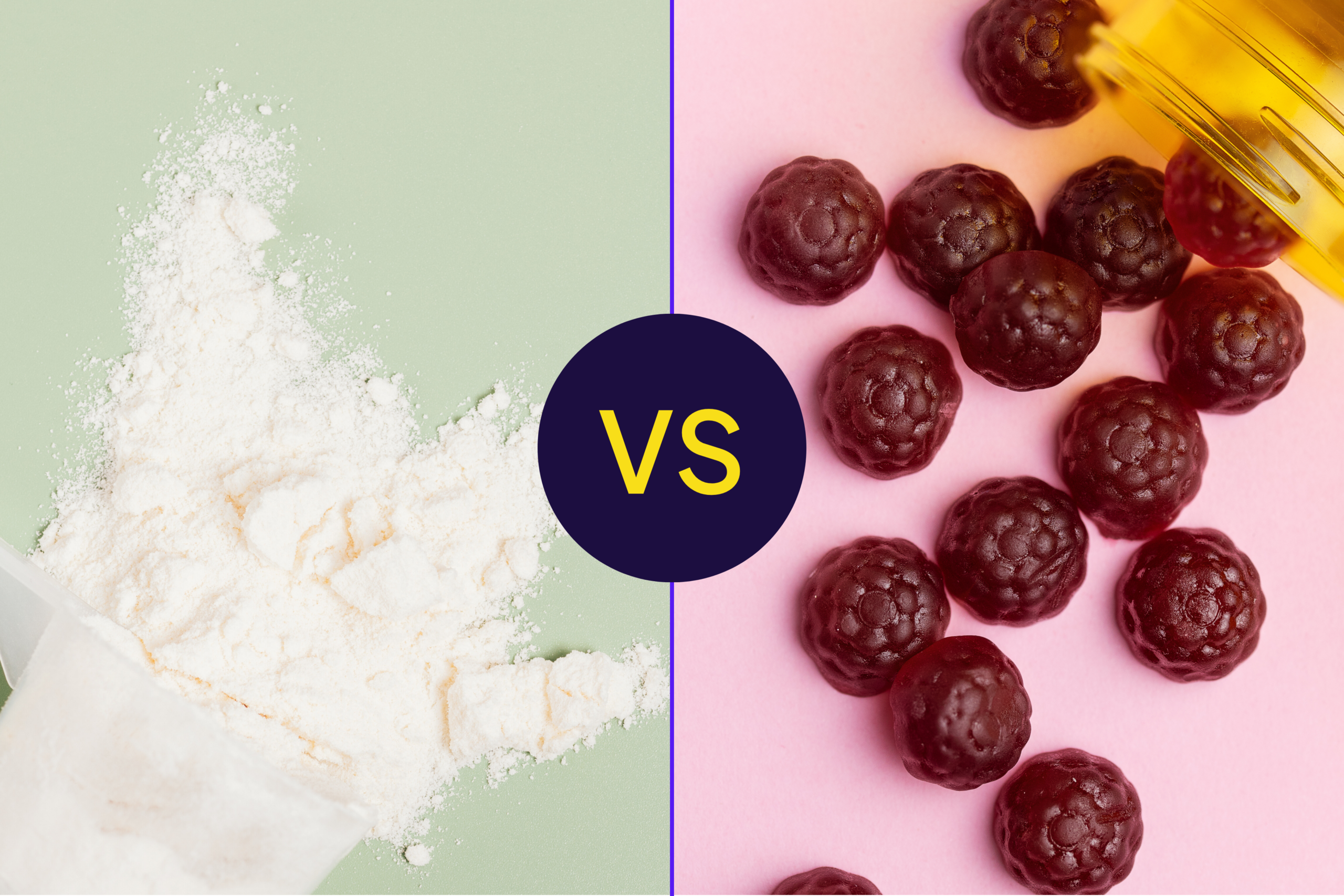
Creatine is a compound the body produces naturally and also gets from animal products like red meat and fish—but it’s also become a popular supplement for building muscle and improving exercise performance. It’s sold in several forms, with powder and gummies among the most common. But which one is the most effective? Experts say powder—here’s why.
Research suggests that creatine can boost athletic performance and increase muscle strength when combined with resistance training. While gummies may seem more convenient, experts agree that you’re more likely to get more gains at the gym with creatine powder.
One key reason is absorption. Creatine powder tends to be easier for your digestive system and muscles to absorb, Sarah Glinski, RD, a registered dietitian who specializes in gut health, told Health. That’s largely because powders typically contain just one ingredient—usually creatine monohydrate, the most researched form of the compound. Gummies, by contrast, often include added sugars, sugar alcohols, gelatin, and flavorings, which may interfere with digestion for some people.
Plus, creatine powder is more potent. It’s easier to reach the effective dose of 3 to 5 grams per day using a powdered form, Glinski said. Most gummies contain only 1 to 2 grams of creatine per serving, she noted, meaning you’d need to consume several to reach the recommended amount.
Additionally, powders tend to deliver a more consistent dose, Anthea Levi, RD, a registered dietitian and founder of ALIVE+WELL Nutrition, told Health.
“It is very challenging to reach the optimal dose of various supplements in gummy form,” added Kristen Carli, MS, RD, registered dietitian with WOWMD. “Oftentimes, you have to take many gummies to reach the desired dose.”
Beyond effectiveness, there are other reasons some experts recommend skipping gummies. Creatine gummies are often more expensive, said Levi. Like some flavored powders, they may contain added sugars and preservatives that could be a concern for people with hyperglycemia (high blood sugar) or diabetes.
Certain people should avoid creatine supplements altogether. Although research suggests creatine does not impair kidney function in healthy individuals, those with existing kidney disease should consult a healthcare provider before using it. People who are pregnant or breastfeeding, taking prescription medications, or children should also use caution and check with a doctor before taking creatine.
Experts say a few simple strategies can help you get the most out of the supplement for muscle strength and performance:
Stick to 3 to 5 grams daily: Older research recommends a short “loading phase” of about 20 grams daily, but current evidence suggests it isn’t necessary, said Glinski. Most studies show benefits with a daily dose of 3 to 5 grams of creatine monohydrate.
Be consistent: Taking creatine every day matters more than when you take it. “As long as you take it daily, you’ll be able to reap the benefits,” Glinski said.
Mix powder with warm water: Creatine powder may dissolve and absorb better when mixed with warm—not cold—water and consumed shortly after, said Levi.
Look for third-party testing: Because supplements are largely unregulated in the United States, choose products tested by organizations like the U.S. Pharmacopeia (USP) or the NSF’s “Certified for Sport” program.
Prioritize strength training: Supplements alone won’t build muscle. “You need to load your muscles to strengthen them,” Levi said. Aim for strength training two to three times per week.
Dining and Cooking