
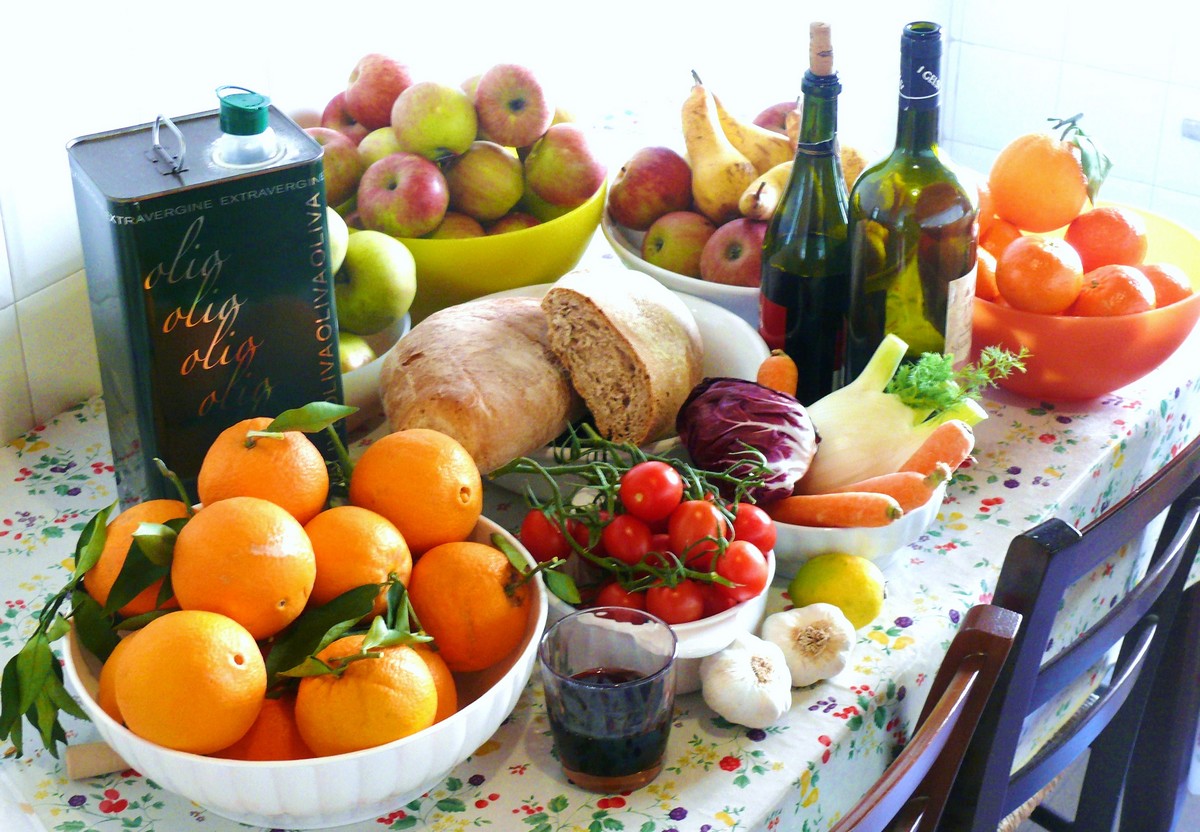
The United Nations General Assembly yesterday approved a resolution officially establishing the International Day of the Mediterranean Diet, which will be celebrated every November 16. The decision was also welcomed today by the Italian Embassy in Tunisia, one of the countries promoting the resolution—proposed by Italy, as host country of the Food and Agriculture Organization of the United Nations (FAO)—along with Croatia, Cyprus, France, Greece, Lebanon, Morocco, Portugal, San Marino, and Spain. This cross-party endorsement reflects the shared nature of the Mediterranean diet as a common identity and a bridge between the two shores of the Mediterranean. This, FAO states in a press release, is a recognition of great symbolic and political value for one of the most studied and appreciated dietary patterns in the world, not only for its nutritional benefits, but also for its cultural, social, and environmental significance. In line with its mandate, FAO will support member countries in promoting healthy, sustainable dietary patterns rooted in local traditions.
Italy and Tunisia share a heritage of products and gastronomic traditions linked to conviviality, health, and well-being, while respecting natural resources and local customs. The cuisines of both countries place people’s health and well-being at the center, offering quality products that meet high food safety standards, thanks also to a wise use of technical and technological innovations in the sector. It is no coincidence that trade between Italy and Tunisia in the agri-food sector sees Italy among the top EU suppliers, with a 4,2% market share. Italy is also among the main investors in Tunisia’s agri-food sector, with dozens of high-profile companies providing employment to thousands of workers. This collaboration is set to grow even further in the future, thanks to the projects launched by the Mattei Plan, which identifies Tunisia as a priority country and agriculture as one of the main sectors of intervention.
For the UN agency, the recognition of International Mediterranean Diet Day represents a strategic opportunity to highlight the value of local diets, understood as food systems built over time in relation to natural resources, climate constraints, local economies, and traditional flavors. These models can concretely contribute to achieving the Sustainable Development Goals, addressing global challenges such as food waste, biodiversity loss, malnutrition, and the growing incidence of obesity. The protective health benefits of the Mediterranean diet have been documented for over sixty years, starting with the pioneering studies of the American physiologist Ancel Keys in the 1960s, which demonstrated its effectiveness in reducing the risk of cardiovascular disease. Subsequent research has confirmed the correlation with a lower incidence of diabetes, certain types of cancer, and depressive disorders. In 2010, UNESCO recognized the Mediterranean diet as an Intangible Cultural Heritage of Humanity, emphasizing not only its nutritional value, but also its social and cultural value. Although it has numerous regional variations, its fundamental principles remain common: abundant consumption of fresh fruits and vegetables, whole grains, legumes, and nuts, a predominant use of olive oil, a moderate intake of fish, dairy products, eggs, and meat, and a limited consumption of sugars and ultra-processed foods.
Despite international recognition, ample evidence indicates that the Mediterranean diet is progressively eroding, even in the countries where it originated. Globalization, urbanization, lifestyle changes, and new consumption patterns have encouraged the abandonment of traditional eating habits. The result is a worrying increase in overweight and obesity rates, both among children and adults, in many countries in the Mediterranean region. At the heart of the Mediterranean diet is much more than a list of foods: it represents a true social institution founded on skills, agricultural knowledge, and convivial practices. From cultivation to fishing, from processing to sharing, this model promotes social relationships, hospitality, and intercultural dialogue, supporting short supply chains and local production systems.
This is the context for FAO’s commitment to developing Sabir, a knowledge center dedicated to Mediterranean dietary patterns, which will gather data, research, and best practices on the benefits of the Mediterranean diet for nutrition, health, and the environment. By establishing International Mediterranean Diet Day, the United Nations aims to strengthen global awareness, stimulate investment, and promote public policies capable of preserving not only a healthy dietary pattern, but also the social, cultural, and productive traditions that enable it. This recognition therefore takes on particular significance for Mediterranean countries, including Italy and Tunisia, which are called today to transform this shared heritage into a concrete lever for public health, environmental sustainability, and international cooperation.
Read also other news on Nova News
Click here and receive updates on WhatsApp
Follow us on the social channels of Nova News on Twitter, LinkedIn, Instagram, Telegram
Dining and Cooking