
UNESCO does a lot of good. In 1972, the United Nations Educational, Scientific and Cultural Organization chartered the World Heritage Sites list that has some real regulatory teeth preserving historic monuments and wildlife refuges around the world as humankind’s common legacy. That gives me some comfort as Thailand sends attack drones and jets over Cambodia in their squabble over a piece of territory slightly larger than New York’s Central Park. Angkor Wat is only about 70 miles from the contested area and enjoys World Heritage protection. While UNESCO status won’t avert a war — signatories to the WH convention only agree, among other things, to limit surrounding property development to conserve designated sites — the listing also projects the soft-power of prestige. Any damage to the nearly 900-year-old temple complex would bring global condemnation — and international perceptions of who’s the bad guy in this conflict.
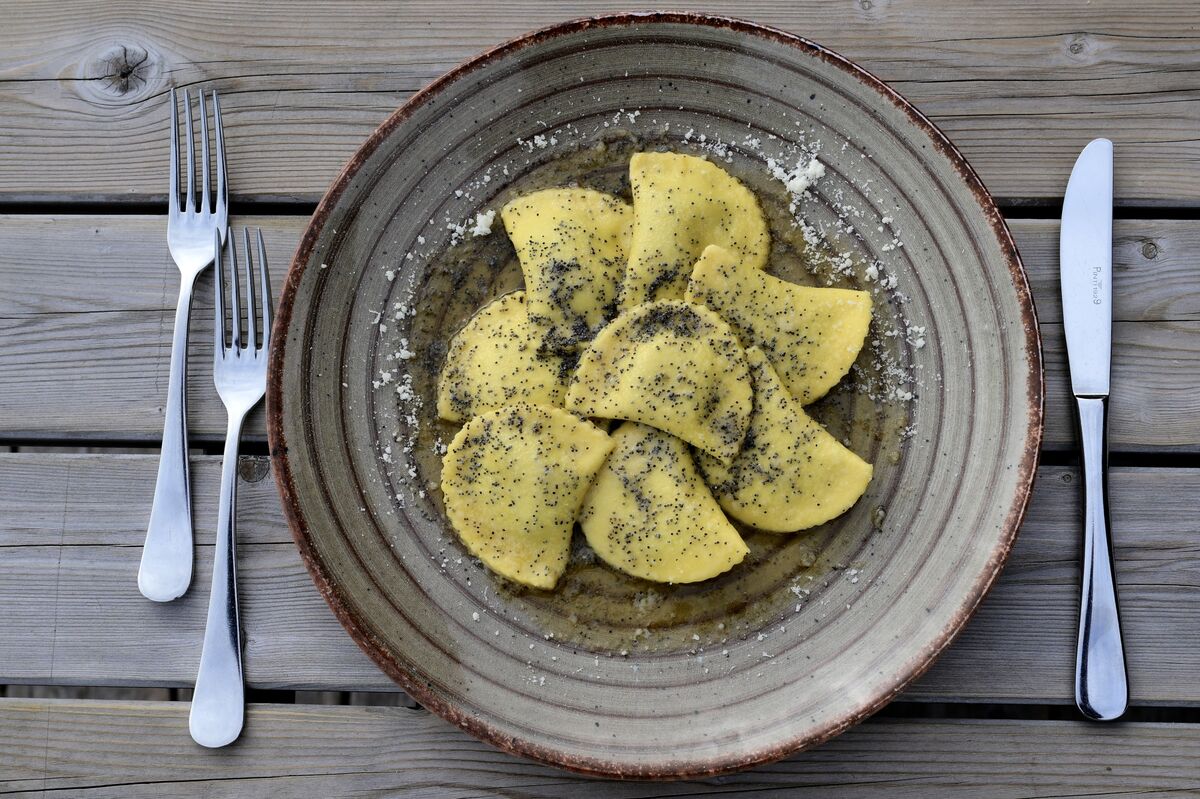
Since 2003, UNESCO has tried to do the same with an “intangible cultural heritage” label focused on cultural practices ranging from Argentine tango to homemade kimchi. Such things are harder to define because they involve human behavior and don’t sit still like a Roman ruin or a nature preserve. And, in some cases, protection doesn’t bring people and cultures together to celebrate a common heritage. Instead, it segregates. That’s the likely consequence of UNESCO’s stamp of approval for the cooking of Italy, the first time an entire nation’s cuisine has won the “intangible” label.
Dining and Cooking