
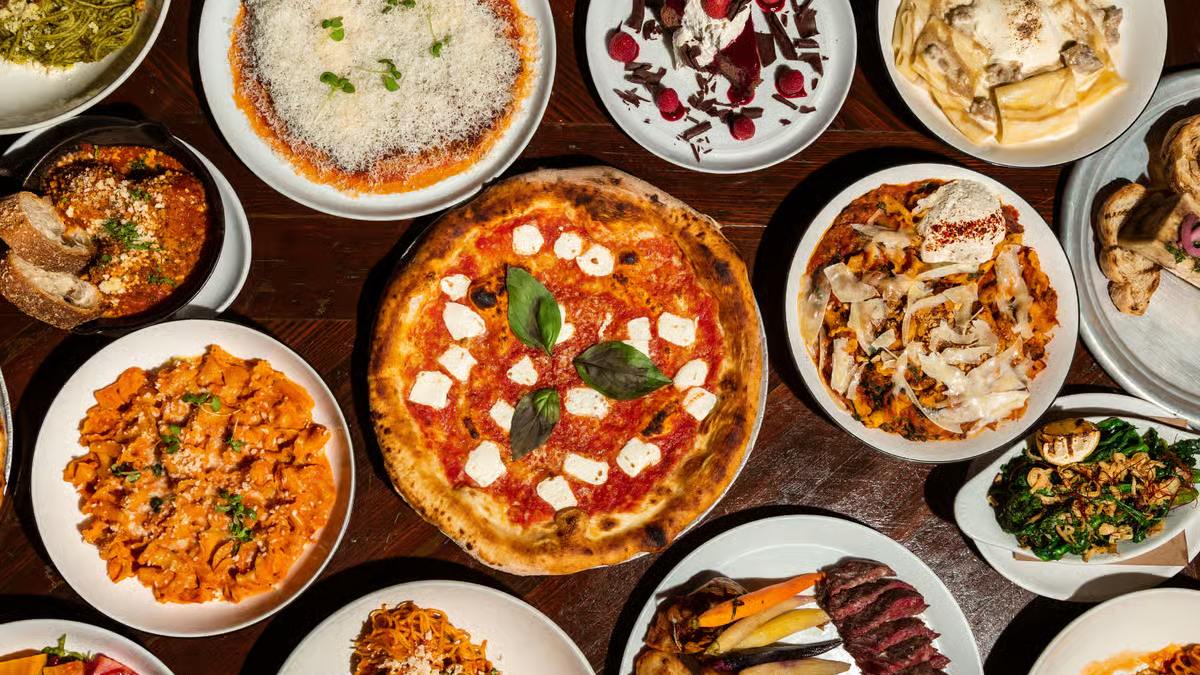
Italian cuisine received its first favorable opinion from UNESCO this week to become an Intangible Cultural Heritage of Humanity. The decision was announced on Monday, the 10th, following an evaluation by the organization’s technical committee of experts.
The nomination dossier will still be reviewed by the UNESCO Intergovernmental Committee, which will meet in New Delhi, India, between December 8 and 13. Final inclusion will depend on this final judgment.
If approved, Italian cuisine will be the first in the world to receive this recognition. Currently, only… The art of the Neapolitan pizza maker. It has been on the list since 2017, representing a select part of the country’s vast gastronomic heritage.
The Italian Minister of Agriculture, Food Sovereignty and Forests, Francesco Lollobrigida, highlighted the media and public interest in the process. “It’s wonderful to see the interest with which the process of recognizing Italian cuisine as a UNESCO heritage is being followed,” he declared. He urged caution, reminding that the process is not yet complete: “We have nominated a great tradition, an element that distinguishes us, but we have not yet achieved this great and well-deserved goal.”
The application process began in 2020, with the support of industry associations and cultural institutions. The dossier was drafted by Pier Luigi Petrillo, a professor at the Luiss Guido Carli University in Rome. “The published technical assessment tells us that the dossier is well-prepared,” he told the Ansa news agency. However, he warned that the December committee could completely revise the opinion: “This first ‘yes’ should not create illusions.”
In addition to Italian cuisine, Swiss singing, the Cuban musical genre Son, Japanese origami, Cypriot passito wine, and Mexican religious traditions related to the Passion of Christ also received favorable reviews in this phase.
Italy already boasts numerous cultural assets recognized by UNESCO, both tangible and intangible, such as opera singing, the Appian Way, and the traditional buildings known as “fairy houses” in Sardinia.
Dining and Cooking