
The renowned Forbes magazine, one of the world’s most influential publications, published The World’s 50 Best Wineries 2025 list, which highlights the most outstanding wineries on the planet for their historical relevance, consistency and innovation.
Santa Rita -a brand belonging to the Made by Chileans program-was named the best winery in the world, leading the ranking and beating emblematic wineries such as Penfolds – Magill Estate from Australia; Trapiche Winery, Zuccardi Valle de Uco and Bodega Lagarde from Argentina; Château Smith Haut Lafitte, Château d’Esclans and Champagne Billecart-Salmon from France; Dr. Loosen from Germany; Stag’s Leap Wine Cellars from the United States; and Marqués de Murrieta from Spain, among others. Loosen from Germany; Stag’s Leap Wine Cellars from the United States; and Marqués de Murrieta from Spain, among others.
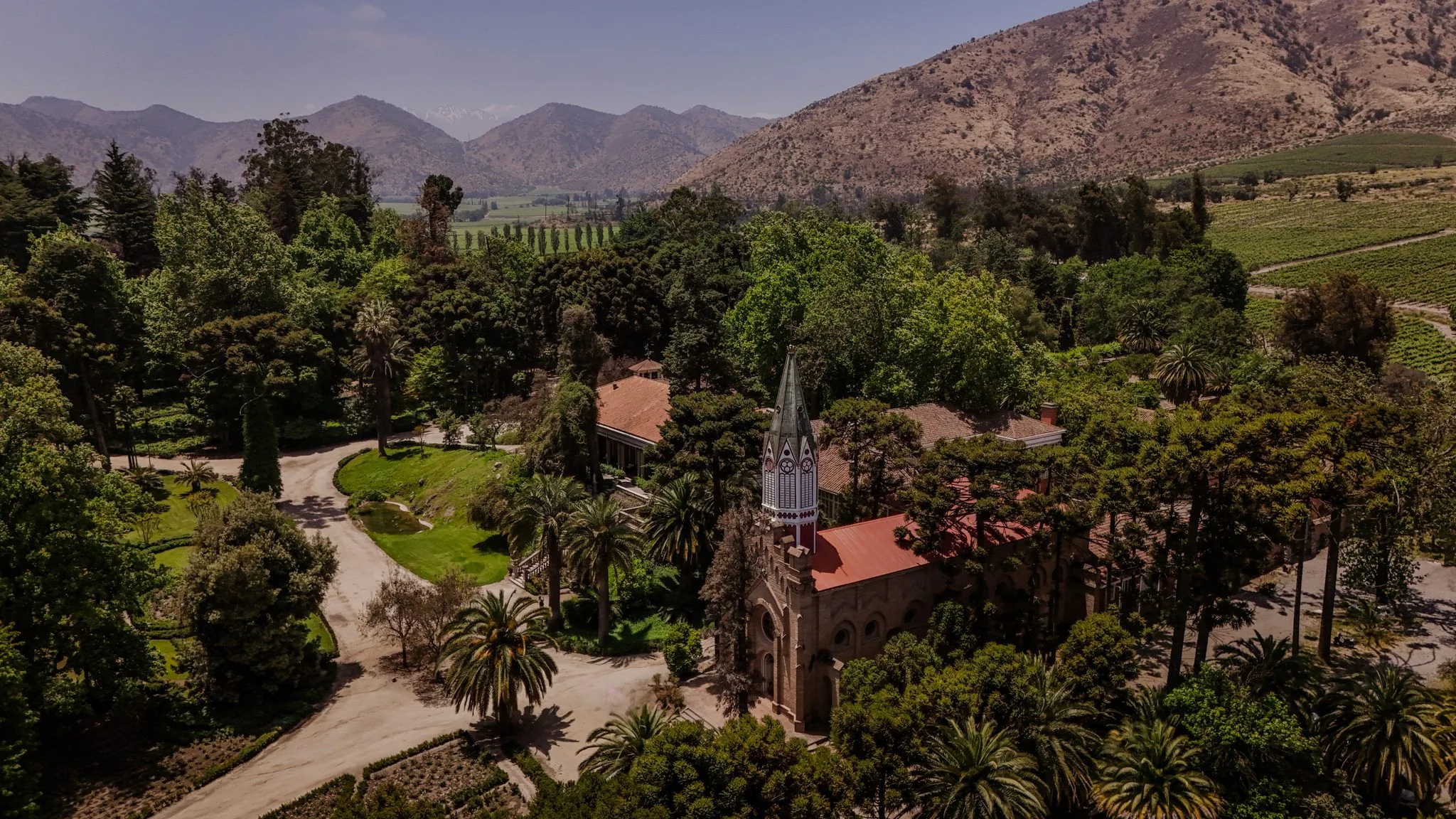
The publication highlights: “Just 45 minutes from Santiago, Viña Santa Rita immerses visitors in the Chilean winemaking tradition, founded in 1880 and whose origins date back to the 17th century, when the first vines were planted for wine and brandy. Located in the foothills of Alto Jahuel, the property is home to the legendary Bodega de los 120 Patriotas, where 120 soldiers of Chile’s independence process found refuge, today honored on the winery’s emblematic label, 120”.
And he continues: “The main house, built in 1883 and currently the Casa Real Hotel, is located next to a neo-Gothic chapel and a 40-hectare centennial park, which offers a unique setting for tastings and carriage rides. Declared a Historic Monument in 1972, the hacienda has eight regular tours, historic wineries, gastronomy at the Doña Paula Restaurant and Café La Panadería, a wine store and the Andean Museum, which houses more than 3,000 archeological and ethnographic pieces. Visitors can also enjoy classic tastings, premium vertical tastings and pairings that celebrate the essence of the Maipo Valley.”
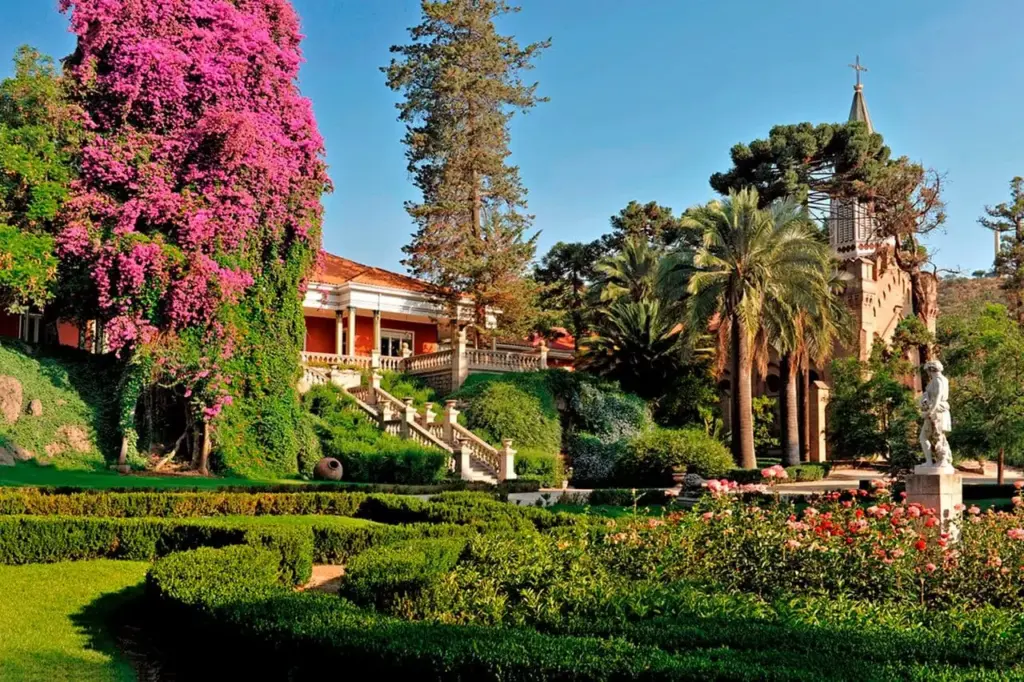 Image of Viña Santa Rita.
The ranking evaluated multiple dimensions: heritage and track record; mentoring of new generations of winemakers; innovation in winemaking techniques, vineyard management and packaging; sustainability; wine tourism experience; global presence; wine scores and consistency; and participation in international wine, tourism and sustainability rankings.
“This recognition fills us with pride and reflects the work of generations that have made Santa Rita a benchmark for wine and culture in South America. More than an award to a winery, it is a distinction that celebrates the legacy, identity and projection of our country in the world,” said Elena Carretero, Santa Rita’s Corporate Affairs, Sustainability and Tourism Manager. She added: “It reflects a vision that combines history, sustainability and future projection, with a commitment to preserving Chile’s heritage for future generations.”
Founded in 1880 and declared a Historic Monument in 1972, Santa Rita offers a heritage proposal that has established itself as one of the most complete wine tourism experiences in the world, bringing together in one place historic wineries and vineyards, boutique hotel, centennial park and neo-Gothic chapel, museum, gastronomy, themed tours, wine store and cultural spaces. Among its tours, it is possible to be “winemaker for a day” or visit the place where Carmenère was rediscovered 30 years ago. In addition, the winery is home to Casa Real, its icon wine, recognized by Decanter as the first Wine Legend of South America.
The list published by Forbes was compiled by Virgin Wines, which also prepared an independent Quality Ranking, where Santa Rita ranked first worldwide for the “outstanding quality and craftsmanship of its wines”, followed by Dr. Loosen, Zuccardi, Duckhorn Vineyards, Seppeltsfield Wines and Bodega Garzón.
Throughout its history, Santa Rita has been repeatedly highlighted among the “World’s Most Admired Wine Brands” by Drinks International, named “Winery of the Year” by Wine & Spirits, and recognized as one of the “Best Vineyards to Visit in the World” by World’s Best Vineyards.
Learn more in the article published on Viña Santa Rita’s website.
Dining and Cooking