
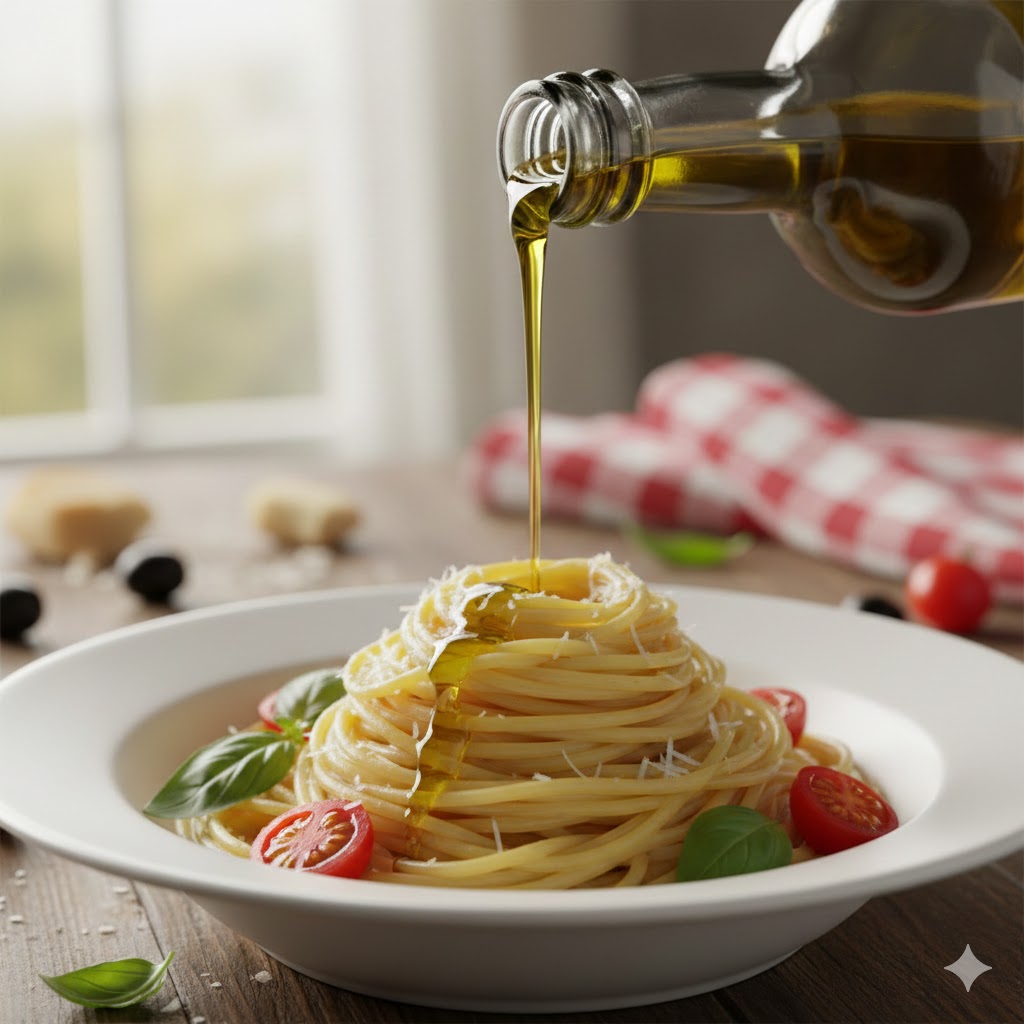
Italian cuisine is officially an Intangible Cultural Heritage of Humanity. In announcing the news, Agriculture Minister Francesco Lollobrigida he pointed out: This recognition celebrates the strength of our culture, which embodies our national identity, pride, and vision. Italian cuisine is the story of all of us, of a people who have preserved their knowledge and transformed it into excellence, generation after generation. Ma nThere is no Italian cuisine without extra virgin olive oil.. They remember it the OP Unapol and Italia Olivicola associations who express their satisfaction at having contributed in their own small way to this result.
Here Unapol
Unapol – the National Union of Olive Oil Producers Associations – considers this a historic achievement that highlights our gastronomic identity and the tireless work of thousands of producers, farmers, and custodians of the country’s rural traditions. This is because Italian cuisine is an ecosystem built on local areas, biodiversity, and the quality of raw materials, among which extra virgin olive oil plays a key role.
 Thomas Loiodice
“We enthusiastically welcome UNESCO’s decision” declared Tommaso Loiodice, president of Unapol. Italian cuisine is much more than a collection of recipes: it is a living heritage, made up of communities, traditions, and knowledge that deserve protection and promotion. Extra virgin olive oil, with the incredible variety of our single-variety olives, is one of the pillars of this story of Italian taste and identity.
For years, Unapol has been committed to promoting the quality and sustainability of Italian EVOO, fostering direct dialogue with chefs—true ambassadors of Italian cuisine around the world—who are increasingly aware of the expressive richness of Italian cultivars. This unique biodiversity offers oils with profoundly diverse sensory characteristics, enhancing every dish with their distinctive, regional identity.
Our mission is to support olive growers and educate restaurant professionals that olive oil is not just a condiment, but a cultural ingredient. UNESCO’s selection confirms the importance of continuing along this path, investing in quality, education, and the narrative of our olive oil heritage. concluded Loiodice.
Here Italy Olive Growing
 Gennaro Sicolo
Italian olive growers could only stand alongside the great Italian gastronomic tradition. We have done so abroad, together with Amerigo Vespucci, in Rome, and in many other places. A dutiful support – said Gennaro Sicolo, president of Italia Olivicola and national vice president of CIA Agricoltori Italiani – because only by defending the cultural value of Italian cuisine can we also defend the national olive-growing territories.”
Italian cuisine recipes are influenced by local agricultural production and seasonality, but the common denominator is always the great Italian extra virgin olive oils. Orecchiette with turnip greens wouldn’t be world-famous without a drizzle of Coratina olive oil, and Pasta alla Norma wouldn’t be as tasty without fried eggplant in Nocellara extra virgin olive oil, while Tuscan ribollita is also renowned for its use of Frantoio and Moraiolo olive oils.
“It is a day of jubilation that coincides with the olive oil campaign and the olive harvest. – continued Sicolo – which has always been a moment of celebration for olive growers. Wherever I’ve been in the world, I’ve always discovered, with enormous pleasure, that a little bread with oil is a moment of unity and communion. This is Italian cuisine: conviviality, pleasure, and a way of experiencing taste. And I must remember that a good extra virgin olive oil combines both taste and well-being.
The drizzle of raw olive oil that’s so popular on television cannot and must not be trivialized. With the recognition of Italian cuisine as a UNESCO World Heritage Site, it must itself become a moment of cultural joy. This is the appeal and hope of the 250 Italian olive growers united in Italia Olivicola.
Dining and Cooking