
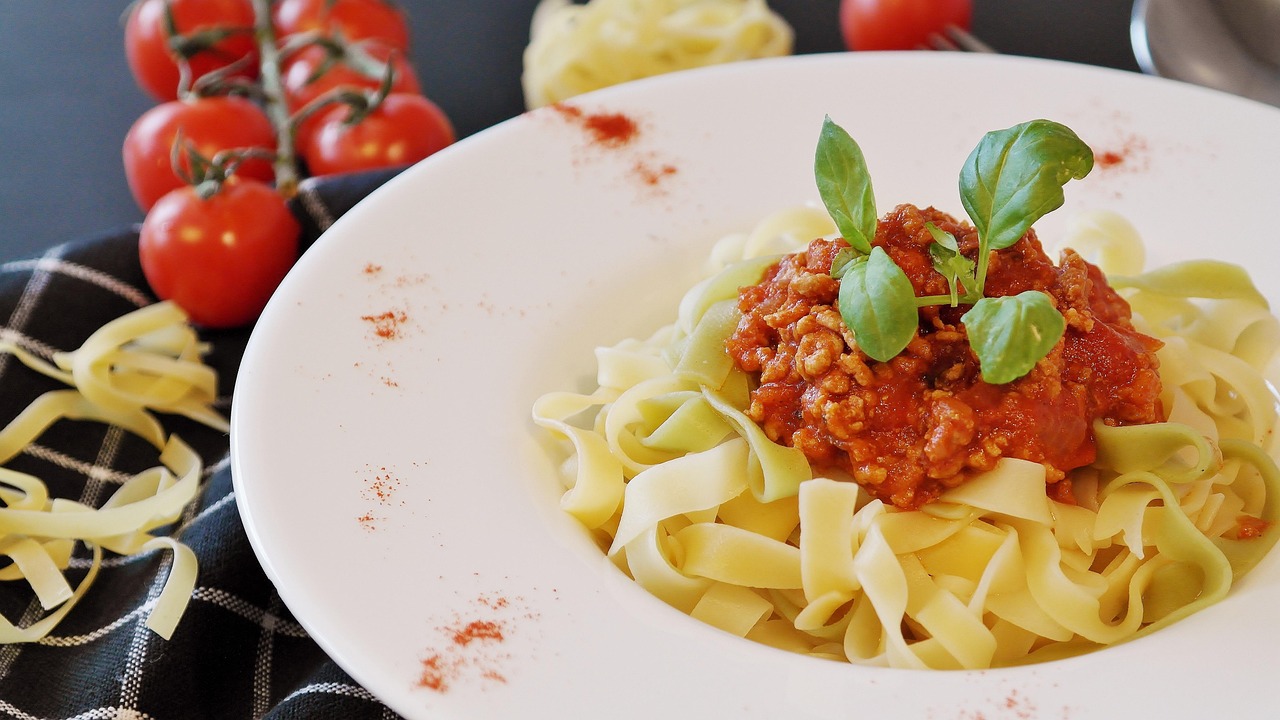
Italian cuisine has just been awarded the prestigious status of Intangible Cultural Heritage of Humanity by UNESCO. This is the first time that a national cuisine has received this classification in its entirety, which has made many people envious—starting with the French.
On Wednesday, December 10th, with Christmas preparations in full swing and panettone and pandoro being baked all over the peninsula, the announcement was officially made with great fanfare in Rome, with a spectacular projection on the walls of the Colosseum.
Italy’s application was submitted in 2023. It took just under two years for Italy to achieve this recognition, which marks the culmination of an aggressive campaign to promote high-quality Italian cuisine, both in Italy and beyond its borders.
In recent years, there has been a boom in Italian grocery stores and restaurants of all sizes across Europe and beyond, promoting a distinctive cuisine inspired by the diverse terroirs of the beautiful Mediterranean country, from Umbria to Sardinia, Puglia to Tuscany. Gone are the days when ‘Italian cuisine’ was almost exclusively synonymous with mediocre pizzas and lasagne al forno served sparingly in a white porcelain tureen reminiscent of a school canteen. Long reminiscent of easy and somewhat heavy food, Italian restaurants have become places for high-end culinary experiences. Today, Italian restaurants offer menus rich in a thousand and one treasures: a variety of charcuterie showcasing extensive expertise in curing, delicate products made from Sicilian lemons, Bronte pistachios, or Piedmont hazelnuts.
To paraphrase Kant, Italian cuisine appeals universally and without concept. It can now be found in all corners of the globe, with equal success, due to its simplicity, affordability, and the high-quality image of certain simple products that are well known to the public.
But what is UNESCO truly rewarding? A complex and diverse construct, relatively recent in origin. Does ‘Italian cuisine’ really exist in a country that rightly prides itself on its regional differences? What do Piedmontese risotto and Sicilian caponata have in common?
The label awarded is as much about culinary practices as it is about the contents of the plate.
“It is a cultural and social fusion around eating habits, associated with the use of raw ingredients and traditional food preparation techniques. It is a shared activity that emphasises intimacy with food, respect for ingredients and moments shared around the table. This practice is based on anti-waste recipes and the transmission of flavours, know-how and memories from one generation to the next,” according to the official wording of the United Nations office.
In provocative terms, Alberto Grandi, an economic historian at the University of Parma, published an essay last year entitled La cucina italiana non esiste (Italian cuisine does not exist). When it was published, many Italians almost choked on their spaghetti—which, as everyone knows, might be very dangerous. We must be wary of such assertions. President Macron also claimed that French culture does not exist. According to some, anything that is even slightly traditional is a myth or a fantasy. But what is true in Grandi’s statement is that Italian cuisine, now celebrated worldwide, is an identifiable practice that has taken shape relatively recently. This does not mean that there is nothing to celebrate.
We must give Caesar what belongs to Caesar: Italy has its own unique genius, as all lovers of the European art of living know well, made up of a gentle way of life, elegance and deep-rooted flavours that can be enjoyed with equal pleasure from Milan to Catanzaro. At a time when fast food is transforming the face of European capitals, when beef bourguignon and blanquette are giving way to chef’s burgers and vegetable woks in Parisian brasseries, Italian cuisine is putting up a fight—as evidenced by the difficulties that major international fast food chains are having in establishing a lasting presence in Italy.
Cuisine is a matter of terroir, and Italy appears as very capable at defending its own. The UNESCO listing is the crowning achievement of an aggressive policy by a country that is proud of itself, confident in its own abilities and sees itself as a cultural conqueror. With this listing, Council President Giorgia Meloni is now reaping the rewards of her country’s positive international image in many other areas, such as European integration and the gradual restoration of its financial credibility. Meloni hailed “the victory of an extraordinary nation which, when it believes in itself and is aware of what it is capable of, has no rivals and can amaze the world.” Following the announcement of Italy’s upgraded credit rating on the financial markets, the UNESCO award feels like a sweet treat to be savoured intensely: a crispy cannolo filled with ricotta and candied fruit. Italian cuisine is triumphant, and the Italian agri-food trade is booming. According to Nomisma’s statistical estimates, exports in the sector were up 5.7% in September 2025 and could exceed €70 billion by the end of the year, representing a 100% increase in ten years.
In the meantime, the French are left with a slightly bitter taste in their mouths. For the time being, UNESCO has only classified “the French gastronomic meal” as a World Heritage Site, defined as “a customary social practice intended to celebrate the most important moments in the lives of individuals and groups, such as births, marriages, anniversaries, successes and reunions. It is a festive meal during which guests practise the art of ‘eating well’ and ‘drinking well’.” That’s all well and good, but it pales somewhat in comparison, according to those on this side of the Alps. Yet, we ought to be careful, reminds Alessandra Pierrini, an Italian gastronomy specialist based in Paris and interviewed on French radio, “UNESCO did not say that Italian cuisine is the best in the world.” She concludes by talking about its happy coexistence with French cuisine: “Italian cuisine is everyday cuisine, French cuisine is technical and restaurant cuisine; they live very well together.”
Let’s rejoice: when it comes to good food, the two Latin sisters still have a lot to teach the world.
Dining and Cooking