
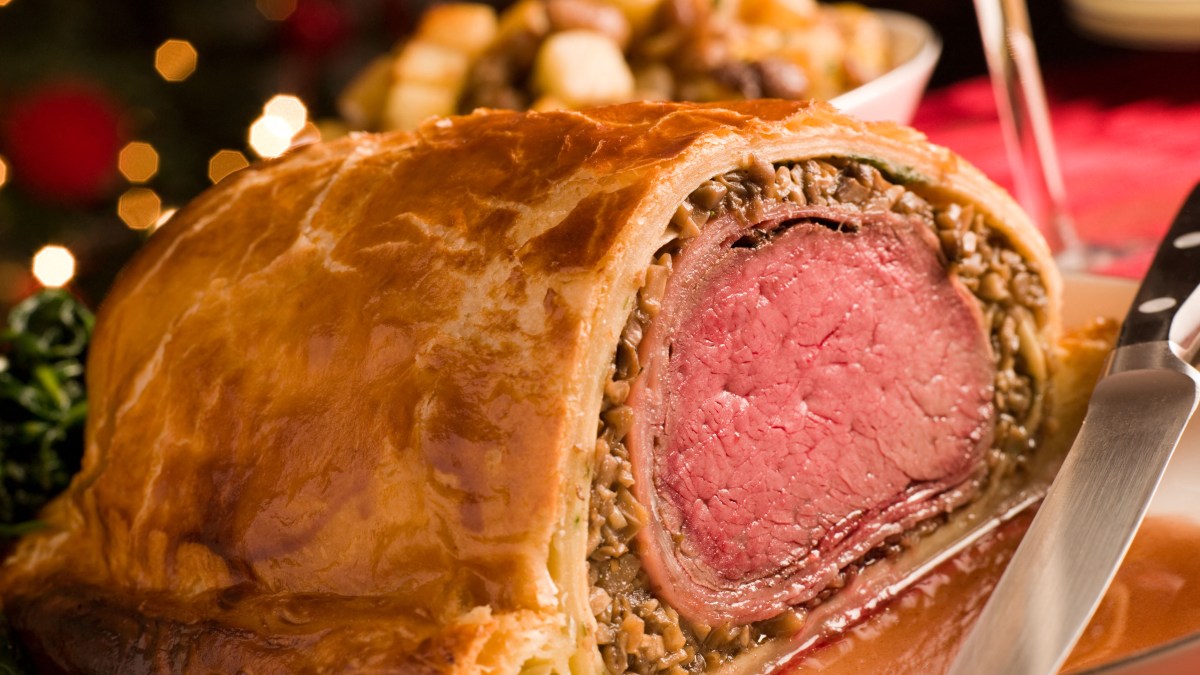
For centuries, the phrase cuisine anglaise has prompted sighs and eye rolls in France. However, this Christmas, trendy bistros and bourgeois couples are shunning the traditional roast poultry in favour of a British import: beef wellington.
A fashion for a dish imagined to be a favourite of the victor of Waterloo has taken off over the past two years after its promotion by Cyril Lignac, a leading TV chef, who calls it ideal for le réveillon — the grand Christmas Eve dinner.
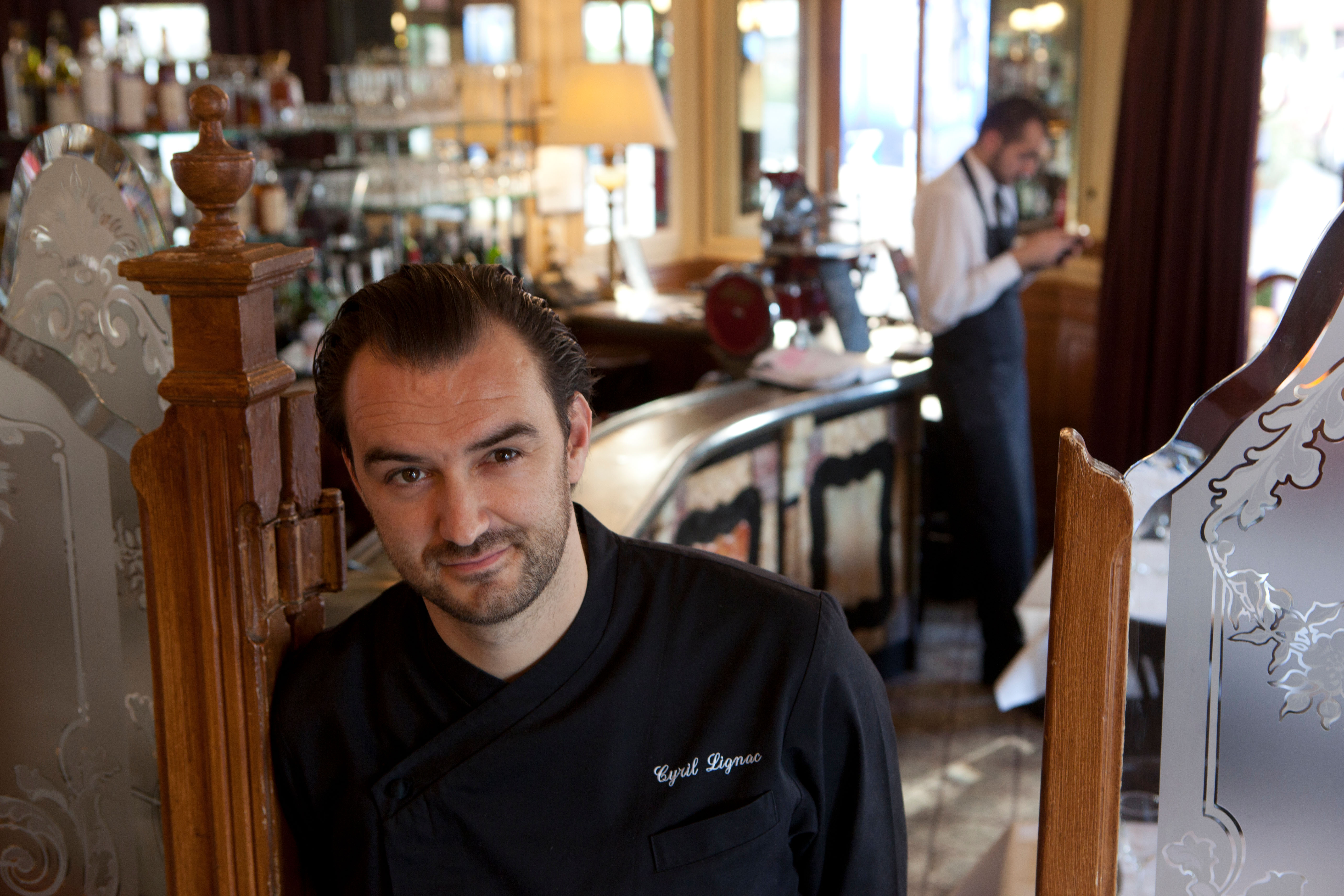
Cyril Lignac
GAMMA-RAPHO VIA GETTY IMAGES
“Critics of British cuisine, take note. After tasting this exquisite beef wellington, they will no longer be able to question the culinary savoir-faire of our neighbours across the Channel,” Lignac said recently.
• The top chefs’ favourite Christmas recipes
Urging its adoption, Le Figaro said this week: “This great classic of English cuisine imposes itself as a knockout pièce de résistance.”
At her Café de Luce, a modern bistro in Montmartre, Amandine Chaignot, a popular chef, is offering a weekly “welli Wednesday”, dedicated to variations on the “traditional” English dish.

Amandine Chaignot
BERTRAND GUAY/AFP VIA GETTY IMAGES
According to L’Académie du Goût, a culinary platform created by Alain Ducasse, beef wellington is a “show dish … a grand classic for the holiday season which charms with its elegance”.
It seems not to matter that le beef wellington, with its pastry and layer of mushroom duxelles, only became a British classic in the 1960s and, despite the legends, has no recorded connection with its namesake, Arthur Wellesley, the first duke. Its real origin appears to have been the early 20th-century American rebranding of filet de boeuf en croûte, an old French staple that is nearly identical.
There is no known mention of beef wellington in Victorian England. Mrs Beeton failed to include it in her 1861 classic repertoire of British cooking, though there were British beef-in-pastry dishes and well-off families with continental tastes served variants of boeuf en croûte.
In 1903, the Los Angeles Times mentioned “fillet of beef, à la Wellington”.
The dish became a hit in mid-1960s America after Julia Childs, the TV chef-author, promoted “filet of wellington beef” in her television show The French Chef. As a middle-class favourite of the era, it was much-served at the White House, and took off in Britain, appearing in cookbooks of the 1970s.

Gordon Ramsay
FOX VIA GETTY IMAGES
Gordon Ramsay is credited with inspiring the French adoption following the British revival that he fuelled two decades ago when he elevated beef wellington to a signature dish and put it on the menu at the Savoy Grill.
• Gordon Ramsay: Mounjaro menu? No way. Eat less in the first place
Anne Lataillade, a popular food writer and blogger, recalled: “When Gordon Ramsay came to Bordeaux to create the menu for the restaurant at the InterContinental Hotel a few years ago … I had my first taste of boeuf wellington and I adored it.”
The British dish, with its elaborate preparation and luxurious ingredients, matches the French trend for old-school recipes that lend themselves to lighter modern variations. Gault & Millau, the main rival to the Michelin guide, recommends Wellington or — as it is still called in the provinces, filet de boeuf en croûte — as a sophisticated alternative to the holiday season’s turkey or capon.
•
Fabien Pairon, the chef-owner of the Auberge at Mont-sur-Lausanne, Switzerland, told the Gault & Millau site: “It is an elegant and spectacular dish, which one cuts like a cake, making it a true dish for sharing, and that is important during the holidays.”
Dining and Cooking