
Key Takeaways
Italian chefs say the secret to pairing wine with pasta is matching acidity with acidity, richness with body, and delicate dishes with equally delicate wines, using sauce as the primary guide.Classic matches include Chianti for tomato sauces, pinot grigio or lightly oaked chardonnay for creamy sauces, and sauvignon blanc or pinot noir for pesto, depending on whether you prefer white or red.Protein can shift the pairing: seafood shines with bright, mineral-driven whites, vegetable pastas pair well with chardonnay or pinot noir, and meat sauces call for bold, structured reds like cabernet, Montepulciano, or barolo.
Pasta and wine are meant to be paired together, but the duo gets even better when you intentionally match what’s on your plate with the flavor in your glass. The right bottle of wine doesn’t just complement a meal: We’re told it can deepen the acidity of tomato sauces, or smooth out a cream-based sauce. And while there are classic pairings, there’s plenty of room for interpretation based on the sauce, protein, and your own preferences.
To find the best wine for nearly every type of pasta dish, we asked Italian chefs to break down the pairings they rely on most at home and in their restaurants. Their recommendations should help you match confidently without needing to become a sommelier.
The Main Rule of Thumb With Wine Pairings
When working with cooking students, Steve Chiappetti, the head Italian chef at The Albert at Hotel EMC2, always gives them these pairing reminders: “Acid goes with acid (tomatoes). Body wants richness (creamy). Delicate foods need delicate wines (seafood),” he says.
On overall flavor matches, Chiappetti keeps it simple: “Herbal dishes love herbal wines (pesto, vegetables). Bold dishes (meat) demand structured wines that can meet the moment.” It’s a useful roadmap, though there’s usually room to adjust based on personal taste and the specific ingredients in the dish.
The Best Wine to Drink With Pasta Based on Sauce
Your sauce selection matters more than the shape of the pasta when it comes to wine pairing. Again, Italian chefs tend to focus on the acidity, richness, and intensity of the sauce in order to pick a bottle. Here are some of their recommendations based on the type of sauce you’re using.
Tomato Sauce
For any tomato-based sauce, Alessandro Zanieri, the head Italian chef at Marchesi Frescobaldi, recommends a bottle of Chianti. “On the palate, this wine is well-balanced, harmonious, fresh, fruity, and mineral-driven, with a dense yet silky tannic texture,” he says, adding that the finish has a refined correspondence between taste and aroma.
Martin Balderas, the head Italian chef at Giardino Trattoria & Pizzeria also picks Chianti for its high acid content. “Its bright acidity and cherry notes are a perfect match for tomatoes’ acidity and the richness of a slow-cooked sauce,” he notes.
To really drive the point home, Chiappetti also typically chooses a Chianti—but he gives a few alternate options as well. “Tomato sauce has a lot of acidity, so you want a wine that can keep up. Sangiovese has bright red fruit and a little earthiness that plays nice with tomatoes,” he explains.” It cuts through the richness without fighting the sauce.” He also likes barbera or Montepulciano, but skips big, oaky reds here because they clash too much with the acidity.
Cream-Based Sauce
Pinot Grigio works well with creamy sauces like Alfredo and carbonara. “Light and crisp, this white wine cuts through cream-based sauces without overpowering the dish,” says Balderas.
You can also try a chardonnay with light or no oak. “Cream sauces are rich, so you’ll want to pick a wine with some body,” says Chiappetti. “A medium chardonnay has just enough weight and acidity to balance out your Alfredo. Even if it has a little toastiness, it will complement the sauce.”
Chiappetti notes super lean whites, like sauvignon blanc, can come off too sharp with cream-based dishes.
Pesto
For pesto sauces, reach for a red like pinot noir. “A light-bodied pinot noir offers just enough acidity to balance the richness of pesto, especially with creamy or salmon-based variations,” Balderas explains.
If you’re not a fan of reds, Chiappetti suggests sauvignon blanc. “Pesto is all about fresh herbs and olive oil. Sauvignon blanc mirrors all those green notes and has enough acidity to keep the dish from feeling heavy,” he says, adding that Vermentino or pinot grigio are also solid picks. Chiappetti personally avoids heavy reds with basil because he thinks they can evoke a bitter aftertaste.
The Best Wine to Drink With Pasta Based on Protein
While the sauce typically takes precedence, your protein can shift a wine pairing just as much. Here are the top recommendations for pasta made with seafood, vegetables, or meat.
Vegetables
Veggie pasta pairs well with Pomino Bianco, according to Zanieri. “On the palate, the creamy sensation from the partial fermentation in wood is accompanied by a beautiful freshness, sapidity and minerality,” he explains. The Italian wine usually has notes of hawthorn, white wisteria, and magnolia, as well as fruity hints such as apple, pear and fresh citrus.
For something more accessible, Balderas recommends a simple chardonnay. “It’s a versatile white that works well with simple, oil-based veggie pastas and richer green vegetables.”
For a red wine option, try pinot noir. “Vegetable-focused pastas are usually earthy and sweet versus. heavy. Pinot noir is gentle enough to let the vegetables shine, and its soft tannins and subtle earthiness make it a natural match,” Chiappetti says. “If the dish leans green with lots of spinach or broccoli, I usually jump to sauvignon blanc instead. A dry rosé is also a great option.”
Seafood
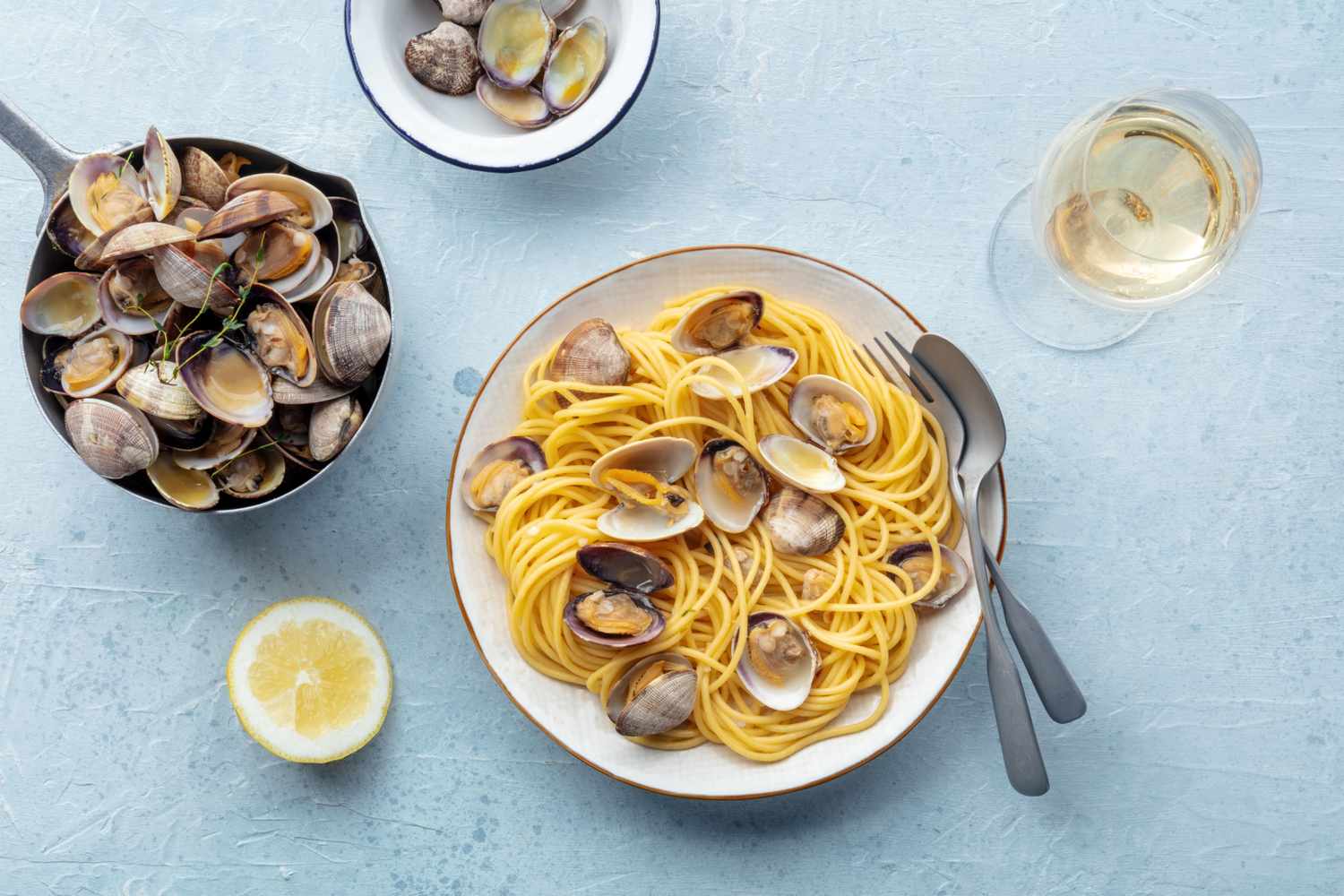
Sauvignon blanc also pairs well with seafood pasta. “Sauvignon blanc highlights the freshness of seafood while complementing garlic, herbs, and citrus notes,” says Balderas.
Alternate options include Vermentino or pinot grigio. “Seafood likes bright, mineral-driven wines,” Chiappetti says. “Vermentino and pinot grigio both have a clean citrus character that tastes great with shellfish and won’t overpower delicate flavors.” But if you’re doing tomatoes with seafood, he recommends a Provence-style rosé. Skip tannic reds because they make fish taste metallic, Chiappetti notes.
Meat
Meat-based pasta dishes pair well with bold red wines. Balderas recommends starting with a cabernet or Montepulciano. “These are big reds with bold tannins that cut through the richness of hearty meat sauces and red meats like rib-eye or lamb,” he says.
“These sauces have depth and richness, so they need a wine with structure,” Chiappetti adds. “Barolo is incredible with slow-cooked beef and pork because it has tannins, acidity and earthiness all working together.” In this case, light wines will get lost in the flavors.
Dining and Cooking