
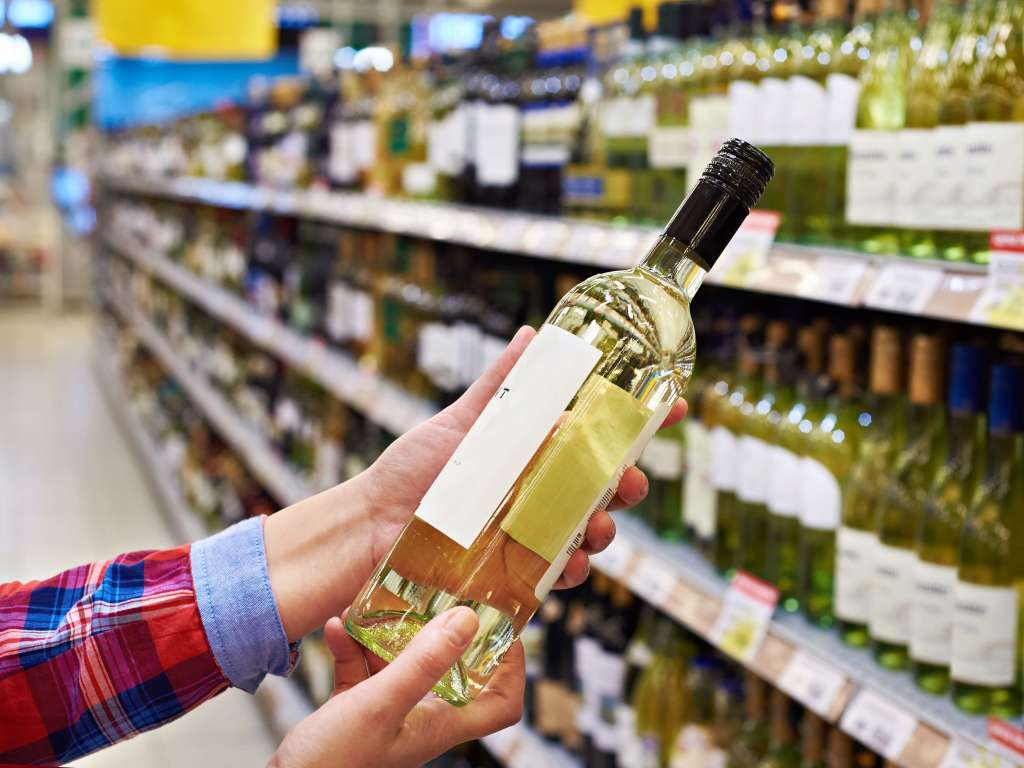
The pending exit of a major distributor of beer, wine and spirits in California has spurred a flurry of dealmaking as producers search for new companies to take their goods to market.
But those who have been watching the industry for a long time see the announcement by RNDC (Republic National Distributing Company) that it would leave the Golden State later this summer as part of a “continuing evolution” of beverage alcohol distribution in California and nationwide for more than two decades.
As sales of wine in the U.S. started to soar 30 years ago, the country had about 1,800 wineries and 3,000 wholesalers, but that ratio flipped by 2023, with nearly 12,000 vintners and 1,000 distributors, according to wine information service Meininger’s International.
“California has always been a very competitive market, very expensive to do business,” said industry analyst Jon Moramarco of BW166 in Santa Rosa.
But it’s also the largest U.S. market for beer, wine and spirits distribution (15%–17% of total volume), he said.
RNDC’s planned pullout stems from multiple factors, including financial pressures and complex union contracts, Mormarco noted.
Bob Hendrickson, CEO of RNDC, on June 5 said the “decision was driven by rising operational costs, industry headwinds, and supplier changes that made the market unsustainable.”
The company has signaled to state employment regulators the closure of nine facilities, involving layoffs of 1,756 employees, according to the notices.
That came after Brown-Forman Corp. announced in February that it was shifting California distributors from RNDC to Reyes Beverage Group, effective in May and it was shifting distributors in 12 other states as of Aug. 1.
“You put it all together and you have less money coming in, and you have still a lot of money going out,” Moramarco said. The distribution shift may signal broader industry changes with bringing in spirits to beer portfolios, with Moramarco suggesting it “won’t surprise me if it happens in some other states.”
Other distributors such as Breakthru Beverage Group, Winebow, Regal Wine Co. and Southern Glazier’s Wine & Spirits have been stepping in to absorb displaced brands in California.
For example, Santa Rosa-based distributor Regal, started in 1993 by Jackson Wine Estates’ Barbara Banke and the late Jess Jackson, has announced in the past month and a half multiple new California accounts: Kobrand Fine Wine & Spirits (including the brands Cakebread Cellars, Domaine Carneros and St. Francis), St. Supery Estate Vineyards & Winery in Napa Valley, and Hope Family Wines of Paso Robles.
Whether other deals are coming and how that affect’s Regal’s operations remains to be seen.
“We’re right in the thick of this transition — still finalizing some partnerships, expanding Regal’s operations, and evolving how we show up in the California market,” said spokesperson Kristen Reitzell.
Meanwhile, Jackson Family Wines announced a national marketing arrangement with Napa Valley-based Boisset Collection. Winebow will continue to distribute certain Boisset labels in California and is the national sales partner.
Wine groups shifting to Breakthru, which entered California with the 2023 acquisition of Wine Warehouse, include Delicato Family Wines, O’Neill Vintners & Distillers, Wilson Daniels’ marketing portfolio and Viña Concha y Toro USA (Fetzer and Bonterra).
“Breakthru entered California two years ago with a clear vision for long-term growth. Since then, we’ve focused on developing a strong commercial infrastructure, driving operational excellence, and adopting new technologies to better serve our partners,” said John Sladek, executive vice president for California.
Among the deals that has come to Southern Glazier’s, one of the biggest distributors nationwide and with a warehouse in Fairfield, in California and other states is Cameron Diaz’s Avaline wine brand and Anheuser-Busch InBev’s spirits brands.
Winebow, based in Delaware and with a Benicia facility, has brought on the likes of Napa’s Crimson Wine Group, Clos Du Val and Hall Family Wines, and Novato-based Distinguished Vineyards.
Australia-based Treasury Wine Estates is looking to replace RNDC’s California distribution, which represented one-quarter of net sales for the Australian company’s Napa-based Americas division (Beringer, Beaulieu Vineyard, Etude, Stags’ Leap Winery, Sterling Vineyard and Daou Vineyards).
Moramarco anticipates a turbulent transition in coming months.
“It’s going to be a bumpy OND [October, November, December] just in terms of getting everything established with a new distributor,” he said. “My view is that things will balance out, and next year will be a more normal year.”
Stepping back to look at the whole wine market, Moramarco is seeing signs of potential stabilization, noting recent data for the last three to four months suggests the decline might be ending or at least flattening.
However, he cautions that challenges remain, including the continued aging of boomers, historically a key wine consuming demographic, and the changing beverage preferences of Gen Z amid a still emerging question as to whether health concerns will have a lasting impact on alcohol consumption.
Jeff Quackenbush covers wine, construction and real estate. Reach him at jquackenbush@busjrnl.com or 707-521-4256.
Dining and Cooking