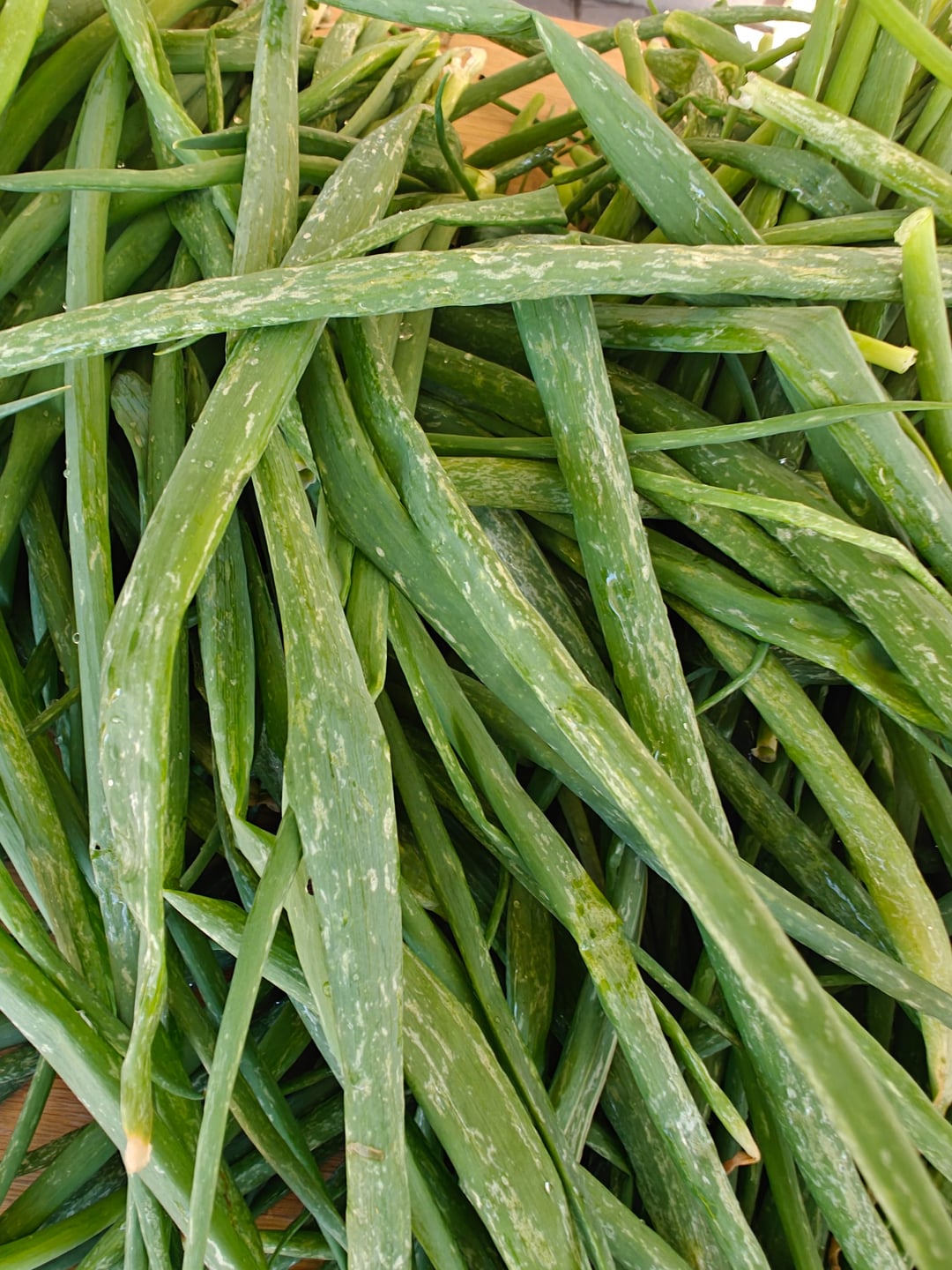
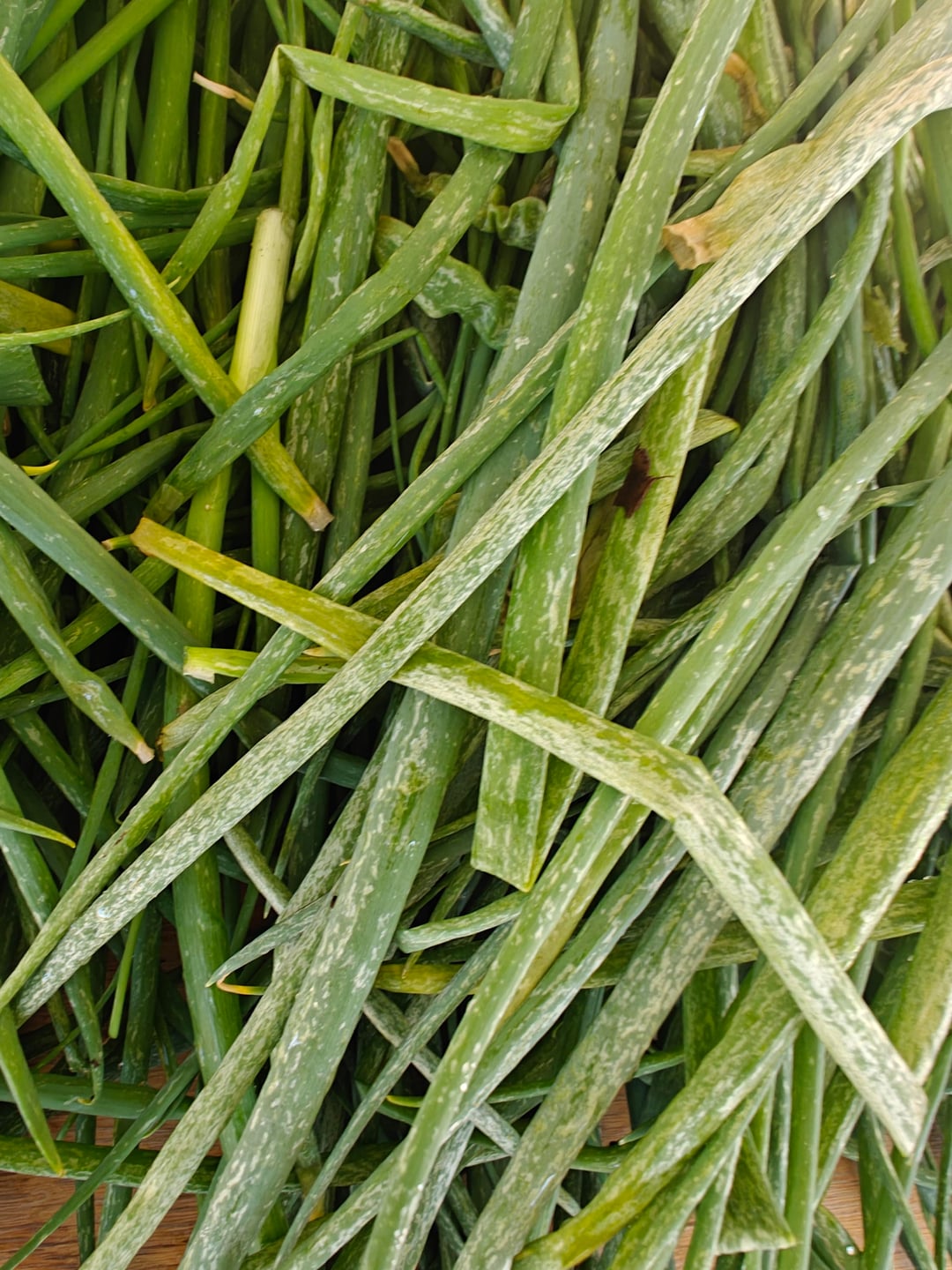
My scallions grow with white streaks. Is this okay to eat?
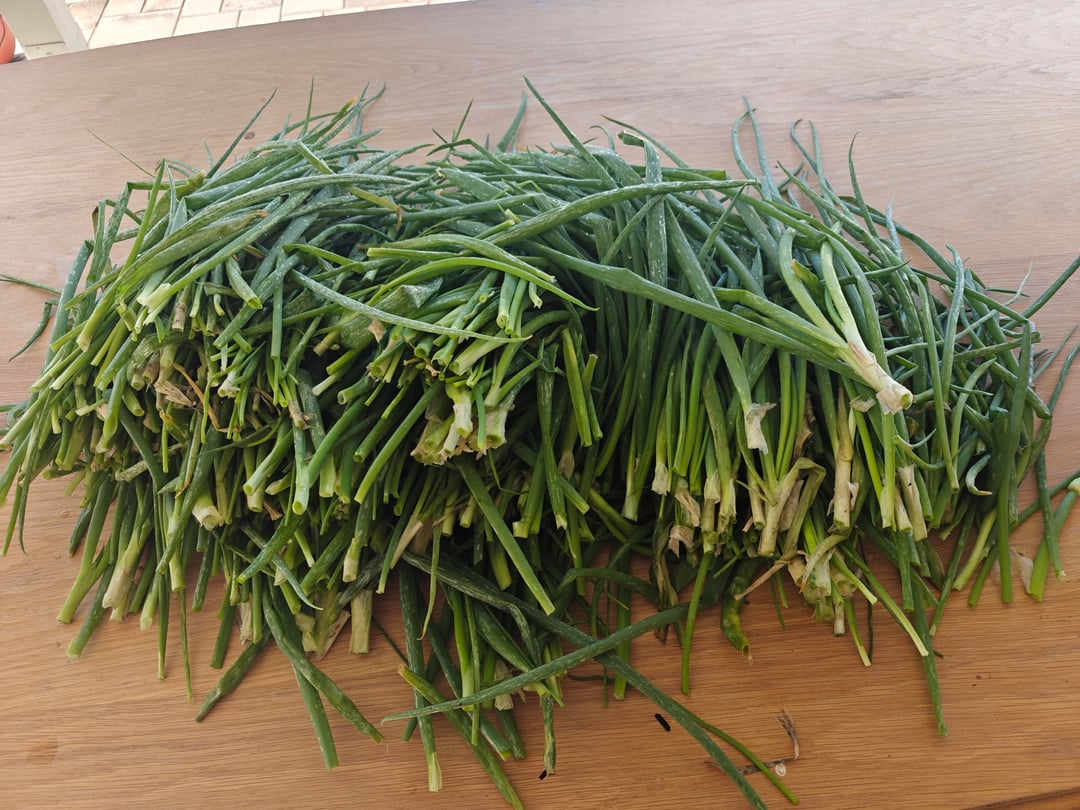
I've cut it back aggressively and it keeps coming back like this. I've removed several smaller scallions to improve spacing this time around. Not sure if this is moldy or diseased.
by EminentAndrew01
5 Comments
Flatland_Mountaineer
Looks like the marks from allium leaf miners
noobwithboobs
That is damage from insects, likely thrips. They are still safe to eat but be careful when you bring them inside because thrips will readily spread to any houseplants you have and do serious damage. Rinse the cut onions off outside first or bring them inside in a sealed bag.
LeZombeee
This is just extensive damage from thrips. Nothing to worry about as far as edibility, but they will not keep well in the fridge and obviously dont look as nice. If you are in a milder climate a perennial scallion patch becomes a haven for thrips which then go to other alliums. So you might consider pulling up the patch and taking a year off alliums, then using proteknet or some other exclusion method when you plant a new patch. Thrips can also be an entry point for secondary infections like purple blotch, etc.
EminentAndrew01
Thank everyone for helping to identify the issue. Judging from other images on the Internet it looks like thrips to me as well. I’ll need to do research on how to manage them responsibly.
halcyonfire
I’ve had thrips in my alliums and a few other crops the last few years. They’re a pain to deal with and most organic sprays (or conventional for that matter) don’t effectively control their populations because part of their lifecycle is spent in the soil.
The only thing that has even put a dent in the issue for me has been predatory nematodes, which I’ve sprayed 4 or 5 times over the last two years. I learned about them from a farm I took a class from a few years back and they’ve proven to be effective for dealing with a number of my more intractable pests (white flies, cherry fruit flies, thrips, army cutworms, beet leaf miner) which has been nice. I would definitely recommend adding them to your IPM strategies.
ETA – Let me know if you’re interested and I can find a link to the ones I used.

5 Comments
Looks like the marks from allium leaf miners
That is damage from insects, likely thrips. They are still safe to eat but be careful when you bring them inside because thrips will readily spread to any houseplants you have and do serious damage. Rinse the cut onions off outside first or bring them inside in a sealed bag.
This is just extensive damage from thrips. Nothing to worry about as far as edibility, but they will not keep well in the fridge and obviously dont look as nice. If you are in a milder climate a perennial scallion patch becomes a haven for thrips which then go to other alliums. So you might consider pulling up the patch and taking a year off alliums, then using proteknet or some other exclusion method when you plant a new patch. Thrips can also be an entry point for secondary infections like purple blotch, etc.
Thank everyone for helping to identify the issue. Judging from other images on the Internet it looks like thrips to me as well. I’ll need to do research on how to manage them responsibly.
I’ve had thrips in my alliums and a few other crops the last few years. They’re a pain to deal with and most organic sprays (or conventional for that matter) don’t effectively control their populations because part of their lifecycle is spent in the soil.
The only thing that has even put a dent in the issue for me has been predatory nematodes, which I’ve sprayed 4 or 5 times over the last two years. I learned about them from a farm I took a class from a few years back and they’ve proven to be effective for dealing with a number of my more intractable pests (white flies, cherry fruit flies, thrips, army cutworms, beet leaf miner) which has been nice. I would definitely recommend adding them to your IPM strategies.
ETA – Let me know if you’re interested and I can find a link to the ones I used.