
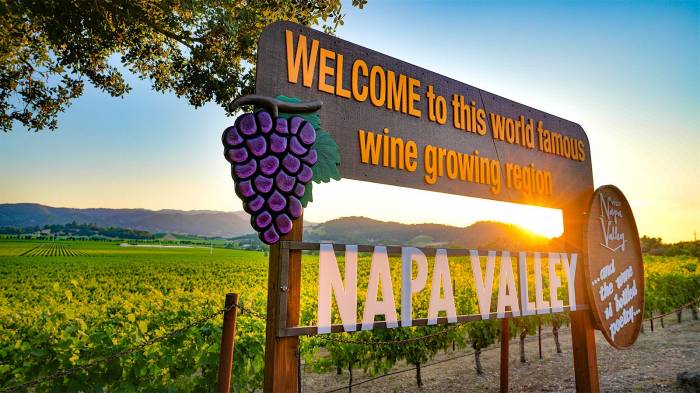
Napa Valley and other California wine regions are facing a significant shift as more vineyards are being removed due to a sharp decline in alcohol consumption across the United States. The trend, which has brought wine drinking to its lowest level since the Prohibition era, is forcing grape growers and winemakers to reconsider their business strategies.
Recent data from Gallup shows that only 54% of U.S. adults now say they drink alcohol, down from over 62% just two years ago. This drop in demand has led to an oversupply of grapes, leaving many growers with more fruit than they can sell. Deepak Gulranjani, owner of Nicholson Ranch in Sonoma, explained that economic pressures are compounding the problem. “Sometimes, there can be economic issues like what’s happening right now,” he said. “From what I read all around California, there’s overproduction because there’s less demand, people are pulling out vineyards.”
The decline in wine consumption is especially pronounced among younger Americans, who are increasingly choosing non-alcoholic beverages over traditional wines. Many cite health and wellness trends as a reason for cutting back on alcohol. Others point to rising prices as a deterrent. For some consumers, the cost of a bottle of wine is no longer justified when compared to other beverage options.
California’s grape harvest in 2024 was about 25% lower than the previous year, but even with reduced yields, demand has not kept pace. Gulranjani noted that last year, many growers in Napa and Sonoma left grapes unharvested because there were no buyers. He expects this pattern to continue through 2025.
The challenges facing California’s wine industry go beyond routine vineyard management or replanting due to disease or aging vines. Economic factors are making it harder for growers to stay afloat. On August 1, the U.S. government imposed new tariffs on wine imports from more than 90 countries. The European Union’s tariff on American wines increased from 10% to 15%, a jump that industry groups warn could eliminate more than 25,000 U.S. jobs and $2 billion in sales.
For consumers, these tariffs mean higher prices at retail stores and restaurants. Kyle Davidson, wine and beverage director at Day Off Group, told Wine Enthusiast that “the tariffs will make every sip of wine more expensive.” He explained that importers facing higher costs will pass those increases on to customers. If domestic wines become more popular as a result, their prices could rise as well due to increased demand.
Popular imported wines like Whispering Angel Rosé are already seeing price hikes. The French rosé typically retails for about $20 in the U.S., but with the new 15% tariff, prices could rise to $23 or more per bottle. For many consumers, especially those watching their budgets, these increases may be enough to discourage regular purchases.
The combination of falling demand and rising prices is creating uncertainty for California’s wine industry. Vineyard owners are making difficult decisions about whether to continue growing grapes or switch to other crops—or even leave their land fallow. As fewer Americans reach for a glass of wine at the end of the day, the landscape of Napa Valley and other iconic regions may look very different in the years ahead.
Dining and Cooking