
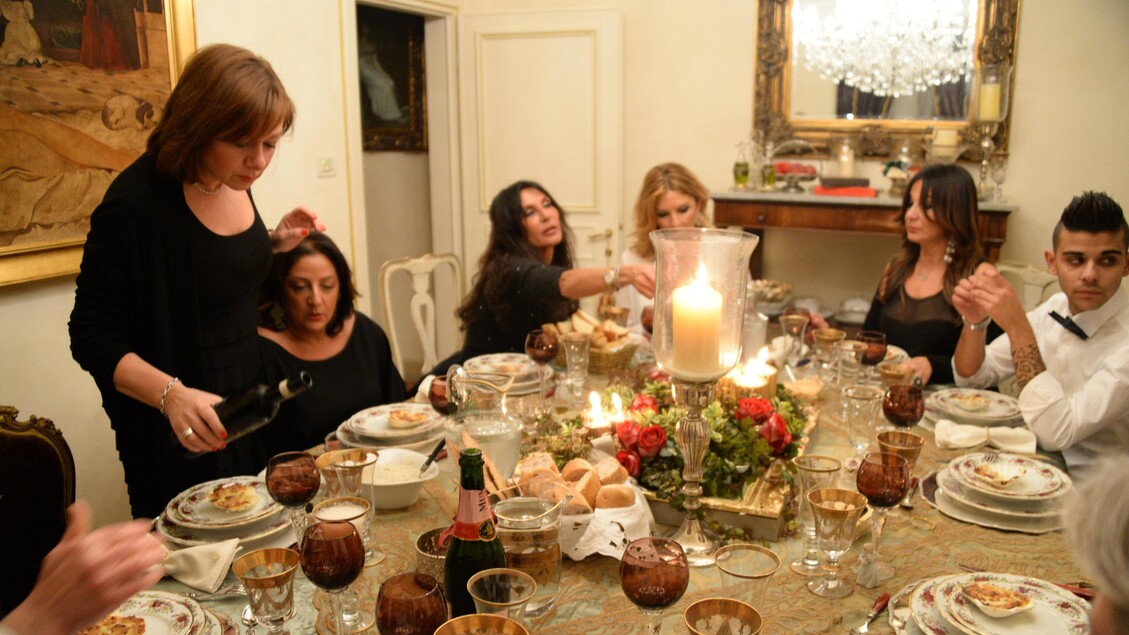
It’s time for the week-long
gastronomic marathon that takes Italians from one lavishly
decorated table to another.
After Christmas Eve, it’s New Year’s Eve: €2.5 billion is the
amount Italians will spend to say goodbye to 2025 and welcome
2026, an increase of €200 million compared to the previous year,
according to a survey by the Confcooperative Research Center.
“This increase,” it is explained, “is not a sign of carefree
spending, but rather of rigor and family spending review: the
persistent cost of living, the increase in the 13th month’s
salary (from 51.3 to 52.5 billion euros), and the employment
boom of 2025, which has led to more Italians in work and higher
family incomes, are taking their toll. In short, the increase in
spending is the result of inflation rather than abundance.”
Habits remain entrenched: 4 in 10 Italians will welcome the New
Year at home, whether at home or with relatives and friends; 3
in 10 will toast while traveling, in the mountains, spas, or
cities of art; another 3 in 10 will choose restaurants and
hotels for their Christmas dinner.
Italian bubbly remains the undisputed leader for festive toasts.
In fact, the top three in terms of preference are Italian-made
sparkling wines and Prosecco: 60 million corks will pop from
bottles, outpacing French Champagne. Lentils, a symbol of
prosperity, are also a must: those from Castelluccio di Norcia,
a symbol of the resilience of the villages of inland Italy, are
sold out.
Tradition and quality remain the guiding principles of the
Italian table, even when budgets dictate. The New Year’s Eve
menu celebrates Italy’s agri-food excellence with a rich and
varied selection.
Desserts top the list, with panettone and pandoro competing for
the last slice, joined by regional sweet specialties such as
struffoli, calzoncelli, torroni, mostaccioli, rococo,
susamielli, panforte, zelten, pangiallo, buccellato, parrozzo,
and cartellate, for a total of €420 million.
Meat, cured meats, and eggs follow with €400 million, while
wines, sparkling wines, and proseccos account for €395 million.
Fish dominates the main course spending list with €380 million,
while fruit, vegetables, and greens reach €305 million.
Spending on pasta, bread, flour, and oil stands at €245 million,
followed by clams and seafood for first courses at €200 million,
decimated this year by the invasion of blue crabs.
Rounding out the festive shopping cart is a platter of fresh and
aged Italian cheeses, worth €160 million. “But the celebration,”
says consumer group Codacons, “isn’t for everyone. Behind the
sparkle of the bubbles, the shadow of poverty looms:
approximately 10 million Italians live in both absolute and
relative poverty, crushed by rent, mortgages, and increasingly
burdensome daily expenses.
For the deprived middle class and those living on the margins,
the New Year’s toast has the bitter taste of exclusion.
Italians’ New Year’s Eve dinner is a faithful reflection of the
country: there are those who resist with dignity and creativity,
bringing the best of national gastronomic tradition to the
table, and those who remain outside the celebration, victims of
a high cost of living that shows no sign of letting up.”
The New Year’s Eve numbers, according to another survey by the
Fipe-Confcommercio Research Office, reflect the moderate
optimism among industry professionals: the balance of responses
between those expecting a better end to the year than the
previous one and those expecting a worsening is positive.
“The increase in restaurant patronage for New Year’s Eve must be
interpreted in light of the profound changes affecting society.
Despite a still challenging economic climate, families are
taking advantage of the holidays to free themselves from daily
commitments, and therefore also from the burden of organizing a
convivial event like New Year’s Eve dinner, by choosing a
restaurant.
“On the other hand, we have a highly diversified offering,
making it accessible to customers’ varying spending power,”
emphasizes Lino Enrico Stoppani, president of
Fipe-Confcommercio.
“With this positive outlook, a less than stellar year for the
sector comes to a close, with declining attendance and
essentially stable nominal consumption figures.
“This was further enhanced, however, by the recognition of
Italian cuisine as part of UNESCO’s intangible world heritage,”
he concludes.
ALL RIGHTS RESERVED © Copyright ANSA
Dining and Cooking