Yep and it’s traditionally shark and Greenland shark is the preferred though they don’t legally hunt it, if you “accidentally” catch it you can keep it. Sad since Greenland sharks take around 150 years before they reach maturity to reproduce so it’s bad for their populations.
It has nothing to do with lack of refrigeration. The shark that is native to that area which they eat is normally toxic to humans, so they discovered a cheat code to be able to eat it. Basically hang it in barns for months and let it rot.
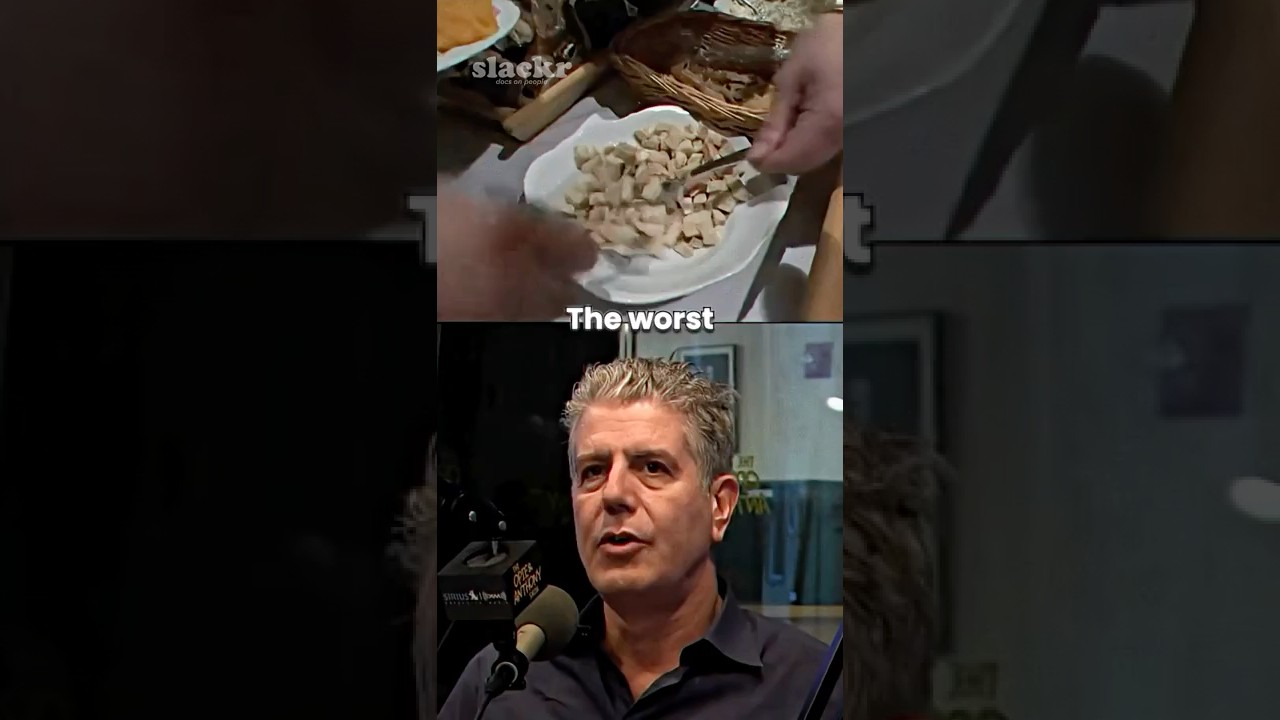
I'm Icelandic, and I can clarify a bit about hákarl. Hákarl is eaten pretty much once per year, during Þorrablót. Þorrablót is a mid-winter festival that focuses on Icelandic culture and is often celebrated with various traditional food, Hákarl included. Even during the blót it's usually not eaten in larger quantities than a few cubes on a toothpick, and even then, many people don't eat it. The thing about Hákarl is that it isn't all that good. I personally don't mind it, and my dad loves it. It historically was very much poverty food, what got eaten when the other option was to outright starve. Back then, you didn't have an option to waste anything. You catch this shark that is toxic, so you leave it to sit. You then run out of food and go back to the shark because it is all that is left and find out it isn't all that bad anymore, and it doesn't kill you.
Today, it really depends on the hákarl and what you're used to. When I was a kid, my dad had a friend who worked at Bjarnastaðir, a farm in Snæfellsnes, and they made delicious hákarl that was not like someone just took a piss in your mouth. This we did eat that quite often. A few cubes a year. The cubes that are sold were about a 500g-1kg. Today hákarl is made stronger and worse tasting than it needs to be for some a kind of "macho" contest when drinking. So, outside of Þorrablót there isn't a whole lot of demand for shark from locals. Most don't mind it, few enjoy it, and even fewer, go out and pick it up as a Sunday snack like my dad. It is mostly a tourist thing. Harðfiskur and butter is where it's at in the bite-size fish department. It is dried cod.
Fermented Skate, kæst skata, is also eaten on the 23rd of December in a lot of homes. It is another thing to honor culture and history, specifically to honor our patron saint. This is another food that was some of the only things available during harsh winters. Skate was available year round actually and was some of the only meat you could have. Iceland has a really poor history, and we are all essentially survivors. Even today, our home is trying to kill us through various problems.
Part of the reason many people don't mind these things is that we really like sour foods. It is part to do with history, but we just kept doing it. Pickling, fermenting, and adding acids to cure meats. We have sour ram testicles called hrútspungar. Slátur which is made of sheeps innards. There are two types, and one is like haggis from Scotland. Many people will sprinkle it with sugar to cut the sour taste it has. Cured lambs head is also popular with those of us older than 20 and is sadly beciming less common. We also have sour whales fat called súr hvalur, which isn't very popular, I'll admit. Just all around a lot of sour foods. Sour might sound bad, but I can't think of a better word to translate the taste. Usually you wash it down with our national drink brennivín which is similar to gin but with other botanicals like caraway, coriander, and other such things. They are common Scandinavian/Nordic flavors. It is also eaten with other foods.

25 Comments
Still better than beans on toast 😂😂
Hey, I just watched that episode!… that is all..
I'll stick with my moose nose and beaver tails
Yep and it’s traditionally shark and Greenland shark is the preferred though they don’t legally hunt it, if you “accidentally” catch it you can keep it. Sad since Greenland sharks take around 150 years before they reach maturity to reproduce so it’s bad for their populations.
Laufey disagrees😂
It stinks. You can smell it for miles when you pass the cities in which it’s made
Unga bunga
Amazing the things people do in the name of tradition.
Someone once described eating this as “chewing on a piss soaked mattress.” Yeah im good on that
This is why when people ask me if Swedish food is good when I tell them I’m Swedish, I answer honestly, it’s garbage you don’t want none 😂
Probably still better than jellied eel, prepared the traditional British way that is seasoned with water.
Saying a thing that them vikings ate isn’t a good thing when you never had to fight the big bastards 😂
It's a scavenging thing…
It's fermented shark. The Shark is poisonous if eaten with their fermentation process. It's not putrified.
Their ground was a refrigirator…
It has nothing to do with lack of refrigeration. The shark that is native to that area which they eat is normally toxic to humans, so they discovered a cheat code to be able to eat it. Basically hang it in barns for months and let it rot.
Hot Carl?
Hot Carl? 👀
I'm Icelandic, and I can clarify a bit about hákarl. Hákarl is eaten pretty much once per year, during Þorrablót. Þorrablót is a mid-winter festival that focuses on Icelandic culture and is often celebrated with various traditional food, Hákarl included. Even during the blót it's usually not eaten in larger quantities than a few cubes on a toothpick, and even then, many people don't eat it. The thing about Hákarl is that it isn't all that good. I personally don't mind it, and my dad loves it. It historically was very much poverty food, what got eaten when the other option was to outright starve. Back then, you didn't have an option to waste anything. You catch this shark that is toxic, so you leave it to sit. You then run out of food and go back to the shark because it is all that is left and find out it isn't all that bad anymore, and it doesn't kill you.
Today, it really depends on the hákarl and what you're used to. When I was a kid, my dad had a friend who worked at Bjarnastaðir, a farm in Snæfellsnes, and they made delicious hákarl that was not like someone just took a piss in your mouth. This we did eat that quite often. A few cubes a year. The cubes that are sold were about a 500g-1kg. Today hákarl is made stronger and worse tasting than it needs to be for some a kind of "macho" contest when drinking. So, outside of Þorrablót there isn't a whole lot of demand for shark from locals. Most don't mind it, few enjoy it, and even fewer, go out and pick it up as a Sunday snack like my dad. It is mostly a tourist thing. Harðfiskur and butter is where it's at in the bite-size fish department. It is dried cod.
Fermented Skate, kæst skata, is also eaten on the 23rd of December in a lot of homes. It is another thing to honor culture and history, specifically to honor our patron saint. This is another food that was some of the only things available during harsh winters. Skate was available year round actually and was some of the only meat you could have. Iceland has a really poor history, and we are all essentially survivors. Even today, our home is trying to kill us through various problems.
Part of the reason many people don't mind these things is that we really like sour foods. It is part to do with history, but we just kept doing it. Pickling, fermenting, and adding acids to cure meats. We have sour ram testicles called hrútspungar. Slátur which is made of sheeps innards. There are two types, and one is like haggis from Scotland. Many people will sprinkle it with sugar to cut the sour taste it has. Cured lambs head is also popular with those of us older than 20 and is sadly beciming less common. We also have sour whales fat called súr hvalur, which isn't very popular, I'll admit. Just all around a lot of sour foods. Sour might sound bad, but I can't think of a better word to translate the taste. Usually you wash it down with our national drink brennivín which is similar to gin but with other botanicals like caraway, coriander, and other such things. They are common Scandinavian/Nordic flavors. It is also eaten with other foods.
Nn
If bacteria don't want it neither do I
I love Bourdain! Forever in my heart. Thanks for sharing these clips
Naming a food Hot Carl should be a dead giveaway that it is going to taste like shite
How was the heroin there
Boy said hard carl. Its pronounced charcoal lil bro