
Home
»
EUROPE
»
2025 Rural Tourism in Italy: A Gourmet Journey Through Tuscany, Piedmont, and Umbria
Published on
January 2, 2026
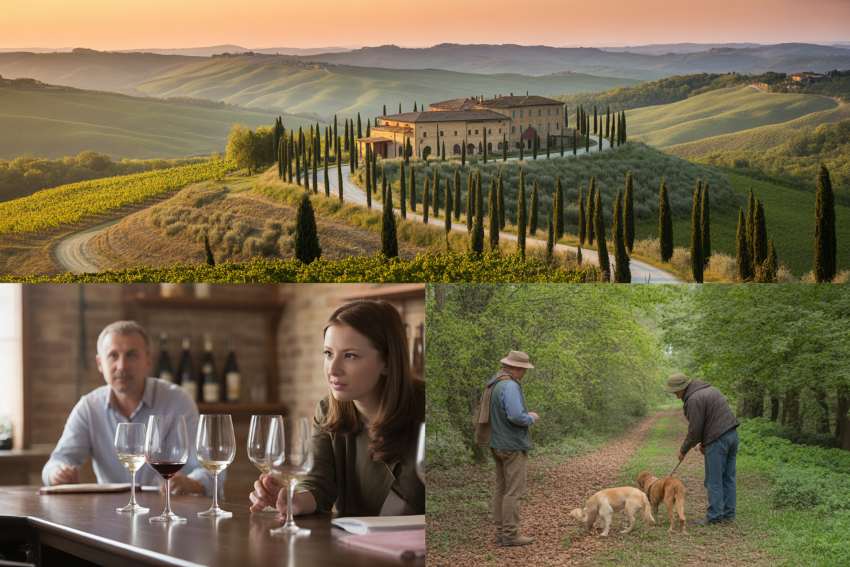
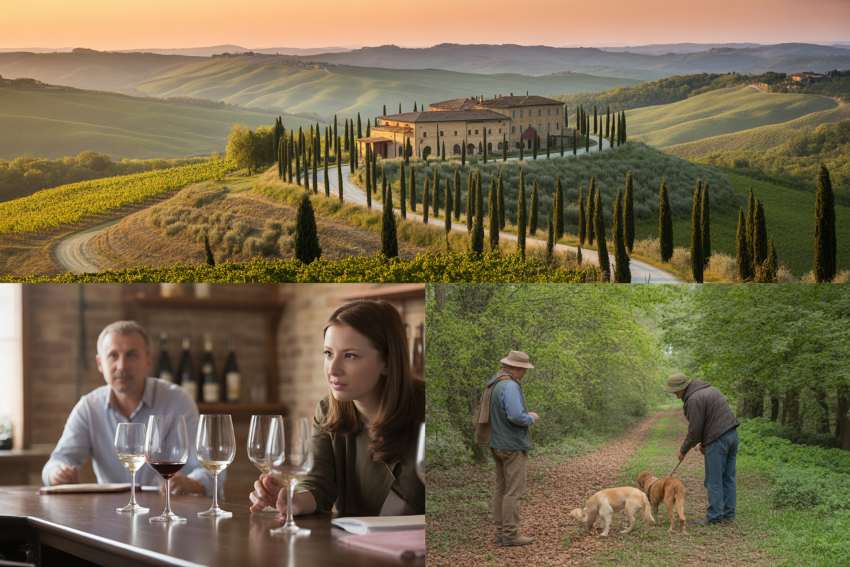
Italy has long been regarded as one of the world’s most desirable travel destinations, with its rich cultural, culinary, and architectural heritage. In 2025, the country intends to focus more of its tourism efforts in rural areas, where gastronomic experiences, particularly those centred on wine and truffles, are expected to take centre stage. Local governments are increasing efforts to promote rural tourism by providing unique and immersive experiences that go beyond the well-travelled paths of major cities.
Truffle and Wine Tourism: A Growing Focus
Italy’s agricultural regions are set to become the focal point for a growing tourism sector that highlights the country’s culinary excellence. In particular, 2025 will see Tuscany, Piedmont, and Umbria emerge as key destinations for those seeking a taste of Italy’s rural wonders. These regions, known for their fertile soil and favourable climate, are renowned for producing some of the world’s finest truffles and wines. It is these natural gifts that are now being used to craft specialized itineraries for travelers, allowing them to explore the authentic flavors of Italy.
The rising popularity of gastronomic tourism has driven local authorities to focus on expanding the range of authentic experiences available to international and domestic visitors alike. Tuscany’s renowned vineyards, Piedmont’s truffle-hunting regions, and Umbria’s rich food culture are all key players in this strategic push to elevate rural tourism. Tourists can expect to enjoy exclusive wine and truffle tastings, visit local wineries, and take part in guided vineyard tours that offer insights into the art of Italian wine production and truffle foraging.
Regional Excellence: Tuscany, Piedmont, and Umbria
Tuscany, a region synonymous with the best of Italian culture, continues to be a major highlight for rural tourism. Known for its rolling hills, historic towns, and world-class wines, Tuscany remains an essential stop for food lovers. Local wineries here are offering tourists the chance to immerse themselves in a rich, centuries-old tradition of winemaking, complemented by stunning vineyard landscapes. The region’s famous Sangiovese grapes are the backbone of its celebrated Chianti wines, and visitors will have the chance to explore these vineyards and learn about their role in shaping Tuscany’s gastronomic identity.
Piedmont, with its cool climate and rich soil, is home to the prized white truffle, which is at the heart of the region’s culinary fame. Truffle hunters and their specially trained dogs guide tourists on truffle-hunting excursions through the misty forests, giving travelers the chance to hunt for this rare and aromatic delicacy. Visitors can also enjoy local culinary experiences that showcase truffles as the star ingredient in a variety of traditional dishes, paired with wines from the area’s celebrated Barolo and Barbaresco vineyards.
In Umbria, often referred to as the “green heart” of Italy, the food scene is just as enticing. The region is known for its prized black truffles and full-bodied wines, such as Sagrantino. Visitors can experience a true taste of rural Italy by partaking in local festivals, market visits, and cooking classes that showcase the region’s diverse flavors. This combination of rustic charm, ancient traditions, and the best of Italian gastronomy offers travelers a more intimate connection with Italy’s countryside.
A National Strategy for Gastronomic Tourism
Italy’s shift towards rural gastronomic tourism aligns with a broader national strategy to position the country as the world’s capital of gastronomy. By focusing on the deep-rooted traditions of local food production, Italy is hoping to foster sustainable tourism practices that benefit local communities. The emphasis on food and wine in rural settings not only attracts visitors but also provides an economic boost to regions that have traditionally been overlooked in favour of cities like Rome, Milan, and Venice.
Festivals and events dedicated to food and wine will play a pivotal role in attracting international tourists in 2025. These festivals provide an authentic taste of Italy’s gastronomic culture and offer a platform for local producers to showcase their products to the world. Through collaborations with restaurateurs, winegrowers, and artisans, Italy is crafting unique and personalized tourist packages designed to create unforgettable experiences for visitors.
Local authorities are working closely with hospitality providers to ensure that these rural areas are well-equipped to meet the growing demand for quality accommodations, local experiences, and sustainable tourism initiatives. By promoting smaller towns and villages, the country aims to help visitors discover the hidden gems of Italy while supporting local economies and preserving the authenticity of the regions.
Italy’s Rich Cultural and Culinary Heritage Combined
Italy’s reputation as a hub for art, culture, and history has long been established. By combining gastronomic tourism with the rich cultural heritage found in rural regions, the country is offering visitors a well-rounded experience that spans art, history, and food. Local communities, especially those in Tuscany, Piedmont, and Umbria, are embracing this fusion, where travelers can enjoy guided visits to historical landmarks and art galleries, alongside their wine and truffle tours.
This multi-faceted approach provides tourists with a deeper understanding of Italy’s long-standing traditions, offering a cultural immersion that extends far beyond the vineyards and forests. The Italian countryside is a living museum, where centuries of history blend seamlessly with the country’s culinary prowess.
Sustainable and Authentic Tourism
Sustainability is a key component of Italy’s rural tourism strategy. As more travelers seek authentic and environmentally responsible experiences, Italy’s emphasis on sustainable tourism offers an alternative to mass tourism. The use of organic farming methods, support for local food producers, and the preservation of Italy’s natural landscapes all contribute to a tourism model that prioritizes environmental responsibility.
By encouraging visitors to explore rural Italy, the country aims to divert tourism away from overburdened city centres and spread the economic benefits across the country. This approach also helps to preserve the delicate ecosystems that make regions like Tuscany, Piedmont, and Umbria so unique. The collaboration between local authorities, food producers, and the hospitality industry ensures that tourism is developed in a way that respects Italy’s cultural and environmental heritage.
A Bright Future for Italian Rural Tourism
As Italy prepares for 2025, the country is positioning itself to be a global leader in rural gastronomic tourism. With its breathtaking landscapes, rich cultural heritage, and world-class food and wine, Italy provides an unparalleled experience for travellers seeking to immerse themselves in the genuine beauty of its rural regions. Tuscany, Piedmont, and Umbria are at the centre of this transformation, providing unique, sustainable, and unforgettable experiences that will appeal to foodies, history buffs, and nature lovers alike.
Italy’s commitment to promoting rural tourism not only highlights the beauty of the Italian countryside, but it also helps the country achieve its long-term economic and environmental goals. For those looking for an authentic Italian experience, 2025 will undoubtedly be the year to discover Italy’s truffle and wine tourism options in their natural, rustic setting.
As more tourists seek to escape the hustle and bustle of city life, Italy’s rural treasures await discovery, providing visitors with the opportunity to experience the authentic flavours and landscapes of one of the world’s most cherished countries.

Dining and Cooking