
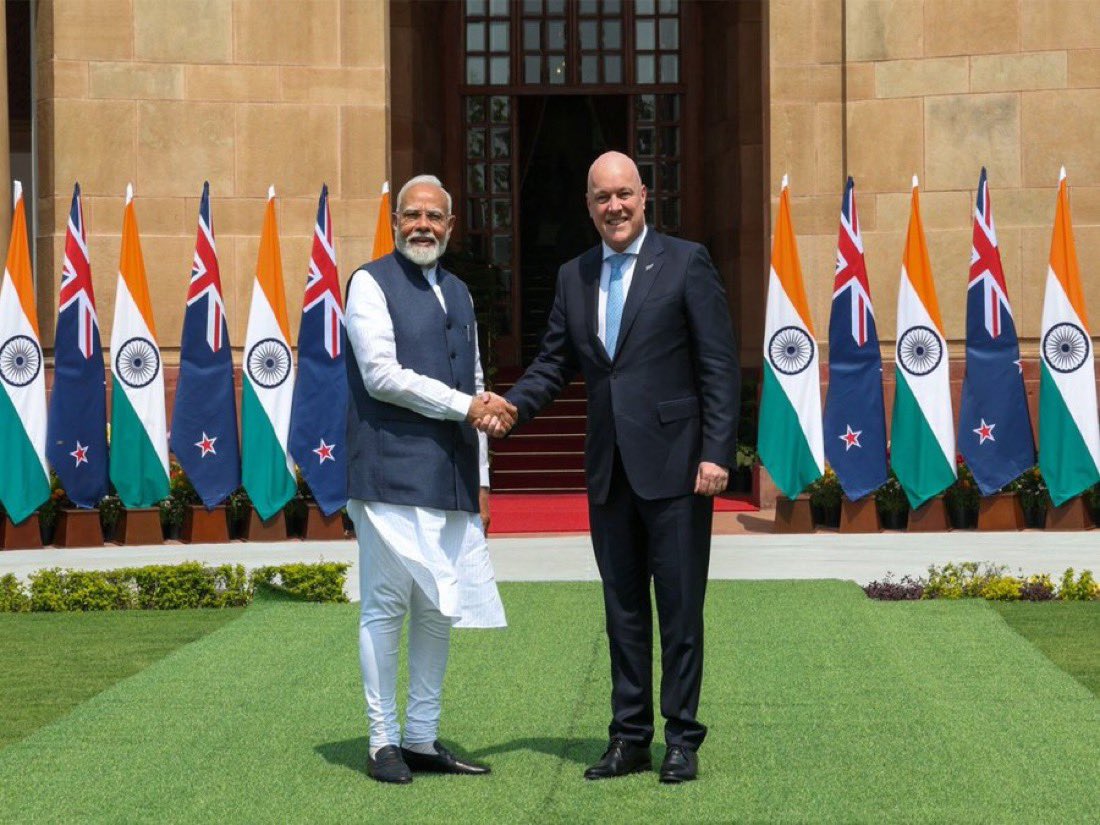
India opens door to New Zealand wine with steep tariff cuts under landmark Free Trade Agreement.
India could cut its steep wine tariffs of 150% on New Zealand wines to as low as 25% over the next decade, after India and New Zealand signed a landmark Free Trade Agreement (FTA) that promises what New Zealand officials described as “unprecedented” access to the world’s fourth-largest economy.
“Concluded in just nine months, this historic milestone reflects a strong political will and shared ambition to deepen economic ties between our two countries,” Indian Prime Minister Narendra Modi said.
“This once-in-a-generation agreement creates opportunities New Zealand exporters have never had in India,” said New Zealand’s Trade and Investment Minister Todd McClay. “This deal is in New Zealand’s best interest and will deliver thousands of jobs and billions in additional exports.”
Under the agreement, tariffs will be eliminated or reduced on 95% of New Zealand’s exports to India—among the most comprehensive outcomes achieved by India in any FTA. More than half of New Zealand’s exports will become tariff-free immediately, rising to over 80% once the agreement is fully phased in.
In return, India will receive zero-duty market access for all its exports to New Zealand.
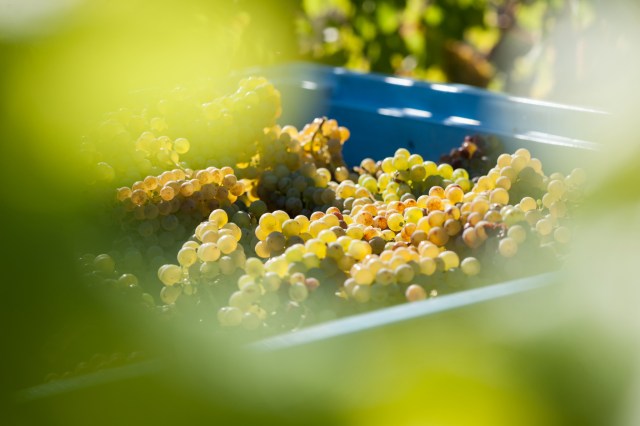 New Zealand wine will enjoy reduced tariffs as low as 25% based on the FTA (Photo Credit: NZW.Inc. Mishas Vineyard)
Wine Tariff Reductions
Wine will not benefit from immediate tariff elimination under the FTA, but will see substantial reductions.
According to the terms of the agreement, India has committed to phasing down wine import tariffs from 150% to either 25% or 50% over a 10-year period, depending on the value of the wine. The deal also includes a Most Favoured Nation (MFN) commitment, ensuring the reduced rates apply on a non-discriminatory basis and cannot be selectively reversed.
India currently ranks as New Zealand’s 12th-largest market for goods and services, accounting for about 1.5% of total exports.
The country is the fastest-growing G20 economy and recently overtook Japan to become the world’s fourth-largest economy. By 2030, India is expected to become the third-largest economy globally, with GDP projected at US$7 trillion and a middle class exceeding 700 million people.
Despite this scale, New Zealand’s wine exports to India remain marginal, highlighting how restrictive tariffs have limited market access. According to export data published by New Zealand Winegrowers, New Zealand shipped just 22,787 litres of wine to India in the first 10 months of 2025, worth NZ$294,329.
Over the same period, New Zealand exported approximately 270 million litres of wine globally, worth around NZ$1.95 billion, leaving India well below 0.1% of total export volume and value.
“Presently our exports to india are small, but there is a lot of interest being expressed from our members,” says Charlotte Read, General Manager Brand at New Zealand Winegrowers. “The agreement is positive news for the New Zealand wine industry as our member wineries will be able to plan with certainty for reduced tariffs over the next decade.”
“Around the world, New Zealand is renowned for its premium, distinctively refreshing and sustainable wine. This reputation will support a point of difference for wineries looking to expand their international presence in the fast growing Indian wine market,” she added.
Besides New Zealand, India has already reduced its 150% tariffs on Australian wine to 75% under a free trade agreement and is currently negotiating with the European Union over potential tariff cuts on wine as part of ongoing trade talks.
In a joint statement, the two governments said the FTA is expected to significantly deepen bilateral economic engagement, improve market access, encourage investment flows and strengthen strategic cooperation.
Both sides expressed confidence that bilateral trade could double within five years, with New Zealand investment in India projected to reach US$20 billion over the next 15 years.
However, several key sectors remain excluded from the agreement. India has withheld market access for sensitive products central to New Zealand’s export interests, most notably dairy and other agricultural goods including milk, cheese, cream, butter, yoghurt, onions, sugar, edible oils, spices and rubber, citing the need to protect domestic farmers and small and medium-sized industries.
Like this:
Like Loading…
Discover more from Vino Joy News
Subscribe to get the latest posts sent to your email.
Continue Reading
Dining and Cooking