
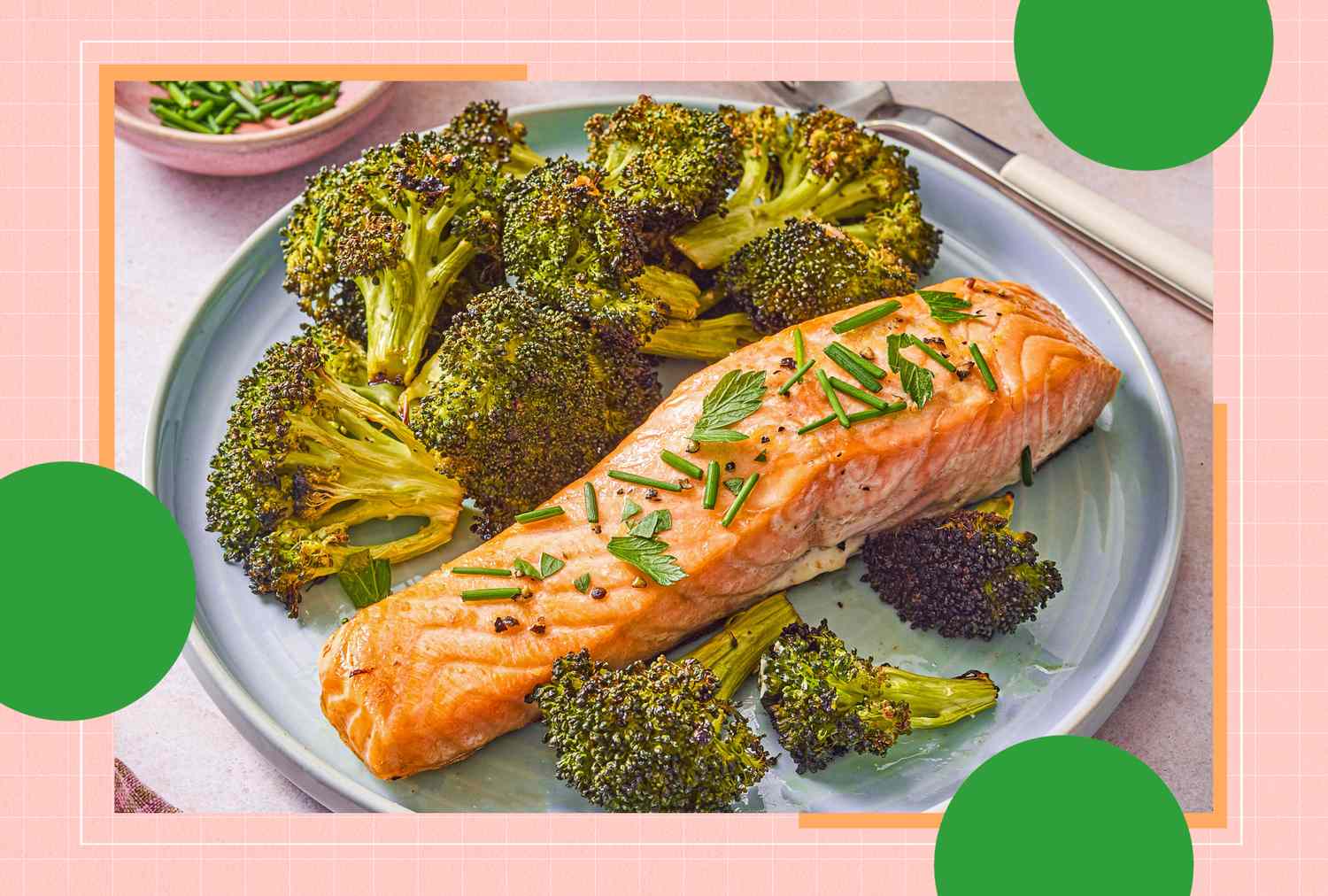
The Mediterranean diet has been shown to help lower cholesterol levels. It delivers fiber and antioxidants, limits saturated fat, and can help with weight loss. You don’t need to overhaul everything you eat, as small dietary changes can be impactful.
Cholesterol numbers higher than you’d like to see? Switching things up on your plate can definitely make a dent in your cholesterol. Your doctor may also suggest a prescription to keep your levels in check. One top dietary possibility: the Mediterranean diet. “As a cardiologist, the Mediterranean diet is the first diet I reference for patients trying to prevent cardiovascular disease and improve their cholesterol numbers,” says Andrew Adelsheimer, M.D.
This eating pattern, based on the diet habits of the countries that surround the Mediterranean Sea, emphasizes minimally processed foods like whole grains, fruits, vegetables, legumes, olive oil and seafood. It’s not only delicious and relatively easy to follow—it has also repeatedly been linked to improved cholesterol levels. Studies show that the more closely people follow a Mediterranean-style eating plan, the more likely they are to raise their “good” cholesterol and lower their “bad” and total cholesterol.
Here’s a closer look at the reasons this diet has so much to offer for cholesterol.
How the Mediterranean Diet Impacts Cholesterol
High Fiber Lowers Cholesterol
If there’s one nutrient you’ll get plenty of on a Mediterranean diet, it’s fiber. Med diet–friendly foods like beans, legumes, whole grains and vegetables are all rich in this important carbohydrate. For cholesterol, that’s a very good thing! “Fiber acts like a sponge in your digestive tract, trapping cholesterol so it’s excreted and not absorbed into your bloodstream,” explains Anne Danahy, M.S., RDN. In study after study, a higher intake of fiber has been linked to lower total and LDL cholesterol.
Fiber also keeps cholesterol in check by trapping bile acids, Danahy says. “These are made from cholesterol and are necessary for digestion. When bile acid levels get too low, your liver pulls cholesterol from your blood to make more bile acids. That helps lower cholesterol levels.”
Antioxidants Combat Inflammation
The Mediterranean diet is famous for its colorful rainbow of plant foods. All that color is “code” for high antioxidants. You may have heard that antioxidants dial down inflammation—but did you know they also have a role to play in cholesterol? According to Adelsheimer, the antioxidants in fruits, vegetables, olive oil, nuts and herbs help to reduce the oxidation of LDL (bad cholesterol), decreasing its capacity to form plaque in arteries.
That’s not all. Antioxidants also enhance HDL (“good”) cholesterol’s ability to remove fat particles from the bloodstream, Adelsheimer says.
Low Saturated Fat Steadies Cholesterol Levels
For years, experts believed that cholesterol in foods equated to cholesterol in the arteries. Now, current research shows that saturated fat in the diet is probably a greater driver of fatty buildup. Unlike a standard American diet, a Mediterranean diet keeps saturated fat to a minimum. “This is a major cholesterol-lowering feature of the diet,” says Adelsheimer. “Specifically, the Mediterranean diet emphasizes olive oil over butter, and fish and plant protein over red meat, both lowering saturated fat intake.”
If you’re transitioning to a Mediterranean-style eating pattern, swaps like these are a great place to start. “Replacing saturated fat with unsaturated fat helps to decrease the production of LDL (bad) cholesterol, and that may lead to a lower total cholesterol and improved ratio of good to bad cholesterol,” says Sheri Gaw, RDN, CDCES.
Weight-Loss Effects May Lower Cholesterol
Though weight loss might not be your goal on a Mediterranean diet, it could be an ancillary benefit—one with surprising dividends for heart health. The diet often yields significant weight loss. Some studies show that people who stick with it long term have a two-fold increased likelihood of maintaining their weight loss.
Losing weight can further lower cholesterol, Adelsheimer says. Overweight and obesity are risk factors for high cholesterol, and slimming down reduces the amount of fat your body stores, bringing cholesterol levels down.
Is the Mediterranean Diet Safe for Everyone?
Since a Mediterranean diet doesn’t stipulate meal timings, macronutrient ratios or calorie restriction, it’s accessible to just about anyone. “Unlike some other diets which aggressively promote or restrict certain food groups, the Mediterranean diet can be applied conceptually, and to any palate or lifestyle preference,” says cardiologist Bibhu Mohanty, M.D.
According to Danahy, the diet can be a healthy choice for most people. And even if there are foods you need to avoid due to allergies, sensitivities or taste preferences, the Mediterranean diet generously accommodates ingredient workarounds. Can’t do gluten? Fill in the gap with other whole grains. Not a dairy fan? Get healthy fats from fish and olive oil instead.
5 Ways to Enjoy the Mediterranean Diet for Better Cholesterol
You can use a Mediterranean diet to jump-start your journey toward healthier cholesterol in these ways:
Take it step by step. A complete diet overhaul isn’t always the right path. “Slowly shifting meals to Mediterranean diet principles and monitoring what is taken in during snacking are good ways to start,” says Mohanty.
Experiment with new fruits and veggies. It’s common to get into a rut and buy the same produce each week, Danahy says. If you’re feeling blah about your fruit and veggie choices, try one or two new options each week to increase antioxidant intake. “This is a great way to eat more seasonal produce and discover some new favorites,” she says.
Switch to olive oil. This one’s an easy fix for cholesterol! “Swap out butter for olive oil when sautéing or baking to improve cholesterol by replacing saturated fat with unsaturated fat,” Gaw suggests.
Make half your grains whole. The high fiber of whole grains is a cornerstone of the Med diet’s cholesterol-lowering effects. Take the USDA’s suggestion of making half your grains whole. Try a farro salad, quinoa grain bowl or whole-wheat sourdough.
Go meatless once a week. Removing meat can cut down on saturated fat while making room for fiber and antioxidants. “Swap lentils, beans or tofu for meat in dishes like soups, stews and chili,” Danahy suggests.
Our Expert Take
The Mediterranean diet’s combination of heart-healthy choices provide an excellent “recipe” for managing cholesterol. It can help you eat less saturated fat and more fiber, lower inflammation, and may lead to weight loss. If you’ve been diagnosed with high cholesterol, be sure to follow your doctor’s instructions for medication and lifestyle changes—and don’t be surprised if they include a Mediterranean diet.
Frequently Asked Questions
Will a Mediterranean diet lower cholesterol?
There’s compelling evidence that a Mediterranean diet helps lower cholesterol. How much it will do so is largely a matter of how closely you follow its principles, such as eating foods high in fiber and antioxidants and low in saturated fat.
Which foods are recommended for the Mediterranean diet?
A Mediterranean diet focuses on whole foods like fruits and vegetables, legumes, nuts, seeds, whole grains, olive oil, seafood, eggs and small amounts of meat and dairy.
How long does it take to lower cholesterol?
Lowering cholesterol is a highly individual process. For some people, diet and lifestyle changes may move the needle on cholesterol numbers within a few weeks. For others, it may take months. Ask your doctor about how often you should have your levels checked to monitor progress.
Dining and Cooking