
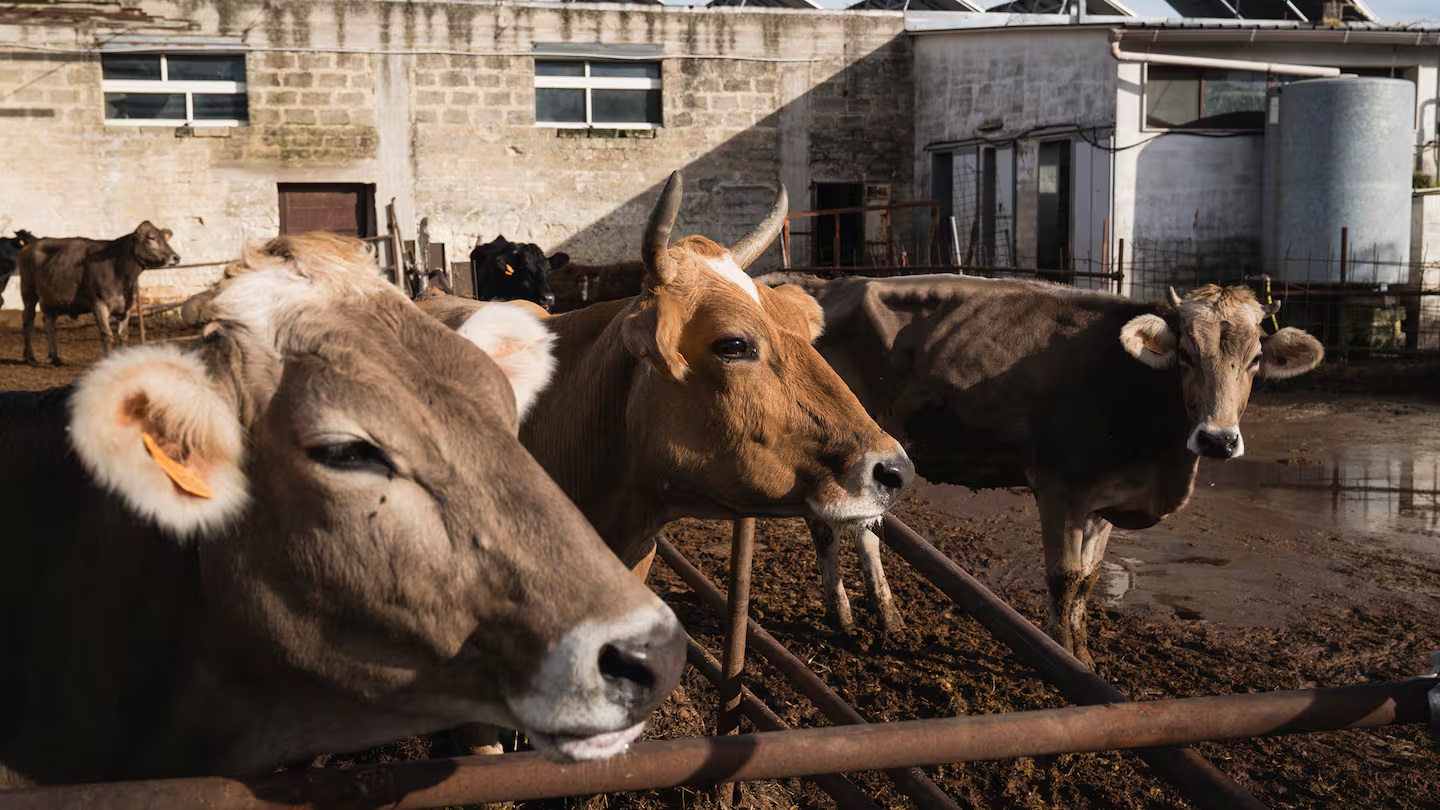
Scientific evidence supports what cheesemakers feel in their hands. According to Umberto Bernabucci of the University of Tuscia, heat and humidity can reduce milk yields by 3% to 20%, and in some cases up to 30%, while also degrading protein and fat levels critical for cheesemaking. Analysis by dairy research centre CLAL shows Italian milk production fell an average of 17.2% between March and September from 2022 to 2024, compared with a 15.5% decline in the prior three-year period.
The impact is magnified by booming demand. Tourism and exports of Italian cheeses such as burrata and ricotta are surging, yet domestic milk supplies are tightening. With farmers operating on thin margins, even modest production drops can trigger what economists describe as a potential “milk apocalypse,” leaving some producers unable to fulfil orders despite strong market demand.
Farmers are attempting to adapt through mitigation strategies, including installing fans and water misters to cool barns, sometimes activating them at temperatures as low as 20°C. However, these investments are costly and only partially effective. Studies suggest cooling can offset at most about half of heat-related production losses, while rising energy and feed costs further erode profitability. Italy’s main farmers’ union, Coldiretti, warns that nearly one in 10 dairy farms nationwide risks closure.
Dining and Cooking