
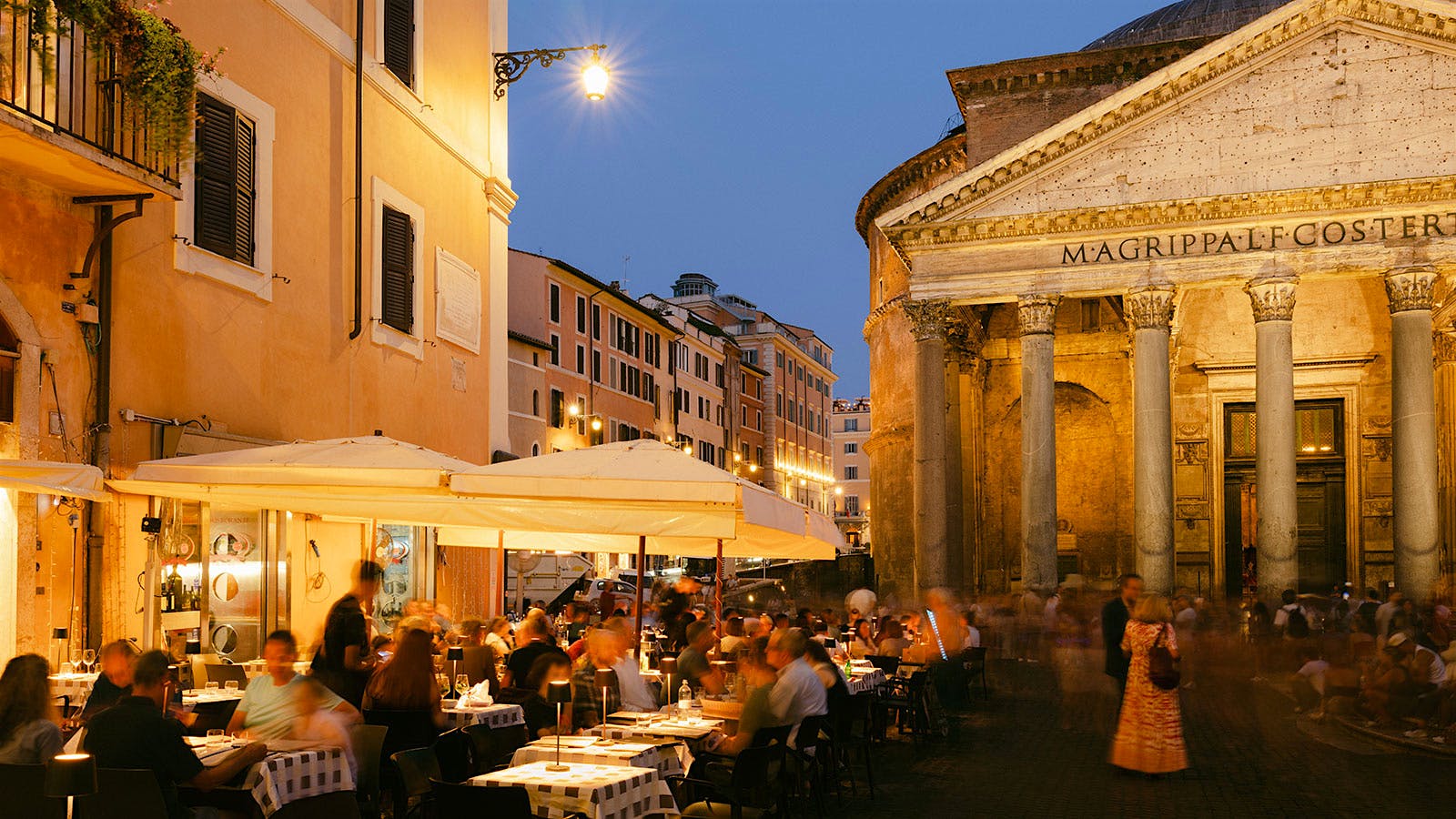
A popular Italian proverb says “L’Epifania tutte le feste porta via.” It means that Epiphany, aka Twelfth Night, marks the end of the long holiday celebrations that begin in early December.
In other words, it’s a return to normalcy following 30 days of celebration. Practically, that means a period of moderation until the potentially raucous, excessive days of Carnevale, after which comes the traditional austerity of Christian Lent. (The word Carnevale derives from the Latin for “take away the meat.”)
After a quarter century of living in Mediterranean Europe, these seasonal rhythms have become natural to me. They have, after all, survived centuries. Remember the Byrds recording of “Turn! Turn! Turn!” (aka “To Everything There Is a Season”) taken from the Hebrew Book of Ecclesiastes?
There is something to old wisdoms. I mean, who needs modern challenges like Dry January, fad diets and trendy vitamin cleanses when you have sayings like “Il vino è buono per chi lo sa bere,” which means, “Wine is good for those who know how to drink it.”
Sure, I am aware of the dangers of excessive drinking and the health benefits of temporary abstinence. But I also know that Mediterranean wine-producing countries like Italy and Spain have far lower rates of alcohol abuse and addiction than the U.S. and the north of Europe. Italians are generally models of moderation and consume far less alcohol on a daily basis, according to the World Health Organization.
Part of the reason is that wine is consumed as an integral part of the meal. As the proverb goes, “Il vino che si pasteggia non imbriaca,” or, “Wine at mealtimes doesn’t make you drunk.”
Preserving Wine on the Table
Speaking of mealtimes, Italy hit a milestone in early December when Italian cooking was inscribed in UNESCO’s Intangible Cultural Heritage of Humanity. The designation praised what it called “a communal activity that emphasizes intimacy with food, respect for ingredients, and shared moments around the table” and “a way of caring for oneself and others, expressing love, and rediscovering one’s cultural roots.”
Here’s to that! However, I do worry that such awards mask the underlying problems of the very thing being celebrated. Nowadays, Italy’s population is declining, families are shrinking, obesity is proliferating with new junk foods, and restaurants and other traditional artisan trades are having trouble attracting the young. We need to fight for the Italian way of life and invest in its future, not just applaud it.
The UNESCO campaign was promoted by Italian prime minister Giorgia Meloni and agricultural minister Francesco Lollobrigida, as well as Italy’s oldest culinary journal, La Cucina Italiana, founded in 1929.
The magazine’s founder, Umberto Notari (with his wife Delia Pavoni), was a visionary who penned the best book on wine that I read in 2025. Notari was a writer, publisher and futurist who wrote L’Arte di Bere (The Art of Drinking) in 1933. It was reissued in Italian last year by Edizioni Ampelos. (Disclosure: Ampelos published a translation of my book South of Somewhere in 2022.)
![The cover of the new edition of the Italian book L’Arte di Bere or The Art of Drinking.]](https://www.diningandcooking.com/wp-content/uploads/2026/01/rc-arte-di-bere-book-010626_1080.jpg)
The new edition of The Art of Drinking reveals a universal truth—that Italy’s wine is a part of its culture. (Courtesy of Ampelos)
The book is a novel of aristocrats and bourgeois swells talking about wine and society. It is partly a brilliant, witty essay on wine culture and also a time capsule of the Mussolini era, in the years before Il Duce drew Italy into the darkest moments of its history.
The protagonist, the Marquis Olinto Baglia, delineates a crisis in wine that in the first decades of the 20th century led to a steep reduction in Italian wine consumption and, in turn, a general gloominess—particularly among the middle and upper classes. “Instead of wine, the magnificent, healthy and joyful wine, [modern] man now drinks other things: beer, coffee, tea, mineral water, liquors and other concoctions,” he laments.
“Those who cultivate vines elevate humanity,” proclaims one of the female guests at the Marquis’ villa. “A wine producer who relentlessly seeks to his improve his product is no longer an industrialist or a merchant. He becomes an educator.”
Another young woman says her peers prefer cocktails to vino because “wine makes you fat.” A spirited debate between the women ensues. What’s astonishing is that so much of this could have been written today.
Interestingly, Notari did have an impact in the decades that followed. He and his friend the enologist, agricultural minister and senator Arturo Marescalchi laid the foundation for the Italian appellation system for quality wines born in 1963.
In my favorite provocative passage of Notari’s book, the Marquis attributes national character to each nation’s beverage of choice. He asserts that Mediterranean wine drinkers are the most balanced. “Especially the Italians and the French, who are the biggest consumers of wine and have a character of geniality, harmony and humanity.”
The Mediterranean diaspora, with its core obsession for food and wine, has spread through the world from Australia’s King Valley and Argentina’s Mendoza to Napa and Sonoma. All of these places have developed cultures beyond economics for their societies at large.
In recent years, we’ve talked lots about the technical balance of wines in our glasses. It’s time we start talking more about the balance and harmony of wine in our lives. Let’s start with the Italian proverb, “Anni, amori e bicchieri di vino, non se contano mai”: Years, loves and glasses of wine should never be counted.
Dining and Cooking