
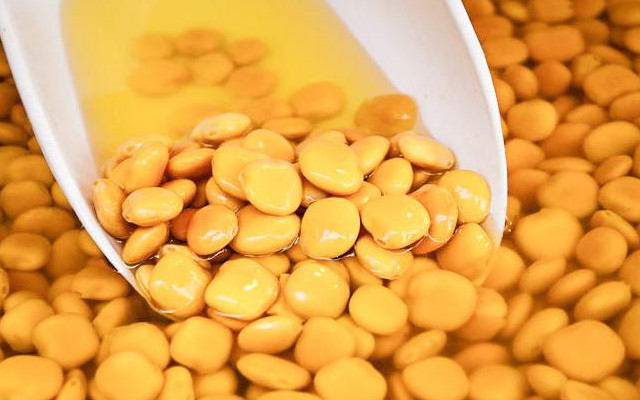
I Italian lupins are at the center of a renewed interest that unites historical tradition, agronomic sustainability e scientific innovationThis legume, deeply rooted in history and Italian biodiversity (with ecotypes preserved by custodian farmers), is today revalued for a nutritional profile that goes beyond conventional legumes.
The article analyses how lupins provide a notable contribution of proteins and fibres, but above all how they are an exceptional source of bioactive peptides (with hypoglycemic and antihypertensive properties). Their climatic resilience and ability to enrich the soil by fixing nitrogen they make them a strategic and sustainable ingredient for the Mediterranean diet and for the supply chains plant based e gluten-free the future.
History and popular traditions
The presence of lupin in the Mediterranean basin has been documented since ancient times. Egyptians, Greeks, and Romans appreciated its versatility: a nutritious food, a source of protein for livestock, a herbal remedy, and even a ritual symbol (Arnoldi & Greco, 2011). In classical Greece, lupin was considered a staple food for the lower classes and was consumed after prolonged maceration in salt water to eliminate the bitter taste of the alkaloids. Inancient Rome the techniques of were perfected debittering for the use of lupins both as food and as green manure, with empirical intuition on the plant’s properties to fix nitrogen in the soil.
In Middle Ages and until the 20th century, lupin prevailed in Italy, especially in the southern regions, such as popular food Because it’s economical, energetic, and filling. The traditional preparation of lupins required a long soaking in running water, followed by pickling in brine, to remove the seeds’ natural bitterness and impart flavor. This consumption method, still widespread today, transformed lupins into an accessible street food, often associated with celebrations and social gatherings.
Le popular traditions They also attributed symbolic values to the lupin. In some rural areas of Southern Italy, lupins were carried in pockets as a lucky charm or a symbol of abundance, while the plant’s ability to thrive in low-fertility soils made it a symbol of resilience in farming communities. In the regional culinary tradition, in addition to being consumed in brine, lupin was used in rustic soups and in poor bread making, where flour was mixed with wheat to enrich bread and fresh pasta with proteins, anticipating modern applications in the food industry by centuries.
Botanical characterization and seasonality
The genre Lupinus belongs to the Fabaceae family (like chickpeas, beans, broad beans and lentils) and includes several species widespread in Italy, including The white wolf, lupinus luteus e Lupinus angustifoliusLupin is an annual plant with deep roots that establish a symbiosis with nitrogen-fixing bacteria, thus helping improve soil fertility. Its leaves are palmate, its flowers are white or yellow depending on the species, and its pod contains oval seeds that, in traditional Italian varieties, can reach considerable size.
The growing cycle varies depending on the climate. Planting typically occurs in autumn or spring, with flowering between April and June and harvest between late June and August. Consumption can occur year-round thanks to the widespread use of pickled or dried lupins, while fresh lupins are typically available in the summer.
Terroir, agronomic practices and sustainability
Lupin cultivation in Italy is rooted mainly in Sicily, Puglia, Calabria, Basilicata, Campania, Lazio, Molise, Abruzzo, and Marche, regions where the plant has found a natural adaptation to sandy or slightly acidic soils and hot, arid climates. Italy is the custodian of a notable biodiversity lupiniera, with local ecotypes selected over the centuries to resist drought, reduce the content of bitter alkaloids, and ensure large seeds particularly suitable for processing. Varieties such as the ancient Sicilian types or the Apennine lupins today represent a genetic heritage of great value, the subject of cataloging, recovery, and conservation by universities, research centers, and networks. guardian farmers.
Lupin agronomy is naturally oriented towards sustainability. The nitrogen-fixing capacity significantly reduces the need for chemical fertilizers, contributing to the reduction of the environmental impact of agriculture. low water requirement and its resistance to difficult soil and climate conditions make it particularly suitable for organic farming. Furthermore, the inclusion of lupin in crop rotations with cereals It helps improve soil fertility, limiting the spread of pathogens and enriching agricultural biodiversity. Conservation programs for native varieties, particularly in Southern Italy, now aim to preserve this genetic wealth, also valorizing it as a resource for climate resilience (Lucas et al., 2015).
Nutritional properties and health benefits
Nutritional composition
Lupins are among the legumes richest in protein: protein content can exceed 40% of dry weight, with a profile of fundamental amino acids particularly useful for high biological value food formulations (Lucas et al., 2015). The main proteins are albumins and globulins, present in a 1:9 ratio, with globulins making up approximately 90% of the total protein content. The main globulin fractions include viicillins and legumins (α-conglutin and β-conglutin) and the minor proteins γ-conglutin and δ-conglutin, each with specific functional properties (Villarino et al., 2022).
Le fibers reach an average of 15-20% in whole seeds, with some studies reporting values of up to 30-50% in hulled seeds, of which the majority is represented by insoluble fiber (Raya-Pérez et al., 2022). I fats, equal to 9-12%, are mostly mono- and polyunsaturated, with a favorable ratio between omega-3 and omega-6 of about 1:2, particularly beneficial for cardiovascular health (Arnoldi & Greco, 2011). The content of minerals – including calcium, potassium, magnesium, iron, phosphorus and zinc – and vitamins of group B (folates), vitamin E and tocopherols further enriches the nutritional profile (Raya-Pérez et al., 2022).
Cardiovascular benefits
From a physiological point of view, lupins can help improve the cardiovascular health thanks to the favorable effects on plasma lipids. Clinical studies have indicated that regular consumption of foods enriched with lupin proteins is associated with a significant reduction of cholesterol total and LDL cholesterol (Belski et al., 2011). Proposed mechanisms include increased expression of LDL receptors and reduced activity of genes involved in cholesterol biosynthesis (Parolini et al., 2012).
A recent systematic review has highlighted that lupin consumption can promote beneficial effects on blood pressure, blood lipids, insulin sensitivity, and gut microbiota (Bryant et al., 2022). Lupin fiber, in particular, has demonstrated the ability to bind bile acids, increasing their fecal excretion and thus leading to a reduction in circulating cholesterol levels (Fechner et al., 2014).
Glycemic control and metabolic function
Lupin proteins show hypoglycemic properties noteworthy. γ-conglutin, in particular, has been shown to enhance the activity of insulin and metformin on cellular glucose consumption, suggesting a potential use in glycemic control (de Sandoval-Muñiz et al., 2018). Fibers exert a modulating effect on postprandial glycemia thanks to the low glycemic index of lupin and its ability to slow down the absorption of carbohydrates (Arnoldi & Greco, 2011).
Clinical studies have reported that lupin-enriched foods can improve insulin sensitivity and glycemic control in overweight individuals and patients with type 2 diabetes (Ward et al., 2020). Quinolizine alkaloids, present in small amounts in “sweet” varieties, particularly lupanine, can also enhance insulin release, contributing to the hypoglycemic effects (Raya-Pérez et al., 2022).
Bioactive peptides and functional properties
Lupin proteins are an exceptional source of bioactive peptides which are released during enzymatic digestion or fermentation. These peptides have been shown to have multiple biological assets, including antioxidant, anti-inflammatory, immunomodulatory, lipid-lowering, hypoglycemic, antihypertensive, osteoprotective and neuroprotective properties (Chakrabarti et al., 2021).
Peptides derived from lupin have shown excellent in vitro antioxidant capacity, with DPPH, ABTS and hydroxyl radical scavenging activity, as well as iron chelating properties (Kamran et al., 2023). Angiotensin-converting enzyme (ACE) inhibitory activity has been widely documented, with specific peptides showing potential antihypertensive effects comparable to those of synthetic drugs (Fadimu et al., 2022).
A particularly innovative aspect concerns deflamin, a polypeptide oligomer present in white lupin, which has demonstrated in animal models the ability to inhibit matrix metalloproteinases (MMPs), in particular MMP-9, with a reduction inintestinal inflammation associated with colitis, suggesting potential applications in the treatment of inflammatory bowel diseases (Mota et al., 2022).
Other possible health benefits
THEnatural absence of gluten makes lupins suitable for people with celiac disease or gluten intolerance. The content of L-arginine, a precursor of nitric oxide, may contribute to the vasodilatory effect and the beneficial effects on blood pressure (Arnoldi & Greco, 2011).
The presence of prebiotic oligosaccharides, such as raffinose and stachyose, can promote the growth of beneficial bacteria in the gut microbiota, contributing to digestive health. polyphenols, carotenoids and tocochromanols present in the seeds exert antioxidant and protective effects against oxidative stress (Raya-Pérez et al., 2022).
Traditional and innovative uses
Traditional uses
In Italian tradition, lupin beans are mainly eaten pickled, as a snack or appetizer, and in some local dishes, such as rustic soups. Lupin flour, widely used in rural breadmaking, was used to enrich the dough with protein and provide structure.
Innovative applications in the food industry
In recent years lupins have gained an important role in the innovative products and functional thanks to their nutritional properties, which meet the growing demand for vegetable proteins and gluten-free foods.
Gluten-free pasta and baked goodsBoth semi-finished products made from fermented, de-bittered lupin beans and lupin flour can be used to improve the protein profile of gluten-free pasta, baked goods, and bread mixes. Adding lupin flour in percentages ranging from 10 to 30% significantly increases the protein and fiber content while reducing carbohydrates.
Technological propertiesLupin proteins exhibit excellent emulsifying, gelling, foaming, and water-retaining properties, making them ideal for a wide range of applications (Duranti et al., 2008). Their water-absorbing capacity and protein-binding properties are particularly useful in the formulation of high-protein baked goods.
Plant-based meat substitutesThe high protein concentration and ability to provide structure to doughs make lupin a strategic ingredient in the production of plant-based meat substitutes. Studies have shown that it is possible to reduce the fat content in meat products by up to 37% by replacing it with lupin fiber, while maintaining acceptable sensory characteristics (Archer et al., 2004).
Plant-based drinks and dairy alternativesLupin proteins are used in the formulation of plant-based drinks, plant-based alternatives to yogurt and cheese, exploiting their emulsifying properties and ability to form stable gels.
Functional and nutraceutical productsLupin protein hydrolysates and isolated bioactive peptides find application in the nutraceutical and food supplement industries due to their multifunctional biological activity. Protein concentrates enriched in deflamin have been proposed as functional additives for foods intended for people with inflammatory bowel diseases (Mota et al., 2022).
Protein snacks and products for athletesLupin flour and flakes are incorporated into protein bars, breakfast cereals, granolas and high-protein snacks aimed at the sports and wellness market.
Emerging ApplicationsResearch is exploring the use of lupin peptides in the formation of self-assembling hydrogels with antioxidant properties, opening up prospects for the development of bio-inspired nano-nutraceuticals and functional materials (Pugliese et al., 2021).
Tips for foodies and importers
For food lovers it is advisable to orient yourself towards organic Italian lupins, to support supply chains that are most committed to protecting the environment and health. Choosing products with lower salt content can improve the consumer experience.
For importers of Made in Italy food, it is essential to evaluate suppliers who guarantee traceability and organic certification. Italian varieties have strong appeal in gourmet markets and can offer added value in gluten-free and high-protein formulations. It is important to verify that the quinolizine alkaloid content meets international safety thresholds (≤ 0,2 g/kg DM for sweet varieties).
The Eurobursar GIFT – Great Italian Food Trade, thanks to its technical and regulatory experience in the Italian agri-food supply chain, can support international buyers in identifying reliable suppliers and verifying product compliance with European and international standards.
Conclusions
Italian lupins represent a virtuous encounter between tradition, biodiversity, sustainability agronomic and innovation food. From street food more popular up to modern products plant based, lupin continues to be a valuable ingredient for the Mediterranean diet and a strategic ally in the transition to more sustainable food systems. The wealth of native varieties and Italy’s role in their conservation make this legume not only a healthy food but also a highly valuable agricultural resource for the future. Scientific evidence accumulated in recent years confirms the potential of lupins and their derivatives as functional ingredients for the development of innovative foods with proven benefits for human health.
Dario Dongo
References
Archer, B. J., Johnson, S. K., Devereux, H. M., & Baxter, A. L. (2004). Effect of fat replacement by inulin or lupine-kernel fiber on sausage patty acceptability, post-meal perceptions of satiety and food intake in men. British Journal of Nutrition, 91 (4), 591–599. https://doi.org/10.1079/BJN20031088
Belski, R., Mori, T. A., Puddey, I. B., Sipsas, S., Woodman, R. J., Ackland, T. R., Beilin, L. J., Dove, E. R., Carlyon, N. B., Jayaseena, V., & Hodgson, J. M. (2011). Effects of lupine-enriched foods on body composition and cardiovascular disease risk factors: A 12-month randomized controlled weight loss trial. International Journal of Obesity, 35 (6), 810–819. https://doi.org/10.1038/ijo.2010.213
Chakrabarti, S., Guha, S., & Majumder, K. (2021). Lupine-derived bioactive peptides: Intestinal transport, bioavailability and health benefits. Nutrients, 13 (9), 3266. https://doi.org/10.3390/nu13093266
de Sandoval-Muñiz, RJ, Vargas-Guerrero, B., Guzmán, TJ, Martínez-Ayala, AL, García-López, PM, Del Socorro Pina-Canseco, M., & Gurrola-Díaz, CM (2018). Lupin gamma conglutin protein: Effect on Slc2a2, Gck, and Pdx-1 gene expression and GLUT2 levels in diabetic rats. Brazilian Journal of Pharmacognosy, 28 (6), 716–723. https://doi.org/10.1016/j.bjp.2018.08.002
Duranti, M., Consonni, A., Magni, C., Sessa, F., & Scarafoni, A. (2008). The major proteins of lupine seed: Characterization and molecular properties for use as functional and nutraceutical ingredients. Trends in Food Science & Technology, 19 (12), 624–633. https://doi.org/10.1016/j.tifs.2008.07.002
Fadimu, G. J., Gan, C.-Y., Olalere, O. A., Farahnaky, A., Gill, H., & Truong, T. (2023). Novel antihypertensive peptides from lupine protein hydrolysate: An in-silico identification and molecular docking studies. Food Chemistry, 407, 135082. https://doi.org/10.1016/j.foodchem.2022.135082
Fechner, A., Kiehntopf, M., & Jahreis, G. (2014). The formation of short-chain fatty acids is positively associated with the blood lipid-lowering effect of lupine kernel fiber in moderately hypercholesterolemic adults. Journal of Nutrition, 144 (5), 599–607. https://doi.org/10.3945/jn.113.186858
Kamran, F., Phillips, M., Harman, D. G., & Reddy, N. (2023). Antioxidant activities of lupine (Lupinus angustifolius) protein hydrolysates and their potential for nutraceutical and functional foods. Food Chemistry Advances, 2, 100297. https://doi.org/10.1016/j.focha.2023.100297
Lucas, M. M., Stoddard, F. L., Annicchiarico, P., Frías, J., Martínez-Villaluenga, C., Sussmann, D., Duranti, M., Seger, A., Zander, P. M., & Pueyo, J. J. (2015). The future of lupine as a protein crop in Europe. Frontiers in Plant Science, 6, 705. https://doi.org/10.3389/fpls.2015.00705
Mota, J., Casimiro, S., Fernandes, J., Hartmann, R.M., Schemitt, E., Picada, J., Costa, L., Marroni, N., Raymundo, A., Lima, A., & Ferreira, R.B. (2022). Lupine protein concentrate as a novel functional food additive that can reduce colitis-induced inflammation and oxidative stress. Nutrients, 14 (10), 2102. https://doi.org/10.3390/nu14102102
Parolini, C., Rigamonti, E., Marchesi, M., Busnelli, M., Cinquanta, P., Manzini, S., Sirtori, C.R., & Chiesa, G. (2012). Cholesterol-lowering effect of dietary Lupinus angustifolius proteins in adult rats through regulation of genes involved in cholesterol homeostasis. Food Chemistry, 132 (3), 1475–1479. https://doi.org/10.1016/j.foodchem.2011.12.004
Pugliese, R., Arnoldi, A., & Lammi, C. (2021). Nanostructure, Self-Assembly, Mechanical Properties, and Antioxidant Activity of a Lupine-Derived Peptide Hydrogel. biomedicines, 9(3), 294. https://doi.org/10.3390/biomedicines903029
Raya-Pérez, J. C., Aguirre-Mancilla, C. L., Ramírez-Pimentel, J. G., Covarrubias-Prieto, J., & Estrada-Luna, A. A. (2022). Lupine (The white wolf L.) seeds: Balancing the good and the bad and addressing future challenges. Molecules, 27 (23), 8557. https://doi.org/10.3390/molecules27238557
Villarino, C. B. J., Jayasena, V., Coorey, R., Chakrabarti-Bell, S., & Johnson, S. K. (2022). Lupine (Lupinus spp.) proteins: Characteristics, safety and food applications. European Food Research and Technology, 248 (2), 345–367. https://doi.org/10.1007/s00217-021-03909-5
Ward, N., Mori, T., Beilin, L., Johnson, S., Williams, C., Gan, S.-K., Puddey, I., Woodman, R., Phillips, M., Mattock, E., & Hodgson, J. M. (2020). The effect of regular consumption of lupine-containing foods on glycemic control and blood pressure in people with type 2 diabetes mellitus. Food & Function, 11(1), 741–747. https://doi.org/10.1039/C9FO01778J

Dario Dongo, lawyer and journalist, PhD in international food law, founder of WIISE (FARE – GIFT – Food Times) and Égalité.
Dining and Cooking