
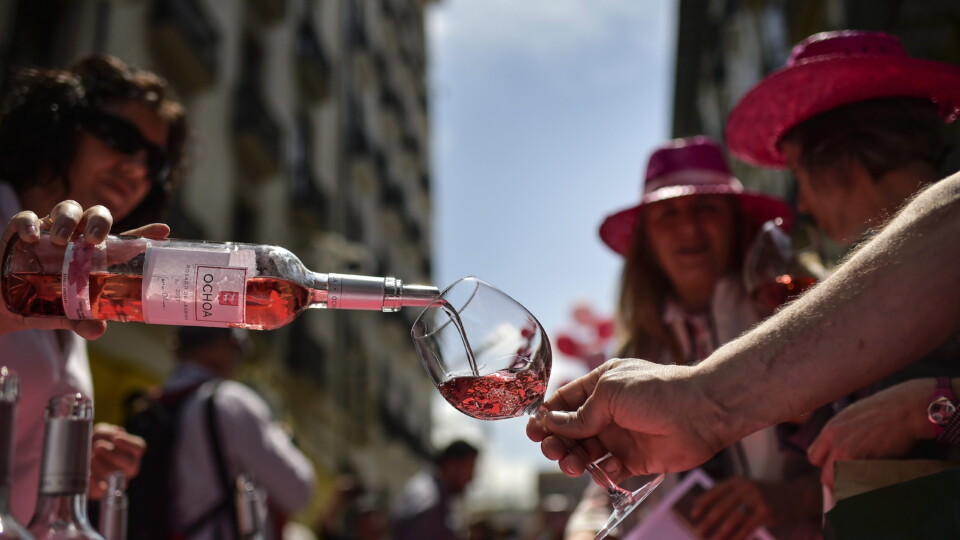
Happy January! It’s the coldest month of the year, and the most depressing; it’s perfect for dissolving marriages that were kept together for one last Christmas, or declaring bankruptcy upon the arrival of December’s VISA bill. You could sweat out your sorrows, except that your favourite gym class is overbooked, and let’s not even mention what’s in the news in only the first days of this year.
To add insult to injury, this is the month that we are encouraged to shun the conviviality that comes from sharing a bottle of wine at the table. I’m not going to re-prosecute “Dry January,” a trademarked campaign designed by a U.K. prohibitionist group. Long-time readers of this column will know that I advocate, instead, Damp January.
It’s sensible that after the excesses of the holidays, the corkscrew should be left in the drawer on more evenings than usual this month. We all need to rest, reset, and refresh ourselves from time to time. But just because we choose to limit our physical consumption of wine doesn’t mean we can’t limitlessly dream about it.
Since my hands are both stained with Cabernet Sauvignon and (metaphorical) ink, I spend some of my January wino downtime sipping sparkling water and thinking about what wines to focus on in this new year. While there is always room for extemporaneous discovery, it helps to have a plan to navigate the near infinite possibilities of grape variety, wine region, and wine style that make up this fascinating world. Here are a few lines of inquiry that I intend to pursue in 2026.

Spain
For the more than 20 years that I have been writing professionally about wine, I have continually 1) been impressed with the quality and breadth of Spanish wines; 2) swore I would find out more about them; and 3) been distracted by wines from places I am more familiar with. I still have to really think about whether Mencia or Bierzo is the name of the grape or the region in the Northwestern part of the country. (Bierzo is the region, and Mencia is the grape.)
Spain is a big country with a diversity of grapes and landscapes they’re grown in that rivals France. Spain is often ranked the world’s biggest producer of wine, vying for the title from year to year with Italy. Yet, with the possible exceptions of Rioja and Sherry, in North America, Spanish wines are not nearly as well known as those of its neighbours.
Continue reading
As the author navigates “Damp January,” he looks ahead to wines to watch in 2026. He highlights Spain’s maturing wine industry, offering quality and diversity beyond Rioja and Sherry, with many interesting bottles in the $15-$30 range.
Chile’s wine scene is also experiencing an explosion, with a new generation of winemakers focusing on lighter styles and mavericks pushing boundaries, reminiscent of South Africa’s rise.
The article also touches on wine-based spirits like Pisco, Cognac, and Armagnac, suggesting a renewed interest in traditional digestifs.
Dining and Cooking