
To begin the groundwork for our latest Viewpoint feature, The future of Australian wine is here today and here to stay, we both interviewed 13 industry leaders and conducted a tasting panel and discussion of 50+ samples submitted in response to a callout for ‘new-age’ wine.
While the overarching takeaways from the panel tasting were highlighted in Drinks Trade Summer, we have decided to publish the results from each bracket of the tasting separately as a digital series, starting with part one: Spritzes.
The top performers: Squealing Pig Squealini Fuzzy Peach (best overall)Scarborough Vermentino Spritz (highest point score)
Ready-to-drink wine-based spritzes were by far the closest bracket of the tasting, with Chill Bill Spritz Red, Brown Brothers Yuzu Lemon Prosecco, and Scarborough Rosé Spritz all strong contenders and scored comparatively to the two wines listed above. However, after lengthy discussion it was Squealini Fuzzy Peach by Treasury Wine Estates that stood out as the most likely to exceed in market.
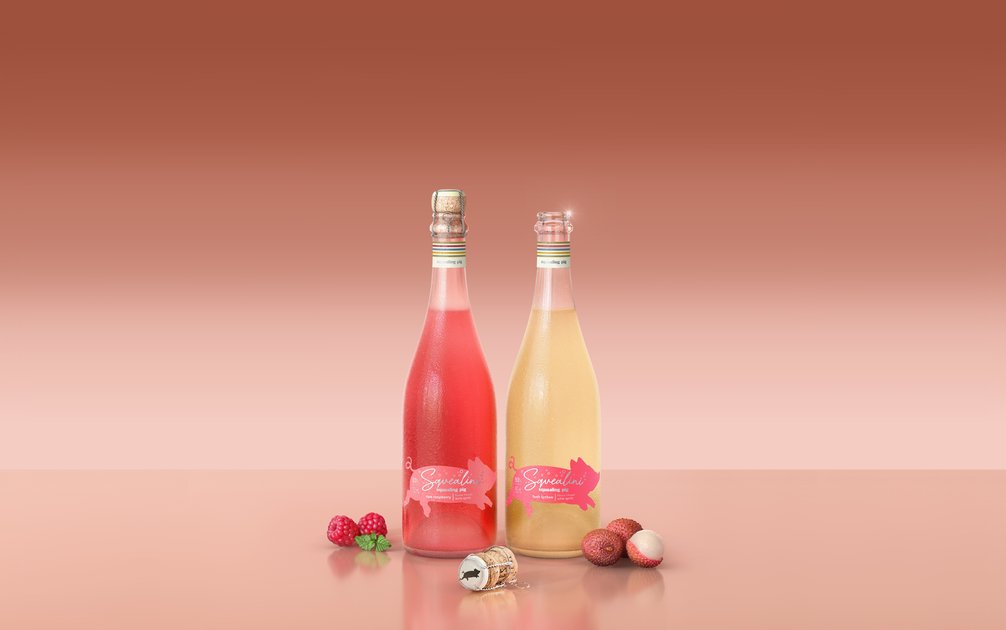
[Editors note – the tasting was planned and the sample-callout issued just prior to the launch of new Squealini flavours Ripe Raspberry and Lush Lychee, meaning these were not included]
During the panel discussion, Master of Wine student and Director of My Wine Adviser Kasia Sobiesak commended it on its fun packaging and true-to-description peachy flavour that is “easy on the palate [and] finishing in a cleansing way.” She also noted it unique cloudy appearance; but, “given the younger demographic is keen on unfiltered beverages, this should be fine,” she adds.
Anastasia Savkova, owner of Wine Symfonia and wine and spirits educator at Wine Intuition, also commended Squealini on its “authentic, not artificial” flavour with its “sweetness well-balanced by freshness.”
She also expects that “cocktail fans will enjoy it.”
This naturally leads to what was the key topic of discussion for the bracket:
Will spritz recruit into wine?
For Brian Chase Olson, founder of Blend Public Relations and co-chair of WCA’s NSW chapter, the answer isn’t clear yet, and may vary depending on branding. “I just don’t see the push from here to wine,” he said. “Maybe from a Brown Brothers perspective, because it’s their own brand, they may push somebody into their Proseccos and then push somebody into something else.”
Kasia agreed, adding that, importantly, their shared shelf space in store may also help to drive recruitment into wine.
Vying for the best overall title in the panel was Scarborough’s Vermentino Spritz, which also stood out as the closest option to traditional wine.
As the category grows, having more ‘wine-like’ spritz options could act as the missing link between spritz and traditional wine on shelves.
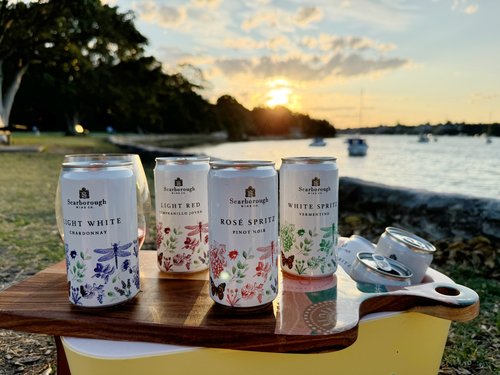
Anastasia also flagged Scarborough’s canned format as a potential recruitment opportunity, as, “being dry, sugar-reduced, people who normally would buy cans might actually slowly switch into the wine.” But more on this in the upcoming Format article of this series.
This comment also touches on another aspect of the spritz category potentially at odds with modern drinking trends: sugar.
“If we go back to the theme of this tasting, ‘new-age’ wine, how much do you want to promote the sugar?” says Kasia. “In our lives these days, we look to lower the calories and the sugar – and especially that kind of ‘in your face’ version … To me, it’s a similar argument to the bottle weight: if we’re moving towards certain things and like a healthier society, why do we pack so much sugar here?”
Should spritzes be promoted as wine?
How clearly spritzes are associated with their parent brands and companies varies significantly supplier to supplier.
For the arguable category leader Zonzo Estate, its spritz brands are kept deliberately distant from its wine portfolio.
At first glance TWE’s Squealini also appears distinct from its Squealing Pig parent, but the links are there in both front-label design and wording.
For Brown Brothers, the branding clearly ties the product to not just its wines but to the Prosecco base with which it is made, while the bright yellow colour scheme asserting its difference.
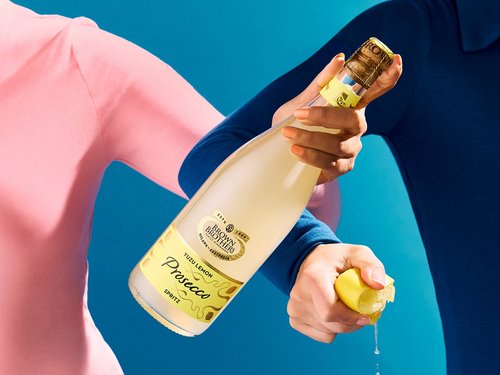
Brown Brothers Prosecco Yuzu Lemon Spritz was launched in September
The panel concluded that each of the above approaches has its own strengths and will be suited to different business types, target markets, and end goals.
The variation also indicates that, broadly speaking, producers believe consumers are viewing and purchasing this category differently, and that developing a reputation for spritz could impact a brand’s positioning in other wine categories.
Tied into this, however, is an important positive takeaway for the category and the reason we should be happy about its ongoing momentum: The popularity of spritzes has given Australian wine a significant revenue boost at a much needed point in time.
//
Also planned for this digital series is a look at the other four categories involved in the Drinks Trade ‘New-Age Wine’ Tasting Panel: Format, ABV, Flavoured, and ‘Everything Else’.
Dining and Cooking