
Key Points
Extra-virgin olive oil stands out for its health benefits because minimal processing preserves its anti-inflammatory antioxidants.Regular olive oil consumption supports heart, brain, and gut health by reducing inflammation and oxidative stress.One to two tablespoons daily is enough to deliver benefits, especially when olive oil is used to replace saturated fats.
Thanks to the many health benefits of olive oil, the ingredient is often touted as a superfood. It also doesn’t hurt that olive oil, especially high-quality extra-virgin olive oil, is both flavorful and versatile. In fact, it’s one of the healthy foods Martha eats regularly. And, beyond using it for salad dressings and cooking, people are adding olive oil to ice cream and using it in baked goods. To find out more about the pantry staple, we spoke to nutrition experts to learn about the health benefits of olive oil, its nutritional profile, and how much you should consume for optimal impact.
What Is Olive Oil?
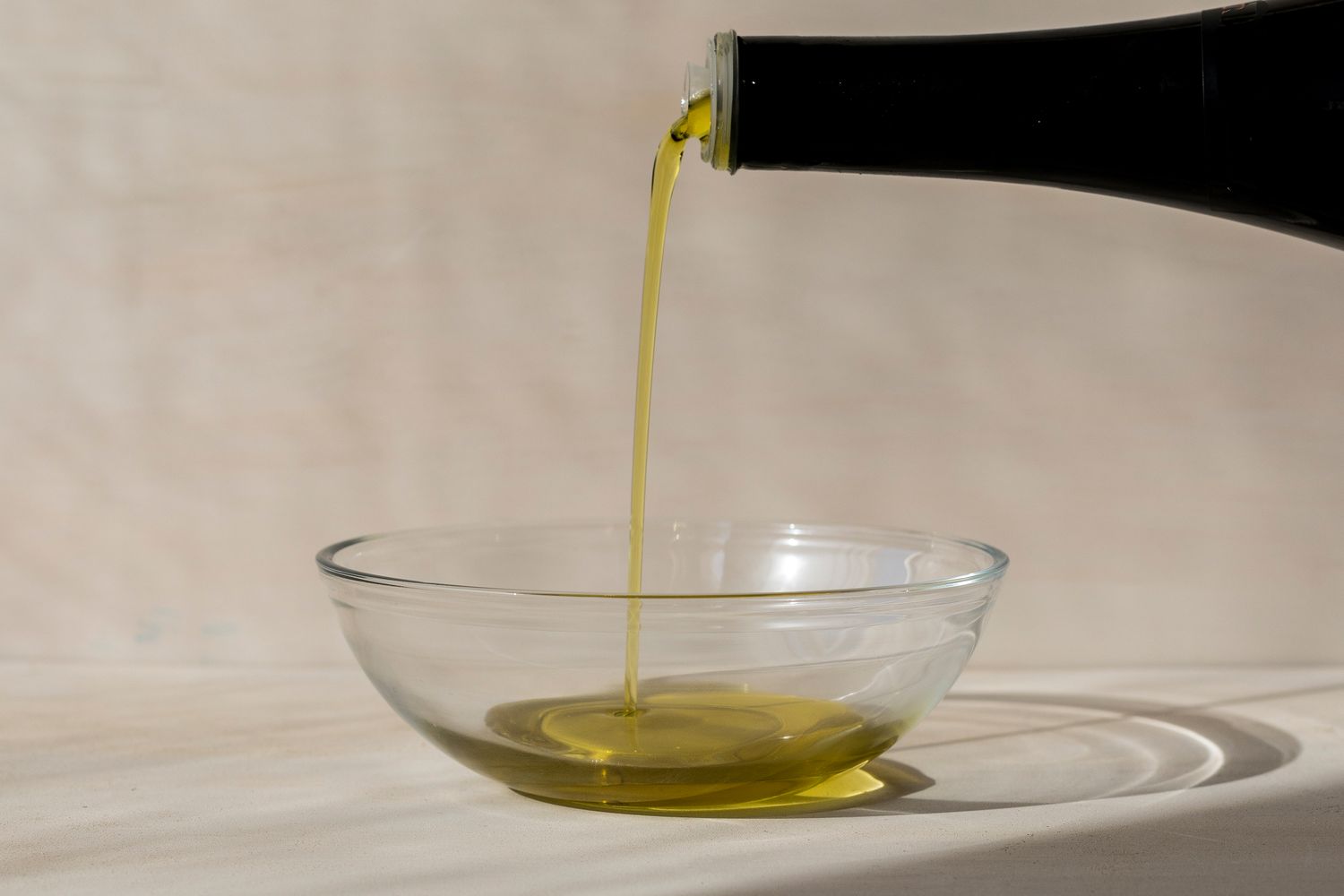
Olive oil is made by crushing olives and extracting their liquids. “Some oils are filtered for clarity and a longer shelf life, while others remain unfiltered for more flavor and may appear cloudy,” says Ashlee Bobrick, MS, RDN, LD, registered dietitian nutritionist at The Ohio State University Wexner Medical Center.
With that in mind, remember that all olive oils are not created equal. “Extra-virgin olive oil (EVOO) is minimally processed,” says Lauren Manaker, MS, RDN, LD, registered dietitian and founder of Nutrition Now Counseling. “It’s made by cold-pressing olives without heat or chemicals. This preserves its natural polyphenols and antioxidants, which are compounds that help reduce inflammation and protect your cells,” Manaker says. “Refined olive oils, on the other hand, go through more extensive processing, which may remove many of these beneficial compounds,” she says.
Olive Oil Nutrition Facts
Olive oil is rich in essential nutrients, including vitamin E, polyphenols, and carotenoids. These compounds are antioxidants, meaning they protect cells from oxidative stress and damage. But what makes olive oil so impressive is its fat content. “Olive oil is high in unsaturated fats, particularly monounsaturated fats like oleic acid,” says Manaker. Unsaturated fats, or “good” fats, are known for their potent anti-inflammatory properties, making them important for supporting overall health and longevity.
Health Benefits of Olive Oil
Here’s what regularly consuming olive oil can do for the body, as explained by dietitians.
Supports Heart Health
“The monounsaturated fats in olive oil help improve cholesterol levels by lowering LDL (bad cholesterol) and increasing HDL (good cholesterol),” says Manaker. “They also reduce inflammation and support the elasticity of blood vessels, which promotes healthy blood flow. Additionally, olive oil contains antioxidants like polyphenols and vitamin E, which protect the heart by reducing oxidative stress,” Manaker says.
Reduces Inflammation
Inflammation is a major driver of many chronic conditions, but eating anti-inflammatory foods like olive oil can help. Olive oil, especially extra-virgin olive oil, contains nutrients and compounds that reduce inflammation, says Bobrick. This includes oleic acid, polyphenols, vitamin E, and phytosterols, she says. (Phytosterols are plant compounds similar to cholesterol.) “Polyphenols also calm existing inflammation by blocking enzymes, acting during inflammation, and reducing symptoms such as pain, swelling, and irritation,” says Bobrick.
Lowers Oxidative Stress
Similarly, olive oil can help stave off disease by fighting oxidative stress. A quick refresher: Oxidative stress is a type of damage caused by an accumulation of harmful molecules. It can lead to health conditions like cancer, brain and nervous system conditions (like Alzheimer’s or Parkinson’s disease), inflammatory and autoimmune disease (like rheumatoid arthritis and arthritis), heart disease, and aging-related conditions, such as skin aging and muscle weakness, says Bobrick. However, as antioxidants, the polyphenols in olive oil can neutralize those harmful molecules, thereby reducing oxidative stress and disease risk.
Benefits Brain Function
Regularly consuming olive oil is good for your brain, too. “Olive oil contains vitamin E and polyphenols, both of which support brain health,” says Manaker. “Vitamin E is an antioxidant that protects brain cells from damage caused by oxidative stress, while polyphenols help reduce inflammation in the brain,” Manaker says. These effects protect the brain, especially as you age, ultimately protecting your cognitive function. In fact, some research has found that consuming olive oil can reduce the risk of neurodegenerative disorders like Alzheimer’s disease.
Helps Gut Health
Though not often considered a popular gut food, olive oil (especially extra-virgin olive oil) has surprising benefits for digestion. This is due to the polyphenols and healthy fat content, according to Bobrick. “The nutrients help by feeding the good gut bacteria, protecting the gut lining, reducing inflammation, and improving digestion,” says Bobrick. What’s more, these effects also support brain health, as the gut and brain are connected through a network of nerves called the gut-brain axis.
How Much to Consume
“A good daily intake of olive oil is about one to two tablespoons,” says Manaker. This amount can be easily incorporated into meals, she says. There’s no need to take shots of olive oil, a trend currently circulating on social media. “It’s not necessary to drink it straight. Adding it to your meals is just as effective and often more enjoyable,” says Manaker.
How to Use Olive Oil
For optimal results, approach olive oil as a replacement for saturated fats, like butter and ghee, rather than an add-on. “Olive oil is calorie-dense, so substituting it for these fats, instead of adding it to meals that already include them, helps manage calorie intake and may help prevent weight gain,” says Bobrick.
Additionally, replacing saturated fats with olive oil can help lower LDL cholesterol and raise HDL cholesterol, according to Bobrick. For example, you can use olive oil on vegetables instead of both butter and oil, or use an olive oil-based dressing instead of a creamy dressing and oil drizzle, says Bobrick.
Looking for more ways to incorporate olive oil into your daily meals? Take a tip from Manaker and drizzle it over salads or mix it into dips. Ideas include hummus or eggplant dip. You can also use olive oil (yes, even extra-virgin olive oil) for cooking, as it’s stable when heated. The key is to use high-quality, pure extra-virgin olive oil, as well as a product that’s fresh and properly stored.
Dining and Cooking