
by Francesca Gambin and Roberta Ruggeri
Aipo Economic Office
After the analysis of production costs and the reports of unfair practices, it remains to be understood how the price of extra virgin olive oil reflects not only market dynamics, but also cultural and identity valuesIt’s not just about numbers; behind every bottle lie agricultural choices, rising production costs, and a supply chain struggling to maintain a balance between economic sustainability and consumer-perceived quality.
The dynamics of pricesIn fact, it moves on multiple tracks. in this Italian oil mills, the oils packaged and intended for direct sale, the average value varies between 12 and 18 euros per litre, with peaks exceeding 20 euros.
 In supermarkets extra virgin, blends of EU and non-EU oils, are found on the shelves in a wider range, between 4,80 and 9,00 euros, on the other the 100% Italian territorial lines which are between 14 and 16 euros per liter. This is where economies of scale come into play and marketing strategies, which now cover 80% of sales, but at the same time reduce the perception of the product to a logic of volume and standardization.
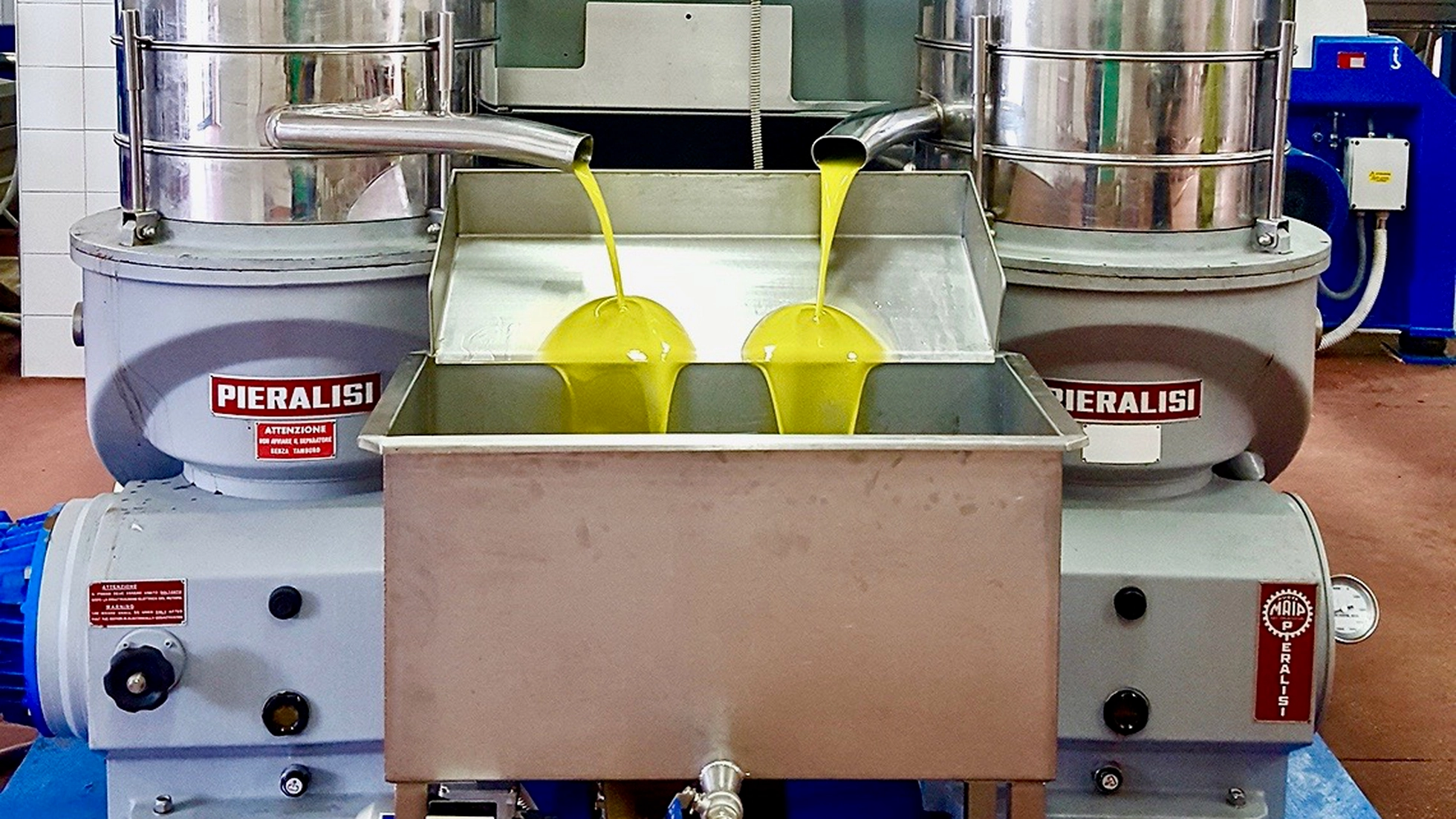
At the mill, or through direct sales from olive oil producers, purchasing begins first with tasting the product and ensuring its traceability and freshness.
The crucial question is whether the recent wholesale decline will translate into lower consumer prices.
Large-scale distribution tends to maintain a certain stability so as not to disorientate the consumer, but if the decline were to consolidate it is plausible to expect a repositioning in the medium range by the end of 2025 or in the first months of 2026, with Italian oils sold between 7 and 9 euros per litre.
The real cost of production, however, remains a structural constraint. In 2025, the The price of olives varies between 70 and 130 euros per quintal, with average yields between 12,5% and 16%. This means that the only cost of raw materials to obtain a liter of oil oscillates between 4,80 and 6,30 euros, to which must be added milling, bottling, logistics and certifications. The overall industrial cost therefore exceeds 6 euros/litre, with peaks close to 7,50 euros In the least favorable cases. Considering a 30% gross margin for distribution, the minimum sustainable shelf price is between €7,80 and €9,80/liter.
Alongside the oil mills and large bottlers, the role of the small packagers, who sell their oil directly. In this segment, price isn’t just an economic variable, but a reflection of perceived and shared value: authenticity, transparency, direct relationship.
These are oils with a distinctive identity, capable of describing a territory and maintaining a strong bond between producers and consumers.
It is a parallel supply chain that escapes speculative logic and which, precisely for this reason, deserves to be valorized.
The real question, then, is not only “How much does oil cost?”, But “which oil do we want to buy”: a standardized extra virgin, the result of large volumes and promotions, or a fresh, fragrant and long-lasting extra virgin, which supports local producers and brings the history of a territory to the consumer.
The price of extra virgin olive oil is not a simple market figure, but the reflection of a complex supply chain.
Making informed choices means recognizing that behind every liter of water lies work, climate risks, investments, and a cultural heritage worth protecting.
Dining and Cooking