
Brussels – The most prized oil may not actually be oil. For bottles of extra virgin olive oil, the attention and efforts devoted to combating adulteration and contamination may well prove insufficient. The European Court of Auditors has issued a warning about one of the key products of the Mediterranean diet dear to Italy and “Made in Italy”: there are still “shortcomings in the European Union’s olive oil control systems” which, according to the Luxembourg auditors, could “jeopardise the quality, safety, and traceability of production.”
The special report dedicated to the olive oil market paints a contrasting picture. On the one hand, checks to detect the presence of pesticide residues in olive oil from EU countries “are well established and cases of non-compliance are rarely found.” On the other hand, however, checks for other contaminants “are not uniform and the risk-based rationale is not always documented.” This is the case with oil blends, according to the members of the Court of Auditors, who state that the information needed to determine whether a product is pure “is not sufficiently accurate”.
Progress and countermeasures are also needed regarding origin and provenance. “The level of traceability monitoring varies from one Member State to another,” the report notes. In a nutshell, Joëlle Elvinger, head of oil market analysis, concludes, “although the EU has strict rules, these are not always fully enforced.” It follows that “improving controls, traceability and legal clarity is essential to protect not only consumers but also the reputation of European olive oil.”
Imported extra virgin olive oil, FdI asks for clarification on “suspicious” prices. Brussels: “No investigation”
Italy, land of oil and good practices
In the European Union, Italy stands out for its scrupulous attention and controls. In terms of origin labelling, EU Member States such as Spain and Italy are cited for “checks at all stages of the supply chain” (including industry, retail, imports, and exports). The two countries in question “have electronic registers to record every movement of olives or olive oil,” with the aim of increasing transparency and reducing the risk of fraud. Furthermore, in Italy, the police conduct “numerous on-site inspections and specific checks” to protect quality and authenticity.
The Italian anti-fraud system is celebrated in a special paragraph of the report, which notes that in 2021, the Italian authorities set up a think tank on the olive oil sector, assisted by the Italian Institute for Agricultural and Food Market Services (ISMEA), which meets annually to discuss risk factors and critical issues in light of the latest economic situation in the sector.
In addition to the specific control body for the agri-food sector and the Customs Agency, there are three law enforcement authorities with investigative powers (the Carabinieri, the Guardia di Finanza, and the Port Authority – Coast Guard) that conduct checks on olive oil. Furthermore, “in Italy, many inspectors receive training in organoleptic evaluation and are members of official tasting panels,” which allows them to take “more targeted” action on (higher-risk) olive oils during sampling during inspections.
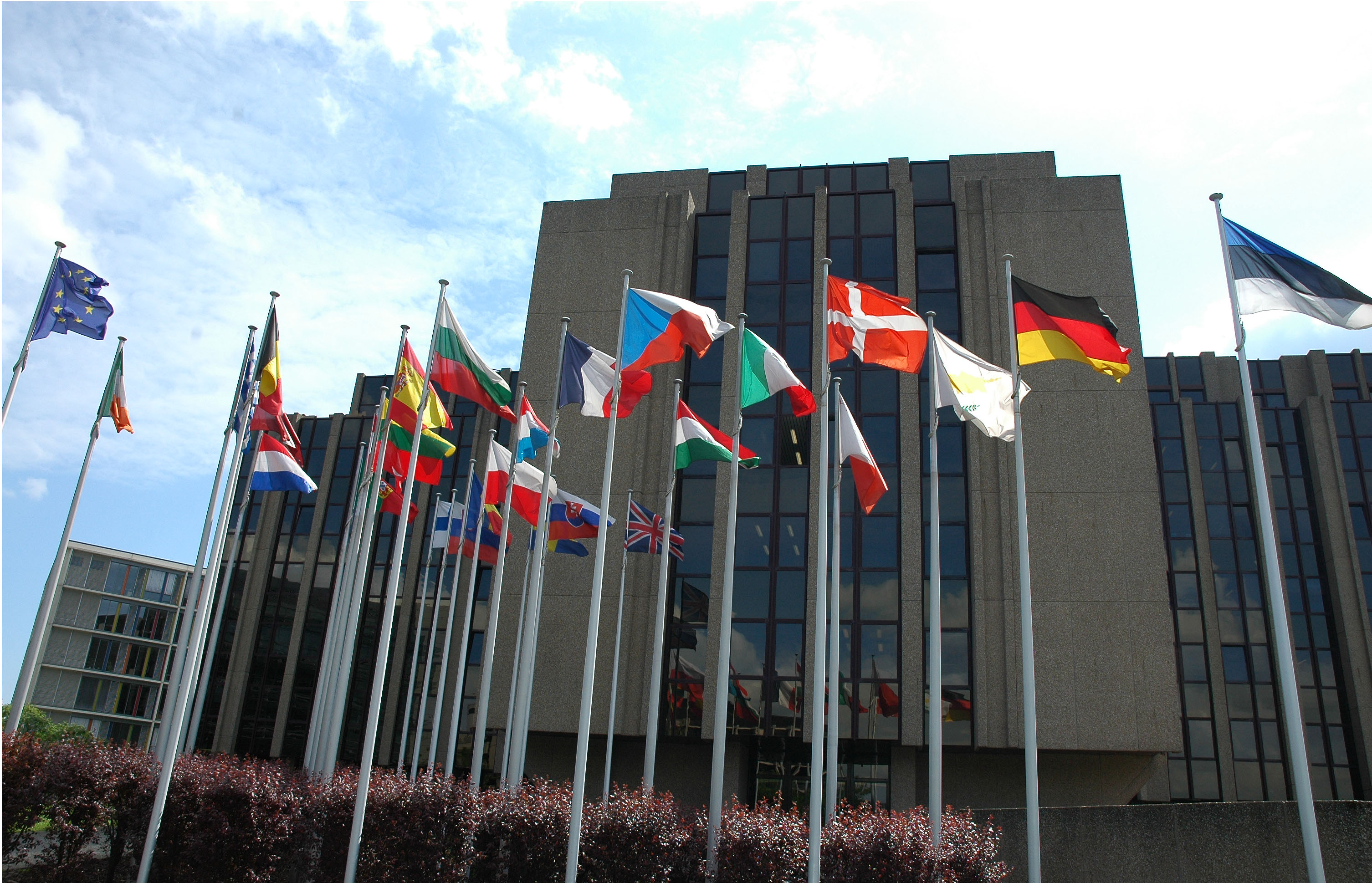 The headquarters of the European Court of Auditors in Luxembourg
However, there is a catch: “Italy does not carry out a risk analysis for the ‘fats and oils’ category or for olive oil specifically,” criticises the European Court of Auditors. This is because the annual number of samples is set by law and “is not updated on the basis of a risk analysis”.
The EU Commission prepares measures
Brussels has taken note of the report, and measures are already being announced. The European Commission has stated that guidance will be provided on EU legislation on marketing standards for blending categories and will assess with Member States how to adapt EU legislation on the blending of oils from different harvest years.
With regard to controls on contaminants in olive oil, the Commission will ask Member States to provide more details on such controls when they submit their annual control programmes. “The selection of contaminants, foods, and the frequency of controls must be better justified,” sources within the EU executive have revealed.
English version by the Translation Service of Withub
Dining and Cooking