
Your support helps us to tell the story
From reproductive rights to climate change to Big Tech, The Independent is on the ground when the story is developing. Whether it’s investigating the financials of Elon Musk’s pro-Trump PAC or producing our latest documentary, ‘The A Word’, which shines a light on the American women fighting for reproductive rights, we know how important it is to parse out the facts from the messaging.
At such a critical moment in US history, we need reporters on the ground. Your donation allows us to keep sending journalists to speak to both sides of the story.
The Independent is trusted by Americans across the entire political spectrum. And unlike many other quality news outlets, we choose not to lock Americans out of our reporting and analysis with paywalls. We believe quality journalism should be available to everyone, paid for by those who can afford it.
Your support makes all the difference.Read more
Italians began exploring a varied diet sometime between the 7th and 6th centuries BC, according to a new analysis of ancient teeth from Iron Age Italians.
Unravelling details about the lifestyles of ancient cultures is a challenging task, as it requires specific, well-preserved fossils of long-deceased individuals.
Fossil human teeth are an excellent resource to understand ancient diets, acting as archives of each individual’s life history.
However, collecting information from teeth across different eras remains a challenge.
In the new study, researchers combined multiple analyses of teeth remains from the Italian archaeological site of Pontocagnano to interpret the health and diet of people in the region during the 7th and 6th centuries BC.
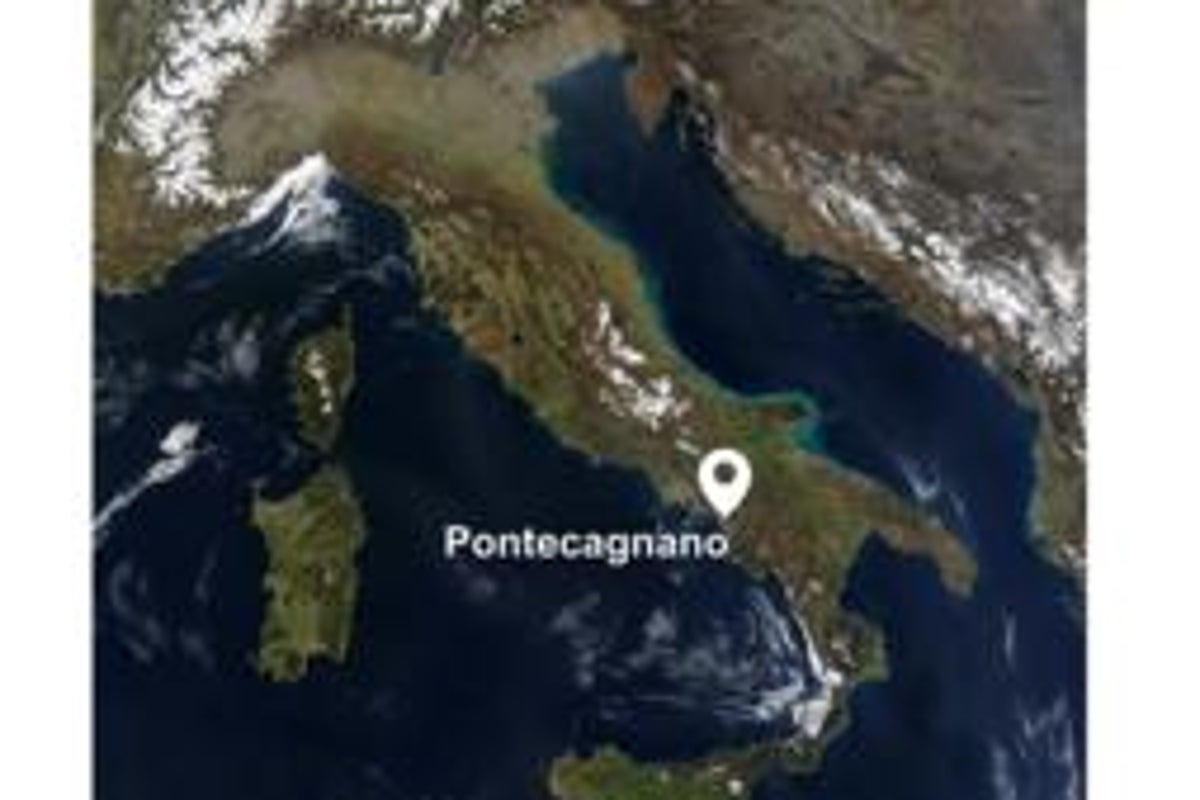
-Location-of-Pontecagnano-from-Nasa;-B)-Dental-sample;-C)-Images-of-two-sampled-teeth-with-matched.jpeg) A) Location of Pontecagnano from Nasa; B) Dental sample; C) Images of two sampled teeth with matched stress; D) Microscopic images of the remains extracted from dental calculus (Germano et al., 2026, PLOS One)
A) Location of Pontecagnano from Nasa; B) Dental sample; C) Images of two sampled teeth with matched stress; D) Microscopic images of the remains extracted from dental calculus (Germano et al., 2026, PLOS One)
Scientists assessed the dental tissue of 30 teeth from 10 individuals, obtaining data from canine and molar teeth to reconstruct each ancient person’s history during the first six years of their lives.
Researchers found that the Iron Age Italians had a diet rich in cereals, legumes, abundant carbohydrates, and even fermented foods and drinks.
“We could follow childhood growth and health with remarkable precision and identify traces of cereals, legumes, and fermented foods in adulthood, revealing how this community adapted to environmental and social challenges,” said Roberto Germano, an author of the study published in the journal PLOS.
“In the case of Pontocagnano, the analysis of dental calculus revealed starch granules from cereals and legumes, yeast spores, and plant fibres, providing a very concrete picture of the diet and some daily activities of these Iron Age communities,” said Emanuela Cristiani, another author of the study.
The findings offer strong evidence of this ancient Italian population regularly consuming fermented foods and beverages, researchers say.
Their diets likely diversified at the time as their contact with Mediterranean cultures increased, researchers say.
Scientists also observed signs of stress in the teeth at about one and four years of age in the Iron Age Italians.
These could be periods when the children were most likely to be exposed to disease, they suspect.
While the study may not be completely representative of the broader Italian population, it provides a “very concrete picture” of the diet and some daily activities of Iron Age communities in the Italian region, researchers say.
“This and other modern approaches represent a major technological and disciplinary advancement that is revolutionising the study of the biocultural adaptations of past populations,” said Alessia Nava, another author of the study from Sapienza University of Rome.
Dining and Cooking