
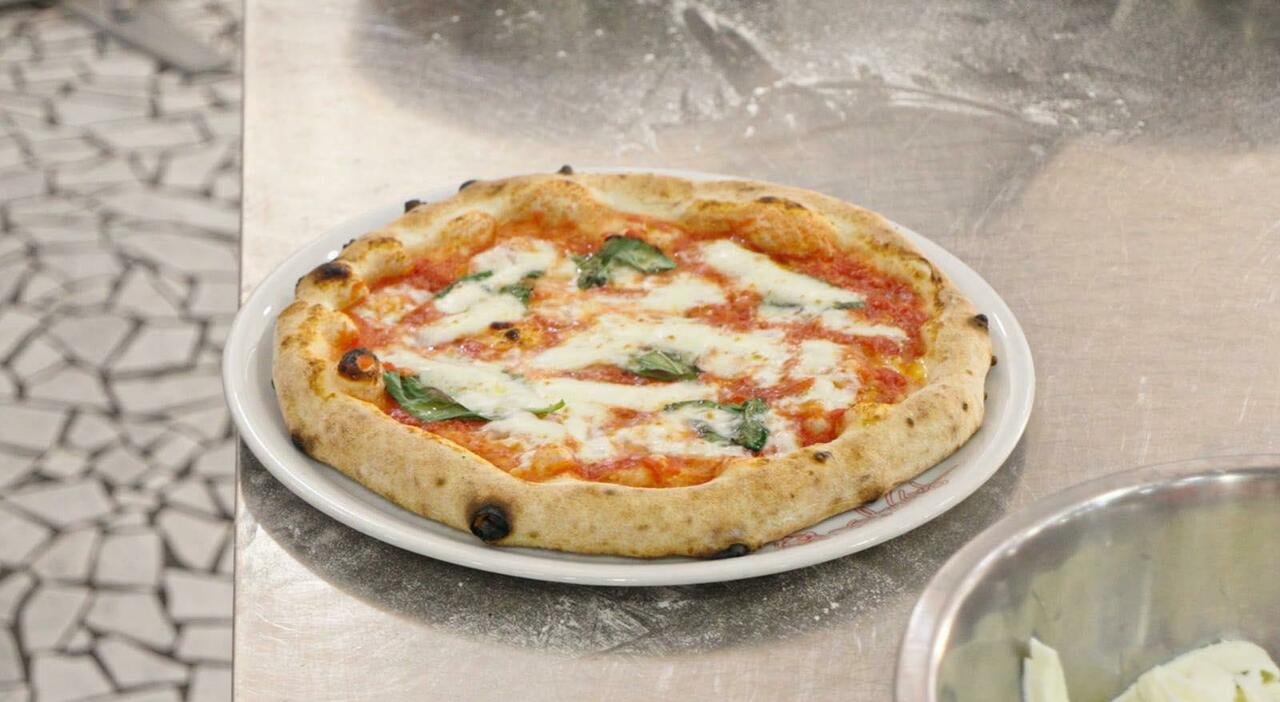
The socio-economic observatory of Neapolitan Pizza, established by the University of Naples ‘Parthenope’ with the Department of Human and Social Sciences, cultural heritage of the National Research Council (Cnr-Dsu), the True Neapolitan Pizza Association (Avpn), and Fipe Confcommercio Region Campania, officially presented the results of the first year of activity in Rome, at the Cnr headquarters. The meeting offered a detailed snapshot of a sector in Italy worth 15 billion euros a year, with more than 50,000 pizzerias (Fipe data), over 300,000 employees, and over 8 million pizzas baked every day. This survey was conducted through questionnaires (101 respondents) and online data collection on 250 activities and 254 locations nationwide affiliated with Avpn and, therefore, adhering to a set of standards, resulting in the use of similar products across the board. From the collected data, a clear geography of the price of Neapolitan Margherita Pizza emerges. The national average cost is 7.04 euros, but with territorial differences: 6.74 in Naples, 6.72 in the South, 7.46 in the Center, and 7.66 in the North. The analysis allowed the calculation of the Neapolitan Margherita Pizza Index (Ipnm), which measures the percentage variation compared to the price in Naples: 99.68 in the South, 110.63 in the Center, and particularly 113.70 in the North. Despite record increases in the cost of ingredients, particularly mozzarella and oil, the price of margherita pizza in the last year has seen only a slight increase, confirming a product that remains a bastion of democratic cuisine. Specifically, the price increased from 0.01 to 0.50 euros for 31.30% of respondents, from 0.51 to 1 euro for 22.90%, from 1.01 to 1.50 for 11.50%, while no increases were recorded for 14.60%, confirming the product’s accessibility. The observatory also dedicated a specific section to the role of women in the pizza sector. While female presence is strong in ownership (38.5%) and room management (50.5%), the profession of female pizza makers remains an exception (only 2%). The data suggest that the transmission of artisanal knowledge, within a context still predominantly family-run (74.3% of businesses) and male-dominated, represents a significant barrier on which the observatory is conducting an in-depth analysis.
© ALL RIGHTS RESERVED
This article is automatically translated
Dining and Cooking